
Plexiglass Polishing Compound: What You Are Actually Buying, and How to Tell
"Plexiglass polishing compound" is a search that assumes the product is a single thing. It is not — plexiglass is a trade name, not a polymer specification, and the same label is used for products that behave differently on the same part.
This page is about buying: what the label does and does not tell you, the three questions that narrow it, and how to check what you were sent before you run a batch.
(The judging side — what a compound has to do on a transparent part, and how to tell the four kinds of "haze" apart — is on the perspex compound page.)
What the label tells you, and what it does not
It tells you: the product is intended for acrylic-type transparent plastics rather than for metal.
It does not tell you:
| What you need to know | What the label says |
|---|---|
| Which polymer — PMMA, polycarbonate, polystyrene or acetate | "plexiglass" — a trade name that covers acrylic, and is used loosely for all clear plastics |
| Which process — a wet charge, or bench contact work | Nothing |
| Which form — a liquid to meter in, or a solid bar for a wheel | Nothing on most listings |
| What it leaves behind | Nothing — and on a transparent part this is the thing that matters |
The consequence is practical: two products both labelled "plexiglass polishing compound" can be a liquid for a vibratory charge and a solid bar for a cloth wheel. Those are not substitutes for each other, and neither is better — they belong to different processes.
The three questions that settle it
Ask these before ordering, and the label stops mattering:
1. Which polymer, by name?
Acrylic (PMMA, sold as perspex, plexiglass, plexiglas, 有机玻璃), polycarbonate, polystyrene and acetate are different polymers. They tolerate different chemistry and different heat.
What to say: not "for plexiglass", but the actual material — a PMMA sheet, a polycarbonate window, an acetate frame. A supplier who does not ask this question is selling by label.
Why it matters most on polycarbonate: PC is more sensitive to some chemistries and to stress than PMMA, and a product formulated for acrylic is not automatically right for it. On a part where the two are confused, the failure is a haze that looks like a polishing fault.
2. What process, and therefore what form?
| Your process | What you need | What it looks like |
|---|---|---|
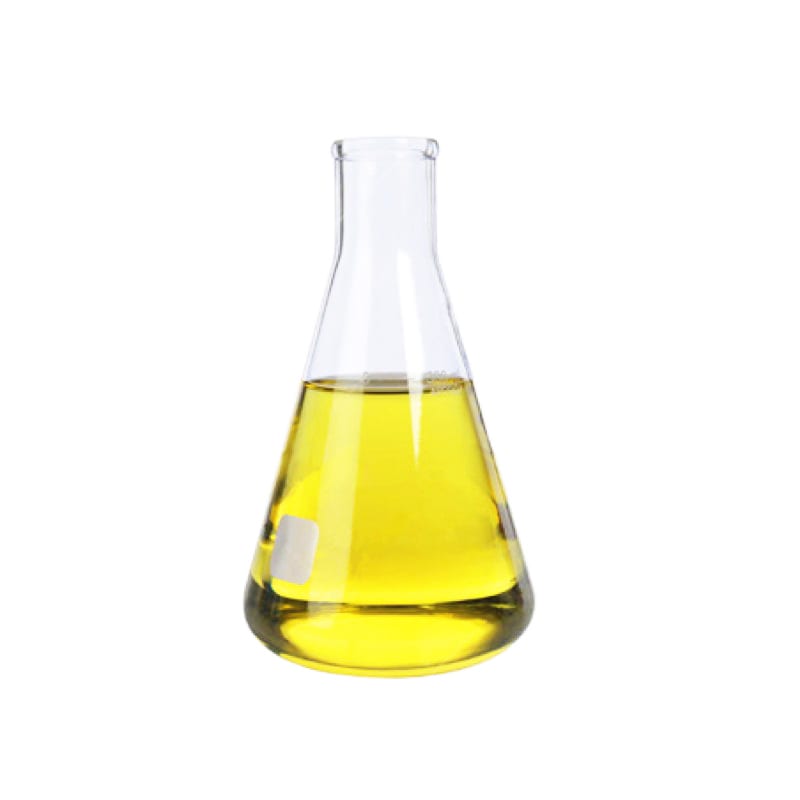
| Wet machine (vibratory, barrel, centrifugal) | A liquid that meters into the charge and rinses clean | A drum or barrel |
| Bench / wheel contact work | A solid bar picked up by a cloth wheel | A bar or stick |
| Dry machine (walnut shell, corn cob, dry plastic body) | Often no compound at all, or a dry additive | Dry media, no liquid |
This is where most mistaken purchases happen. A buyer searching "plexiglass polishing compound" for a bench buff is looking for a bar; a buyer searching it for a vibratory bowl is looking for a liquid. The words are identical and the products are not.
What we publish is the liquid side — compounds metered into a machine. A shop that needs a bar for bench work is buying a different product from a different supplier, and that is a fact worth knowing before the order rather than after.
3. What has to be true of the part afterwards?
Three different requirements, three different products:
- Clarity — the part is looked through; a residue is a defect.
- A matte or satin finish — the part must scatter light evenly; a polishing compound produces the opposite.
- A coating or print to follow — the surface has to be clean of anything that would lift a coating.
Ask the supplier what the product leaves behind, not what it removes. On transparent plastics the residue question is the one that decides acceptance.
How to check what you were sent
Four checks that cost a scrap part and an afternoon:
1. Run a scrap part of the same polymer. Not a different plastic, not a test coupon of unknown grade. A colour or clarity shift within the cycle is the signal.
2. Check the rinse. Rinse the part as your process would, dry it as your process would, and look at it under the light it will be judged under. A bloom that appears after drying was in a scratch, not on the surface.
3. Check the media size against the part. If a loose charge is used, media should never be larger than about one third of the smallest feature — on a frame that is the screw hole, and it points at the finer end of the ceramic band (roughly 3 to 10 mm) or a plastic body in the 10 to 25 mm range. A charge sized for a bigger part will mark a small transparent one.
4. Check for heat. Touch the part and the bath at the end of the cycle. Warm is normal; hot is a product or a dose problem, and on acrylic heat damage is permanent.
5. Compare a first-off against the second batch. Clarity drifts as a charge wears: media life runs 20 to 200 operating hours, and the signal is a result that takes about 20% longer for the same appearance. If the second batch needs a longer cycle to look the same, the charge — not the compound — is the variable.
6. Compare against a boundary sample. If the customer judges clarity by eye, the sample is the specification. A roughness number does not capture "reads clear".
The consumption and the pack scale. A compound is bought by the barrel, and the running cost is per part rather than per drum. The fluids in our range ship at 20 kg barrel scale, the drums at 50 kg, and the figure to ask a supplier for is consumption per batch — not price per drum. On a cycle that runs 2 to 8 hours for a brighten, a small consumption difference per hour becomes the dominant number.
What our range actually covers
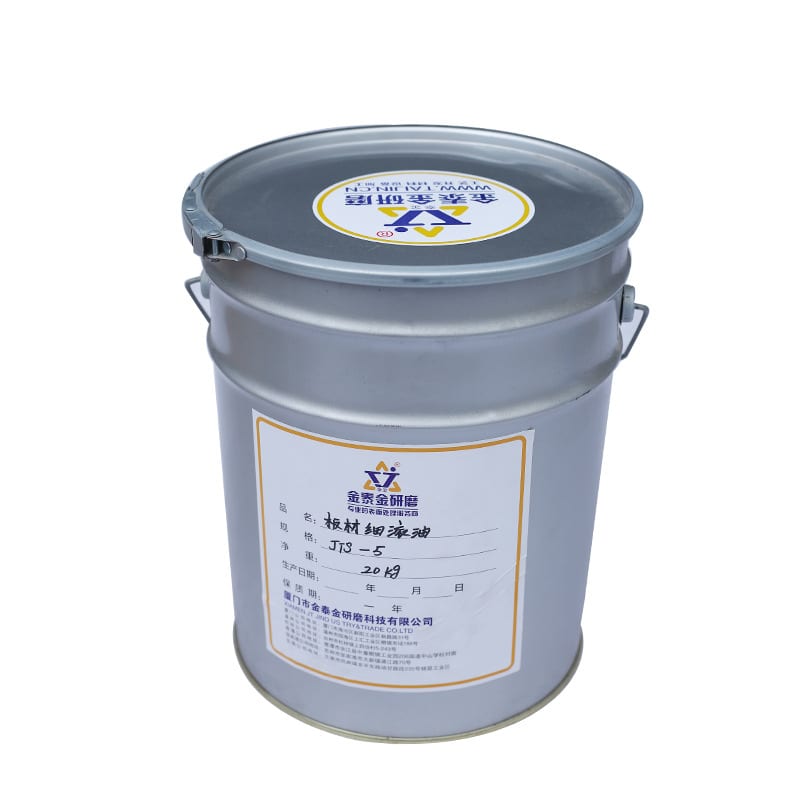
The transparent-plastic products in our range are specified by polymer and process, and the fluid for acetate is the one on the catalogue at 20 kg barrel scale.
What we will not do is sell a "plexiglass" product by name, because the name is not a specification. The question we ask instead is the same three above — which polymer, which process, what the part must be afterwards — and the product is confirmed against your part and a sample.
That is slower than picking a product off a shelf with a familiar word on it. It is also the only way to avoid the purchase that fails at the rinse.
Where a compound will not be the answer
The part is hazy from heat. Once acrylic or polycarbonate has stress-crazed, no compound restores it. The fix is upstream: lower energy, shorter cycle, better lubrication.
The part has a scratch deeper than the stage can reach. On a transparent part there is nothing to hide the line behind. It goes back a stage or it is rejected.
The part is to be matte. A polishing compound produces clarity; a matte requirement is a different consumable and often a different process.
The part is assembled or has an insert. A wet process traps liquid at the joint, and the residue appears where it cannot be wiped.
The part is a different polymer than the label implies. Polycarbonate run on an acrylic compound is the common version of this, and the failure is a haze that reads as a polishing fault.
FAQ
Is plexiglass the same as acrylic? Yes — plexiglass (also spelled plexiglas) is a trade name for acrylic, PMMA. The same material is sold as perspex, acrylic and 有机玻璃. It is not the same as polycarbonate, polystyrene or acetate, and a product specified for one is not automatically right for another.
Is plexiglass polishing compound the same as perspex polishing compound? The names refer to the same material, so the products overlap — but a label using either name does not specify the polymer or the process. What decides the product is which plastic you actually run, whether the process is wet or dry, and what the part must look like afterwards.
What form should I buy? Depends on the process, not on the material. A wet machine takes a liquid metered into the charge; bench or wheel work takes a solid bar; a dry process may need no compound at all. Buying the wrong form is the most common mistake on this search.
Can I use a metal polishing compound on plexiglass? Not safely. A compound formulated for metal is often too alkaline or too aggressive for acrylic, and the failure is a white haze rather than a scratch. It reads as a polishing fault and is a chemistry problem.
How much do I need per batch? That is a consumption question, and it is answered by the part area and the cycle rather than by a rule of thumb. Ask for it as a consumption per batch and per part, and check it against a trial — the number is the running cost.
Do you sell a plexiglass compound? We specify the transparent-plastic products in our range by polymer and process rather than by trade name, and the acetate fluid is on the catalogue at 20 kg barrel scale. What we will not do is quote a product by the word "plexiglass", because the word does not tell us which plastic you are running.
Max Xu, Sales — Xiamen Jin Tai Jin Grinding Technology Co.,Ltd.
No. 31, Xinchang Road, Xinyang Industrial Zone, Haicang District, Xiamen
info@surface-polish.com
This article is about how a compound for transparent plastics is specified and bought; it is not a claim about any specific part's achievable result and we do not publish formulations. A finishing process is set by the material, the stock to be removed and the finish required, so the compound for a specific part is confirmed against a trial on that part. We manufacture finishing equipment and the media and compounds that run in it; we do not offer a job-shop finishing service.
 +86-592-2381506


 IPv6 network supported
