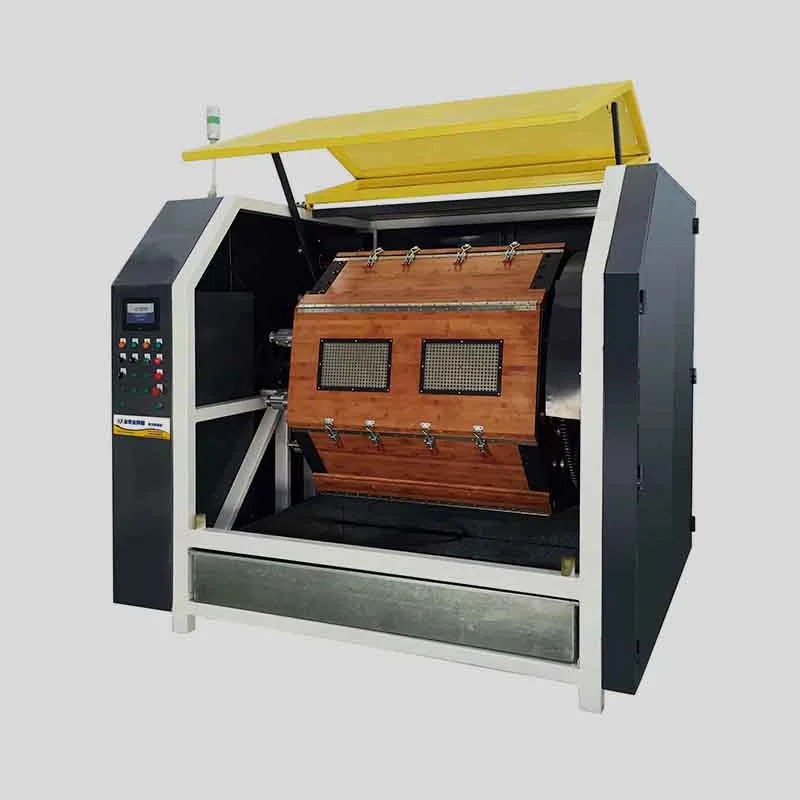
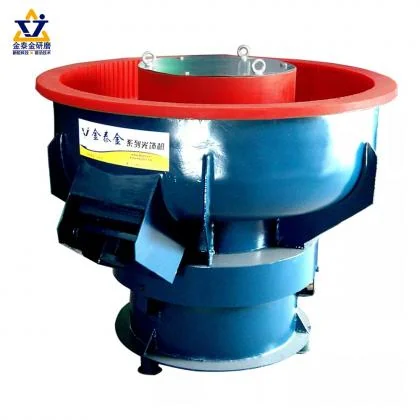
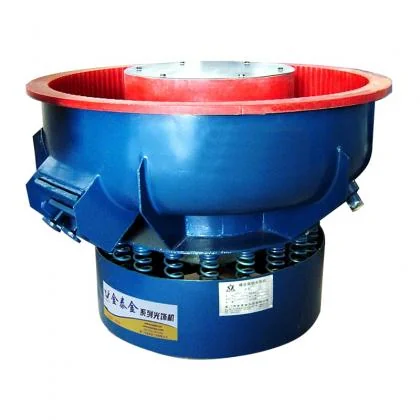
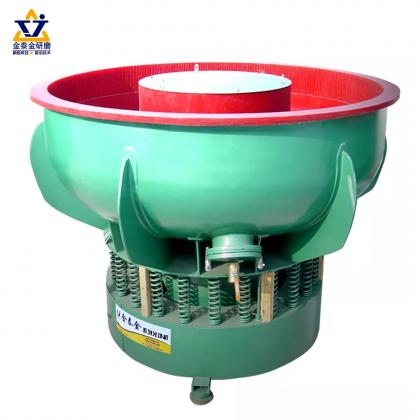
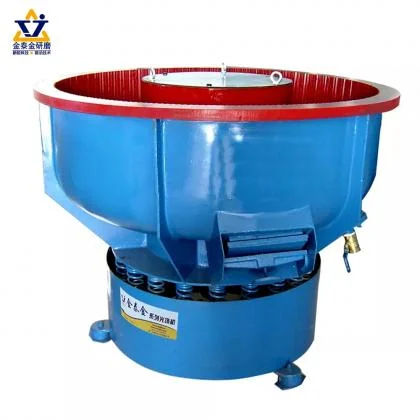
Introducing the OBD-CJG480 Hanging Tool Rolling Barrel Polishing Machine: The Perfect Solution for High-Quality Polishing
When it comes to achieving high-quality polishing results, the OBD-CJG480 Hanging Tool Rolling Barrel Polishing Machine is an excellent choice. This machine is designed to efficiently polish a wide range of materials and is ideal for use in industries such as metalworking, jewelry-making, and automotive manufacturing.
One of the standout features of the OBD-CJG480 is its carrying capacity of 480, which allows for larger batches of materials to be polished at once. The machine also boasts a robust motor with 5.2 kW of power, providing the horsepower needed for consistent and reliable performance.
Safety is always a top priority, and the OBD-CJG480 is designed with several safety features to ensure smooth operation. The machine's roller speed ranges from 0 to 50 r/min, while the hanger speed ranges from 0 to 80 r/min. This ensures that the machine can accommodate various materials and provide precise polishing at different speeds.
The OBD-CJG480 Hanging Tool Rolling Barrel Polishing Machine is also incredibly versatile, capable of handling materials with a thickness of up to 25mm. This means that users can polish a wide range of materials, from delicate jewelry pieces to heavy-duty metal components.
It's worth noting that the machine's net weight of 850 kg means that it is best suited for use in industrial settings with the appropriate space and infrastructure. However, with its powerful motor and precise controls, it's sure to be a valuable asset to any manufacturing operation.
In conclusion, the OBD-CJG480 Hanging Tool Rolling Barrel Polishing Machine is a versatile, reliable, and efficient tool for achieving high-quality polishing results. With its advanced features and emphasis on safety, it's an investment that will pay off for years to come.
At Jintai Jin Grinding and Polishing Company, we believe in providing our clients with the best possible service. We offer free samples to our clients to perform polishing tests, allowing them to see the quality of our machines before they purchase. We also provide excellent customer support, and our team is always available to answer any questions or concerns our clients may have.
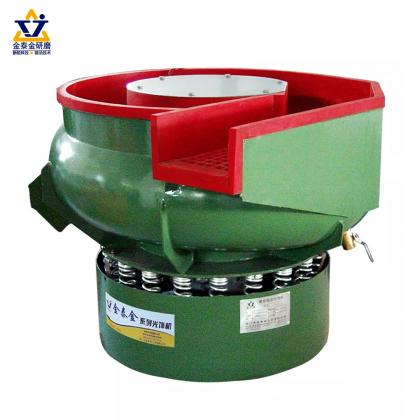
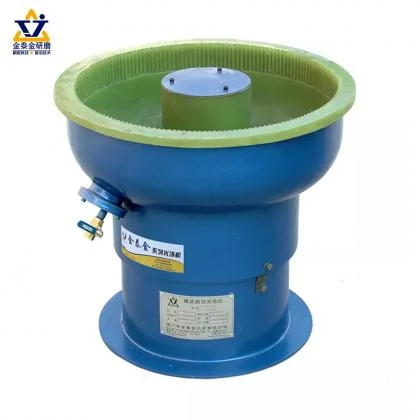
If you're looking for a reliable and efficient solution for polishing metal parts, consider a drum centrifugal polishing machine from Jintai Jin Grinding and Polishing Company.
You can reach us by email at sales@jingseyewear.com, by phone at +86-592-2381506, or by visiting our official website at https://www.surface-polish.com/. Our headquarters are located at:
No.31 Xinchang Road,
Xinyang Industrial Zone,
Haicang District,
Xiamen, China.
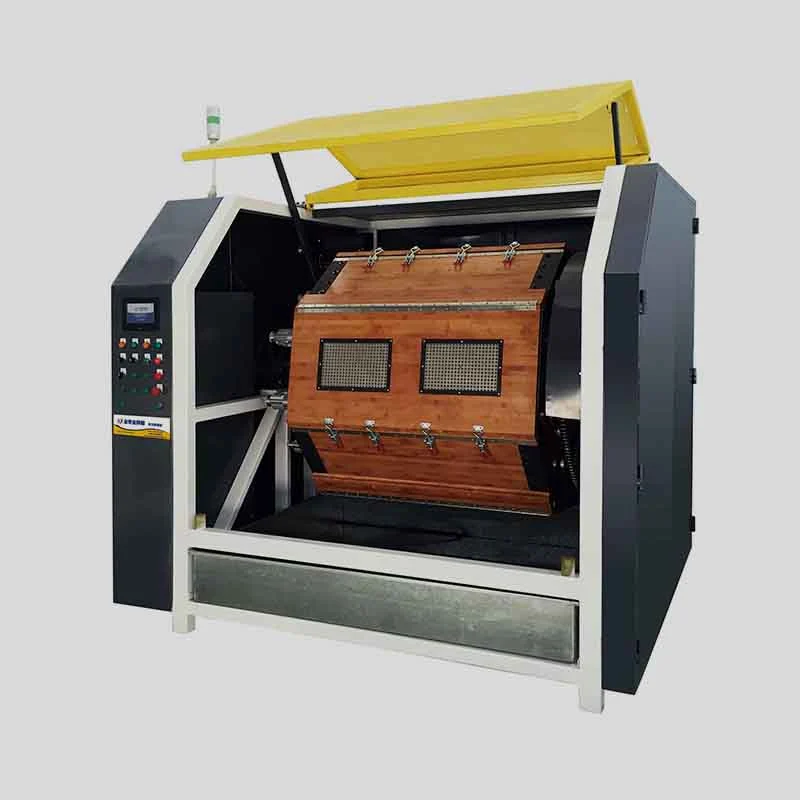
| Setup decision | What it affects | What to check |
|---|---|---|
| Whether parts hang or tumble | How the part is presented to the media | The feature that actually needs working |
| Rotation speed | How much action reaches the surface | Whether edges are rounding faster than intended |
| Media choice | Which surfaces are contacted | Whether recesses and internal forms are reached |
| Compound and flow | Whether the charge stays clean and active | Water clarity and the surface after drying |
| Load and fixture arrangement | Consistency between parts in one run | Whether results differ across the batch |
| Cycle time | How much material is removed | Establish on a sample and hold it constant |
Directions to test on a representative sample, not validated results for a specific component.
In a conventional barrel, parts are loose in the charge and their position is decided by the tumbling itself. A hanging arrangement changes that: parts are held in a defined position while the barrel rotates around them. That gives direct control over the presentation of the part to the media, and it removes the part-on-part contact that a loose charge produces.
The control is the main reason to use this arrangement. Where a specific surface has to receive a controlled amount of work while another surface is protected, holding the part is a way to make that happen. It also suits parts that are too delicate or too valuable to be tumbled loose alongside others.
The trade-off is that throughput depends on how many parts the fixture can carry, and the fixture itself has to be designed for the part. A hanging process is therefore better suited to work where the result matters more than the cycle time.
Rotation speed decides how much work reaches the surface per unit of time, and it is the first thing to establish on a sample. With a high-speed barrel the consequences of over-running appear quickly, so the cycle is normally kept as short as the surface requirement allows.
Media choice still follows the same rule as any other process: the size has to suit the features that must be reached, and the grade has to suit the surface the part may lose. Where the hanging arrangement is used specifically to protect a surface, the media is chosen to reach the working surfaces without contacting the protected one.
Water and compound control complete the setup. Flow keeps the charge clean and carries heat and fines away, and the compound conditions the surface. Both should be checked before the cycle time is adjusted, because a result that drifts is more often a water or compound issue than a speed issue.
Email : info@surface-polish.com


 IPv6 network supported



 +86-592-2381506
