
`Sheet Metal Polishing Compound` Guide (`compound-JTS5`): Zero-Sticking Deburring for Thin Stampings & Washers
Stamping shops and spring manufacturers evaluating a sheet metal polishing compound quickly run into one maddening floor problem: thin flat steel washers, precision shims, and leaf springs stick tightly to one another—or plaster themselves flat against triangular ceramic stones—riding straight out of the vibratory bowl untouched and un-deburred. Standard thick soaps worsen liquid capillary suction, turning a normal forty-minute cycle into hours of manual part-prying.
The central thesis of this guide is straightforward: achieving jam-free, uniform edge breaking with compound-JTS5 sheet metal polishing compound requires pairing its low-tension anti-cling chemistry with curved high-frequency tri-star or angle-cut cylinder media (never broad flat-sided triangles when thin stampings nest), running generous continuous single-pass water into a multi-baffle settling tank, separating finished parts across properly sized separator decks, and spin-drying carbon steel immediately in heated 35A/70A centrifugal dryers.
In this engineering guide, you will learn why thin stampings nest in standard soaps, compare compound-JTS5 against LC10, MC8, and JTJ brighteners, pair it cleanly with ZL bowls and ZXL divided troughs, and prevent flash rust and edge-folding defects.
Why Thin Stampings Stick Without Sheet Metal Polishing Compound (JTS5)
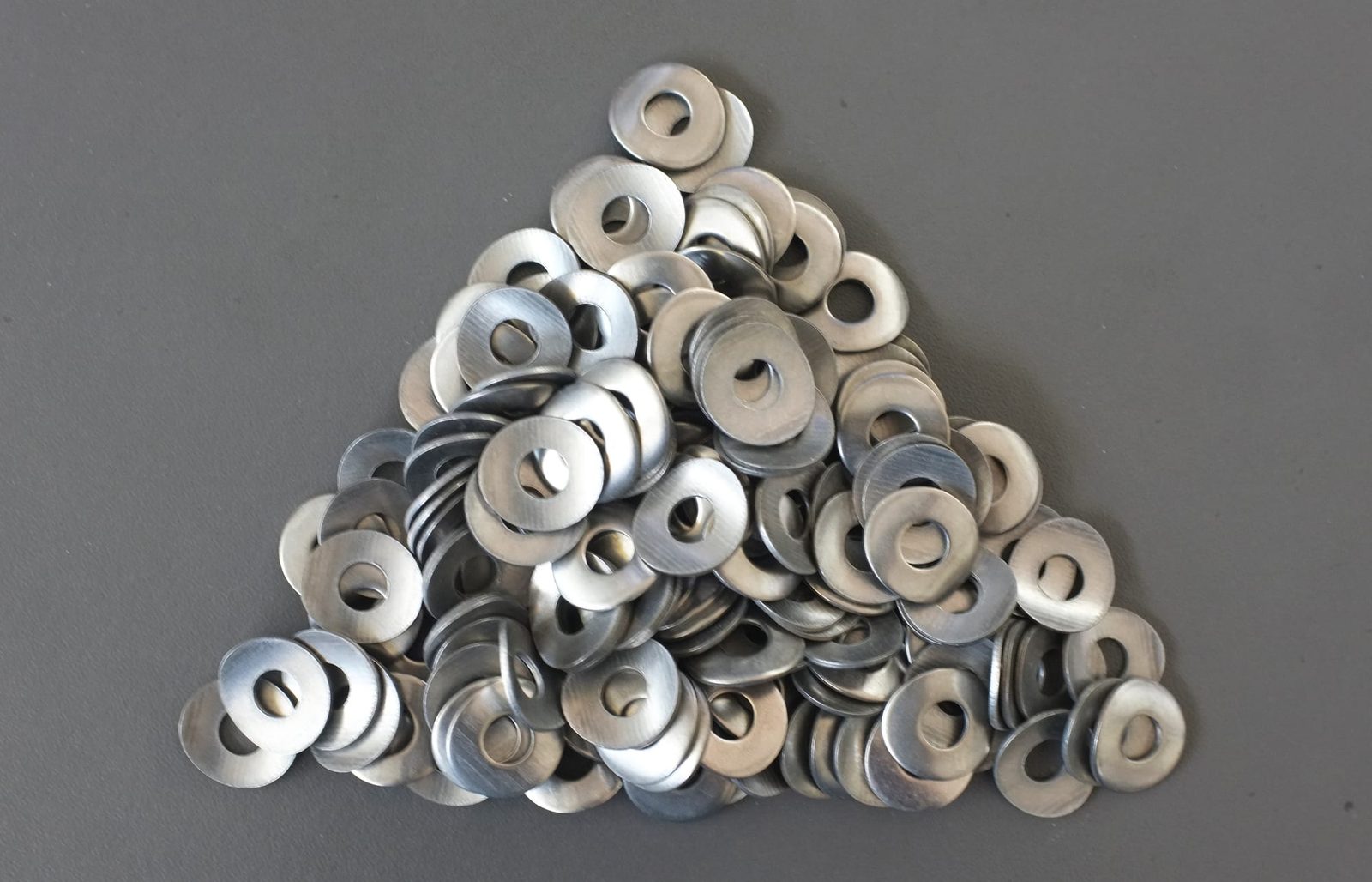
Breaking Liquid Surface Tension & Capillary Nesting
When two flat stamped washers or thin stainless shims meet inside thick, high-foaming soap water, a thin liquid film forms a powerful capillary vacuum seal between planar faces. Compound-JTS5 sheet metal polishing compound reduces interfacial cling and foam cushion inside ZL circular bowls—letting rolling media slip cleanly between thin stamped plates on every cascade flip so every sharp die-shear edge gets uniform radiusing. Review our mass finishing compounds guide and steel polishing compound guide.
Comparing JTS5 With LC10, MC8, and JTJ Series
Within the SurfacePolish lineup, compound-LC10 serves as the everyday general cutting compound for thicker CNC brackets and manifolds, acidic MC8 strips heavy black heat-treat mill scale on isolated carbon-steel lines, HM3/JTJ burnish Stage 2 mirror luster, and compound-JTS5 specializes specifically in thin stamped steel, stainless, and spring sheet-metal parts prone to flat sticking. Explore our compound LC10 deburring guide and compound MC8 descaling guide.
Mandatory Upstream Pre-Degreasing for Oily Stamping Lubricants
Blanking presses and progressive dies coat sheet-metal stampings in heavy drawing oil or rust-preventive wax. Dumping oily stampings directly into JTS5 turns drawing grease into sticky paste that glues washers together even worse—and glazes ceramic pores shut! Always run oily stampings through an upstream alkaline pre-wash tank first. See our ceramic media glazing fix guide.
| Stamping Chemistry | Primary Role | Ideal Media Pairing | Safe Sheet-Metal Scope | Critical Shop-Floor Rule |
|---|---|---|---|---|
compound-JTS5 (Sheet Metal) |
Anti-cling separation & deburring | Tri-star / angle-cut high-frequency ceramic |
Thin stamped washers, shims, springs | Maintain generous single-pass spray flow |
compound-LC10 |
General single-pass cut & flush | High-frequency ceramic / plastic cones |
Thick brackets, castings, CNC manifolds | Pre-degrease oily CNC & stamped parts |
compound-MC8 (Acidic) |
Heavy scale & heat-tint strip | High-frequency ceramic stones |
Carbon-steel heat-treated stampings ONLY | Lock strictly away from aluminum & zinc |
JTJ20 / JTJ60 |
Stage 2 mirror ball burnish | 304 stainless balls / high-alumina |
Stamped stainless cutlery, surgical clips | Keep Stage 1 cutting grit completely out |
Pairing compound-JTS5 With Tri-Star Ceramic and Non-Lodging Shapes
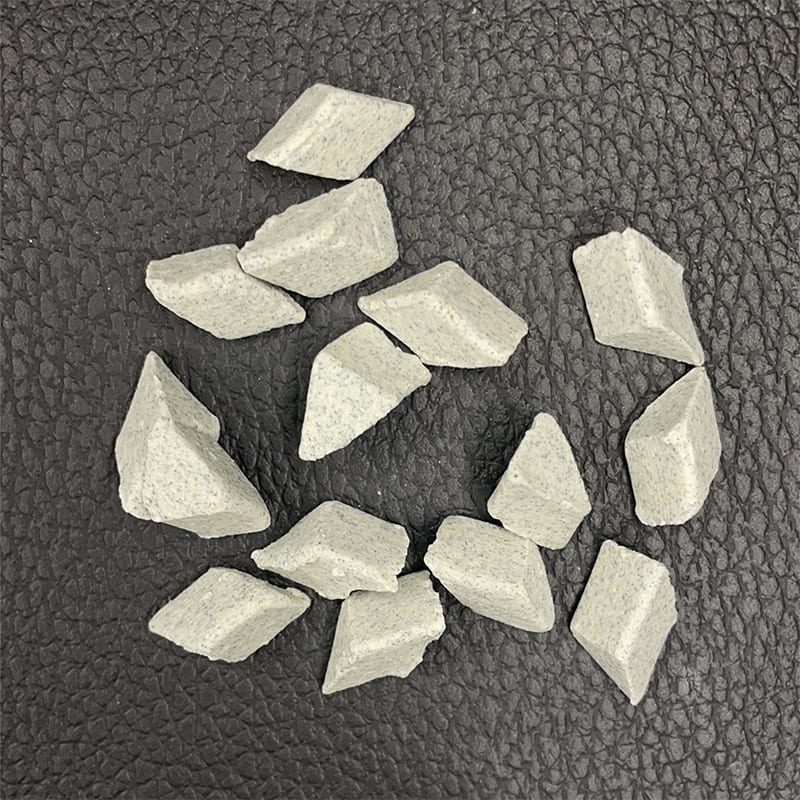
Why Curved Tri-Star Ceramic Beats Flat Triangles on Washers & Shims
Broad flat-faced ceramic triangles act like suction cups when pressed against flat stamped washers. Switching to three-lobed high-frequency tri-star ceramic media—whose curved convex lobes break planar contact continuously—paired with compound-JTS5 eliminates part-to-stone clinging completely while reaching curved stamping cutouts cleanly. Review our tri-star ceramic media guide and ceramic triangle media guide.
Using Angle-Cut Cylinders & Plastic Cones for Non-Ferrous Stampings
When thin stamped steel washers contain circular bolt holes near stone size, pair compound-JTS5 with angle-cut ceramic cylinders that roll across bores without wedging. When stamping soft 6061 aluminum or brass shims, switch heavy ceramic out for lightweight resin-bonded synthetic plastic cones with LC10 and generous water flow so delicate edges never bend or bruise. Explore our angle-cut ceramic cylinders guide and synthetic plastic tumbling media guide.
Screening Worn Chips Weekly to Stop Thin Wafer Nesting
Shrunk worn ceramic wafers wedge inside stamped washer ID holes rapidly. Screen out undersized chips weekly across your vibratory separator screen and top up fresh media to the working fill line so cushioning and separation stay crisp. See our non-lodging media sizing guide.
Machine Control: ZL Bowls, Motor Lead Angles, and Tumbler Media Ratio
Tuning Counterweight Lead Angles & Tumbler Media Ratio for Thin Gauges
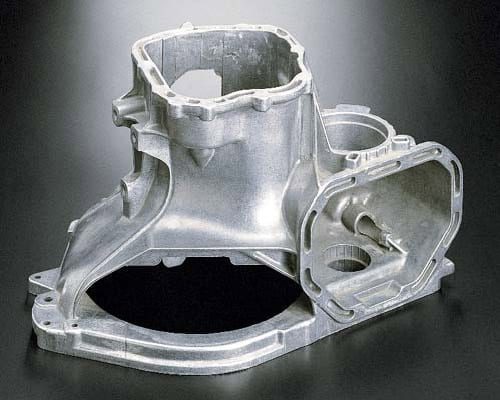
Thin sheet-metal stampings fold or bend if dumped in large clumping piles inside an under-filled bowl. Maintain a generous tumbler media ratio cushioning thin parts inside deep high-frequency tri-star beds, and tune ZL bowl motor counterweight lead angles conservatively so parts roll smoothly without violent airborne impacts. Review our vibratory motor counterweight tuning guide and tumbler media ratio guide.
Handling Long Stamped Strips Inside ZXL and L1300–L1800 Troughs
Long stamped automotive brackets, mounting rails, and thin stainless trim strips tangle or bend inside open circular bowls. Run long stamped profiles inside ZXL or L1300–L1800 divided troughs with dedicated lane dividers and multi-nozzle JTS5 overhead spray bars. Read our divided trough vibratory finisher guide.
Separator Screen Selection for Thin Flat Stampings
Choose vibratory separator screen apertures carefully so full-sized tri-star or cylinder stones drop swiftly back into the bowl while thin flat washers glide across the clean-water spray rinse bar without slipping through screen gaps. Explore our pneumatic separation screen deck guide.
Single-Pass Flow, Settling Tanks, and Heated 35A/70A Spin-Drying
Continuous Clean Water + Multi-Baffle Settling Tanks
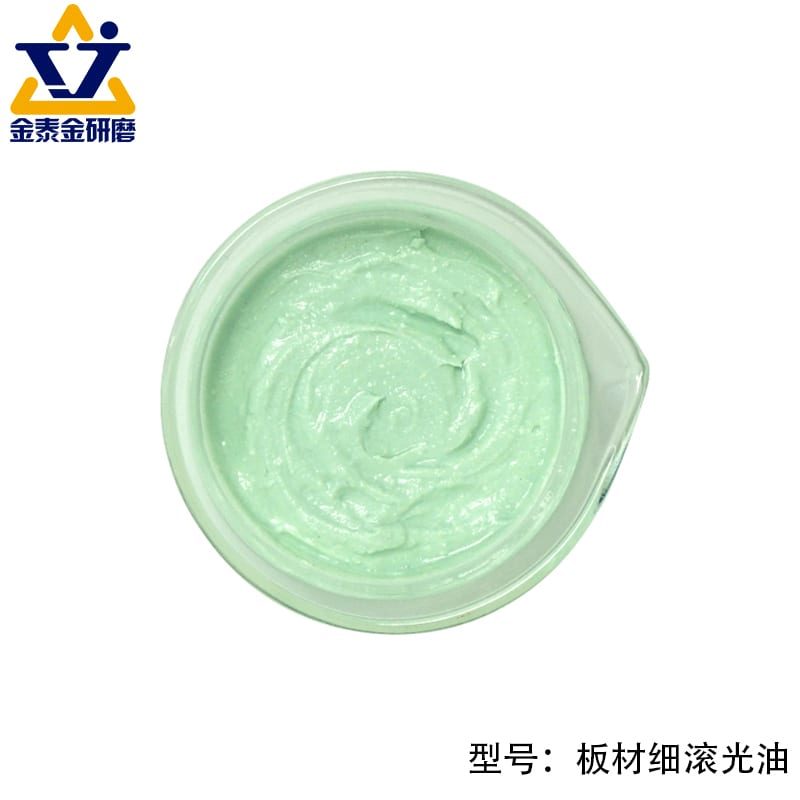
Never recirculate dirty sump water on JTS5 stamping lines! Continuous single-pass clean water and metered compound-JTS5 sweep sheared die burrs and stamping silt straight through bottom drain grates into a multi-baffle settling tank so flat parts emerge bright and clean.
Immediate 35A/70A Centrifugal Spin-Drying & Dry Corncob Follow-Up
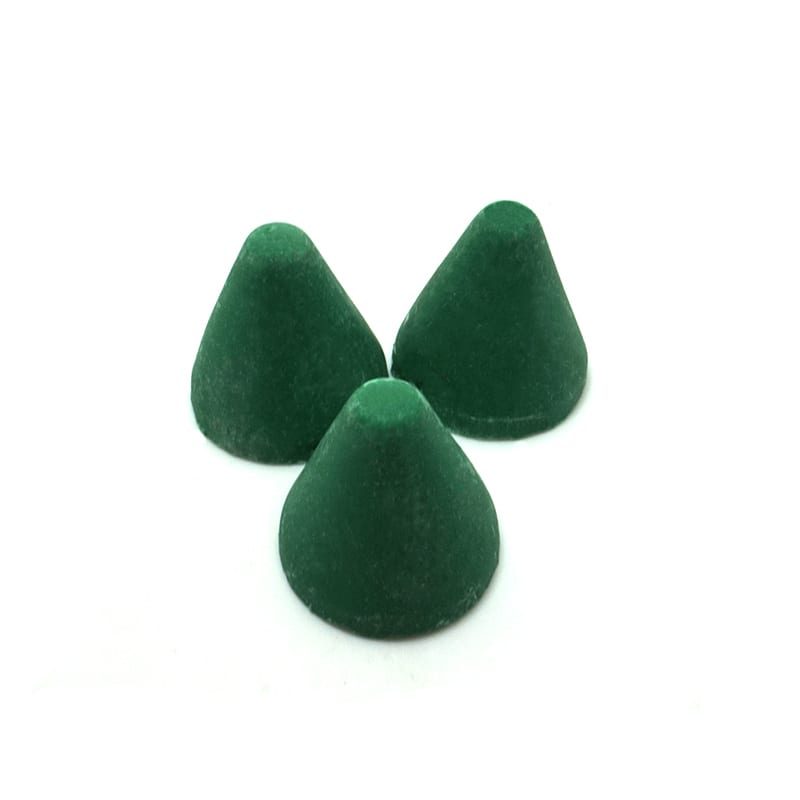
Wet stamped carbon-steel washers flash-rust fast if stacked damp in shop bins! Transfer rinsed stampings straight from the separator spray bar into a heated 35, 35A, 70, or 70A centrifugal spin-dryer—using a brief warm dry corncob pass in a heated bowl whenever flat mirror stampings need zero calcium water rings or residual cling. See our centrifugal dryer guide and corncob drying media grades guide.
Multi-Shift Troubleshooting, Drain Care, and Liner Checks
Brushing Bottom Drain Grates & Checking Polyurethane Liner Ribs
Flush bottom drain slots open at shift start so JTS5 flow never backs up, and inspect polyurethane bowl ribs weekly so worn discharge ramps never snag thin stamped edges. Review our polyurethane bowl liner replacement guide.
Preventing Stamping Nesting Through Controlled Part-Feeding Pace
Dumping an entire tote of flat stamped washers, stator laminations, or thin stainless shims into one corner of a ZL vibratory bowl creates a dense metallic stack before compound-JTS5 sheet metal polishing compound and tri-star ceramic stones can disperse parts individually. Once flat blanks stack face-to-face under their own weight, liquid capillary attraction locks them together for the entire cycle, leaving inner faces completely un-deburred while outer rims absorb excessive wear. Feed flat stampings gradually into a running, fully wetted tri-star bed over the active climbing zone of the bowl—or use an automated vibrating hopper feeder—so each individual washer enters the rolling media curtain separated from its neighbors.
Balancing Anti-Cling Wetting Against Corrosion Protection on Carbon Steel
Carbon-steel lock washers, spring clips, and cold-rolled brackets face two competing risks during wet vibratory deburring: high-foaming soaps cause floating and part-to-part sticking, while aggressive uninhibited water strips protective mill oil and triggers immediate flash rusting. Compound-JTS5 is balanced to break capillary suction and keep foam low on the media bed while flushing away fine metallic shear dust cleanly in single-pass flow. Because single-pass rinsing still leaves bare carbon-steel faces vulnerable once exposed to humid shop air on the discharge screen, pair the JTS5 separator chute directly with a heated 35, 35A, 70, or 70A centrifugal spin-dryer—and apply a light rust-preventive dip or dry corncob wipe whenever parts wait more than one shift before plating or assembly.
Selecting Separator Screen Apertures and Discharge Dam Heights for Flat Blanks
Thin flat stampings behave unpredictably on standard vibratory separator screens because their thickness is tiny compared to their outer diameter. If wire-mesh or slotted polyurethane screen apertures are sized carelessly, flat washers either slip diagonally through openings alongside undersized ceramic chips or ride flat across the media bed and recycle back into the bowl. Select screen slot geometry so high-frequency tri-star ceramic media drops cleanly into the return chamber while every stamped washer or bracket rides smoothly over the clean-water spray rinse bar into catch baskets, and adjust the internal separation dam gate gradually so parts exit without tumbling against steel chute walls.
Managing Stamping Burr Orientation and Die-Side Wear on High-Frequency Ceramic
Every punch-press stamping carries a rolled burr edge on the die-breakout side and a slightly radiused edge on the punch-entry side. Running compound-JTS5 with high-frequency tri-star ceramic stones ensures that curved three-lobed surfaces sweep uniformly across both flat faces without flat-face suction, steadily rounding sharp shear burrs into smooth, handle-safe radii. Monitor ceramic stone wear weekly using a media screening and replenishment SOP so worn, undersized tri-star triangles never lodge inside stamped bolt holes or mounting slots.
Upstream & Downstream Integration for High-Volume Stamping Lines
Pre-Wash Degreasing for Progressive-Die Drawing Oils and Lubricants
Progressive stamping presses rely on heavy chlorinated or synthetic drawing lubricants to protect punch-and-die tooling during high-speed blanking. Carrying thick drawing oils straight into a ZL vibratory bowl coats high-frequency ceramic pores, triggers ceramic media glazing, and overwhelms compound-JTS5 anti-cling surfactants. Staging an inline alkaline wash or hot water-detergent spin wash ahead of the vibratory deburrer ensures JTS5 contacts bare metal immediately, cutting cycle time and keeping settling tanks free of floating oil scum.
Sizing Multi-Baffle Settling Tanks for High-Speed Shear Silt
Stamping deburring generates fine iron, stainless, and ceramic dust that turns closed-sump water into abrasive grey mud within hours if recirculated. Route JTS5 bottom-drain effluent through a generous multi-baffle settling tank equipped with staggered weir plates so heavy ceramic silt and metal fines settle quietly in the first two chambers before clarified water overflows to plant treatment or filtered reuse.
Transitioning Deburred Stampings to Stage 2 Mirror Burnishing or Plating
Once compound-JTS5 and tri-star ceramic stones produce a clean, burr-free satin finish, parts destined for decorative chrome plating, architectural trim, or surgical clip assembly can transition cleanly into Stage 2 non-abrasive burnishing. Rinse parts thoroughly under a clean spray bar on the separator screen, inspect totes to guarantee zero Stage 1 ceramic chips remain, and load stampings into dedicated Stage 2 304 stainless balls with JTJ20 (for stainless/steel) or iron-free high-alumina spheres with HM3/JTJ50 (for non-ferrous alloys) to achieve high-contrast mirror luster.
Auditing Dosing Pumps, Spray Bars, and Operator Safety Checklists
Post clear visual setup cards at every ZL and ZXL stamping station detailing exact compound-JTS5 peristaltic dosing flow, tri-star ceramic media level, motor eccentric angle, separator screen part number, and heated 35A/70A dryer timer. Daily morning checks of suction strainers and overhead spray nozzles prevent dry-spot sticking mid-shift and keep scrap rates near zero across all shifts.
Handling Perforated Tabs, Spring Clips, and Interlocking Stampings Safely
Stamping geometries with open U-hooks, cantilevered spring fingers, or wide slotted cutouts tend to tangle mechanically even when flat-face capillary suction is broken by compound-JTS5. Rather than overloading a standard circular bowl, reduce batch part weight relative to tri-star ceramic fill (tumbler media ratio), verify that ceramic stone dimensions cannot pass cleanly through any slot without dropping out smoothly, and test divided ZXL or L1300–L1800 troughs when long thin stamped rails require gentle linear rolling without end-over-end tangling.
Tracking Ceramic Media Consumption and Drum Replenishment Schedules
Continuous stamping deburring wears sharp high-frequency tri-star lobes down steadily over multi-shift production. Log weekly media top-ups alongside compound-JTS5 drum consumption per operating shift; a sudden spike in rejected bent parts or longer deburring cycles usually traces back to an under-filled ceramic bed or blocked bottom drain grate rather than defective chemical drums.
Verifying Flatness, Edge Radius, and Coating Readiness at Lot Release
Before releasing a finished tray of stamped washers, spring clips, or motor shims to plating or assembly, inspect sample parts from the center and bottom of the 35A/70A dryer basket under raking shop light. Confirm zero flat-face water rings, smooth uniform edge radii across both punch-entry and die-breakout corners, and complete removal of stamped press burrs without part warping, then pack dried parts cleanly in lined corrosion-resistant shop totes immediately to preserve crisp, consistent, burr-free surface brightness across multi-shift warehouse storage, inventory staging, clean packaging, and customer transit.
JTS5 Stamping Defect |
Likely Root Cause | Immediate Correction | Preventive Standard |
|---|---|---|---|
| Washers sticking tightly together | Oily drawing grease or wrong thick soap | Pre-degrease batch; switch to JTS5 + tri-star |
Upstream alkaline wash + generous flow |
| Uneven burr removal on flat shims | Flat-faced triangles clinging to parts | Purge flat triangles; load tri-star ceramic | Standardize tri-star + JTS5 on stampings |
| Flash rust spotting on carbon washers | Slow ambient drying of stacked parts | Clean spray rinse + 35A/70A spin-dry |
Stage heated centrifugal dryer at chute |
| Thin stampings slipping through screen | Separator mesh aperture too wide | Fit tighter separation deck matched to part | Verify part-vs-media screen gap on setup |
| Bent or folded thin stamped brackets | Low media cushion or high motor angle | Raise tumbler media ratio; lower lead angle |
Load ZXL troughs for long thin rails |
Factory Capabilities & Verified Sheet-Metal Chemistry Supply
Founded in 1992, Xiamen Jin Tai Jin Grinding Technology Co.,Ltd. (SurfacePolish) engineers and manufactures 21 machine platforms backed by 24 granted Chinese IP rights and more than 200,000+ solutions across certified facilities (ISO 00726Q01571R001, CE M.2023.206.C88121, and CE M.2023.206.C88120). Alongside ZL circular bowls, ZXL/L1300–L1800 divided troughs, LLF120/LLB50 centrifugal finishers, OBD-30..100 magnetic polishers, and 35/35A/70/70A dryers, we supply compound-JTS5 sheet metal polishing compound, LC10, MC8, HM3, JTJ20, JTJ25, JTJ50, and JTJ60 matched to high-frequency tri-star and cylinder ceramic, resin plastic cones, high-alumina spheres, 304 stainless balls, corncob, and walnut shell (8#-80#). Standard machines ship in 25–35 days and custom lines ship in 45–60 days. Send sample stamped washers, shims, or brackets to surface-polish.com for complimentary anti-cling validation. Honest boundaries apply: we do not supply stamping punch presses, electroplating baths, or dry buffing rouges.
Frequently Asked Questions About compound-JTS5 Sheet Metal Polishing Compound
What does compound-JTS5 sheet metal polishing compound do that standard soap cannot?
Compound-JTS5 sheet metal polishing compound reduces liquid capillary surface tension and excess foam cushion inside vibratory bowls, stopping thin stamped washers, shims, and leaf springs from clinging tightly together or sticking to flat media faces.
Which ceramic media shape pairs best with compound-JTS5?
Curved three-lobed high-frequency tri-star ceramic stones pair best with compound-JTS5 because rounded lobes break planar suction continuously; for parts with round bolt holes near stone width, angle-cut ceramic cylinders also prevent bore wedging.
Can compound-JTS5 prevent flash rust on stamped carbon-steel washers?
While JTS5 flushes steel surfaces cleanly during tumbling, carbon-steel stampings still oxidize rapidly in humid air once unloaded. Transfer rinsed parts straight into a heated 35, 35A, 70, or 70A centrifugal spin-dryer immediately.
Do I still need to pre-wash oily stamped washers before using compound-JTS5?
Yes. Heavy progressive-die drawing oils and blanking grease overwhelm anti-cling chemistry and cause ceramic media glazing unless stripped beforehand in an upstream alkaline pre-wash.
Can compound-JTS5 be used on thin stamped 6061 aluminum or brass shims?
Compound-JTS5 works cleanly on ferrous and stainless stampings; for ultra-soft aluminum or brass shims, test lightweight resin-bonded synthetic plastic cones with gentle LC10 flow (never heavy ceramic stones) to prevent edge bending or bruising.
Why do thin washers sometimes fall through the separator screen with ceramic media?
If your vibratory separator screen gap matches or exceeds washer thickness/diameter cleanly alongside worn stones, parts and media drop together. Size screen apertures accurately and keep fresh tri-star media topped up weekly.
Can compound-JTS5 leave a mirror polish on stamped stainless clips?
No. Compound-JTS5 supports Stage 1 burr removal and uniform matte-satin leveling; transition cleanly rinsed stainless stampings into Stage 2 non-abrasive high-alumina spheres or 304 stainless balls with JTJ60 for mirror luster.
How can I test compound-JTS5 on my stamped parts before ordering bulk drums?
Send representative raw stamped washers, shims, or springs directly from your press to surface-polish.com for complimentary lab testing; our engineers validate tri-star ceramic pairing, JTS5 spray flow, and 35A/70A drying and return finished samples before you order.
 +86-592-2381506


 IPv6 network supported
