
Rotary Tumbler: The Gentle Route in Mass Finishing
Rotary barrel finishing gets filed under "the budget option" in most comparison charts. That reading misses what the motion actually does. A barrel does not strike the parts; it carries the whole load up the wall and slides it back down. That change of contact mechanism is why thin walls and sharp edges survive a barrel and sometimes do not survive a vibratory machine.
This page is about that mechanism and the parts it suits. If you are still choosing between the machine families — barrel, vibratory, centrifugal — that decision is here: barrel polishing machines.
What a Rotary Tumbler Actually Is
When shop managers look at a rotary tumbler — also called a barrel tumbler, drum tumbler, or tumbling barrel machine — they see the classic architecture in our barrel finishing machines family. Because the hardware is simple, buyers often assume it is just a slower version of a vibratory bowl. In practice, a rotary tumbler machine uses a completely different physical motion to refine metal.
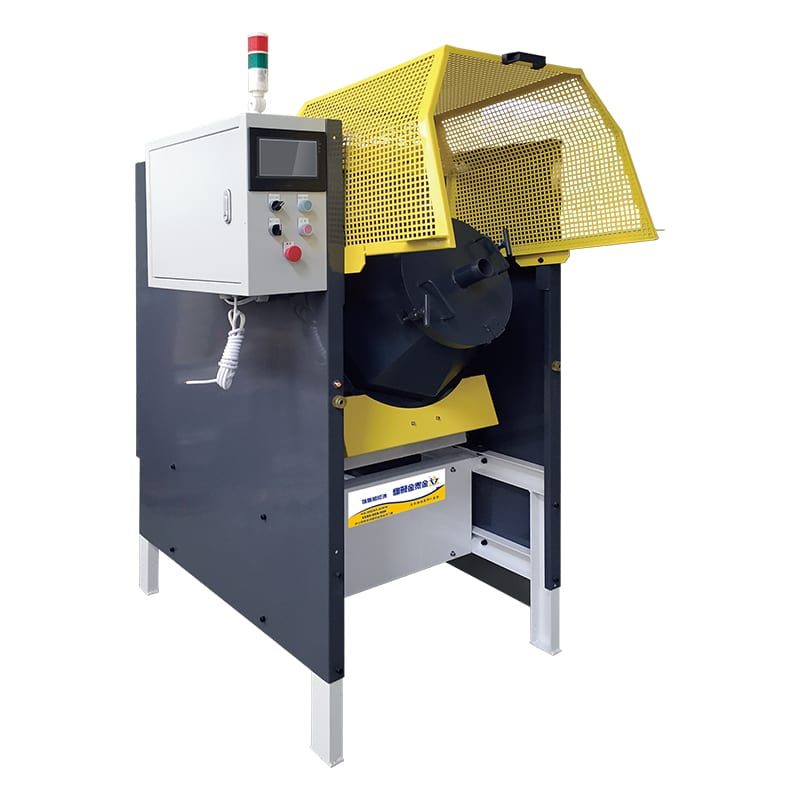
A barrel, a load, and a slide
An industrial rotary tumbler is a horizontal six-sided or eight-sided drum lined with polyurethane, rubber, or wood. Once loaded with parts, media, water, and compound, the rotating walls lift the load until gravity pulls the top layer smoothly down across the rising pile.
Note: The barrel cross-section — the rising dead zone and the active avalanche slide zone — is described in the text above rather than shown as a separate diagram.
The avalanche motion — why it is not the same as vibration
Finishing inside a barrel tumbling machine happens entirely within that flowing top avalanche — called the slide zone — rather than at the bottom of the drum. Instead of hammering parts at high frequency like a vibratory bowl, media stones press gently against metal faces and slide along them.
What "gentle" means mechanically, not as a marketing word
Calling rotary tumblers "gentle" is a mechanical description of how energy transfers to the part:
- Surface-area contact instead of point impact: Vibratory machines transfer energy through high-frequency point impacts on thin ribs and corners, whereas a barrel distributes weight across broad sliding faces.
- Low peak contact force: Only the weight of the shallow sliding layer presses media against the part, preventing peening or bruising on soft alloys.
- Cushioned part travel: Workpieces stay buried inside the sliding media blanket rather than bouncing loose across an open bowl.
What the Gentle Motion Buys You
Because an industrial rotary tumbler replaces high-frequency impact with steady sliding pressure, it solves four production headaches that ruin parts in faster machines. Exploring our rotary barrel tumbling machines lineup starts with these four part traits.
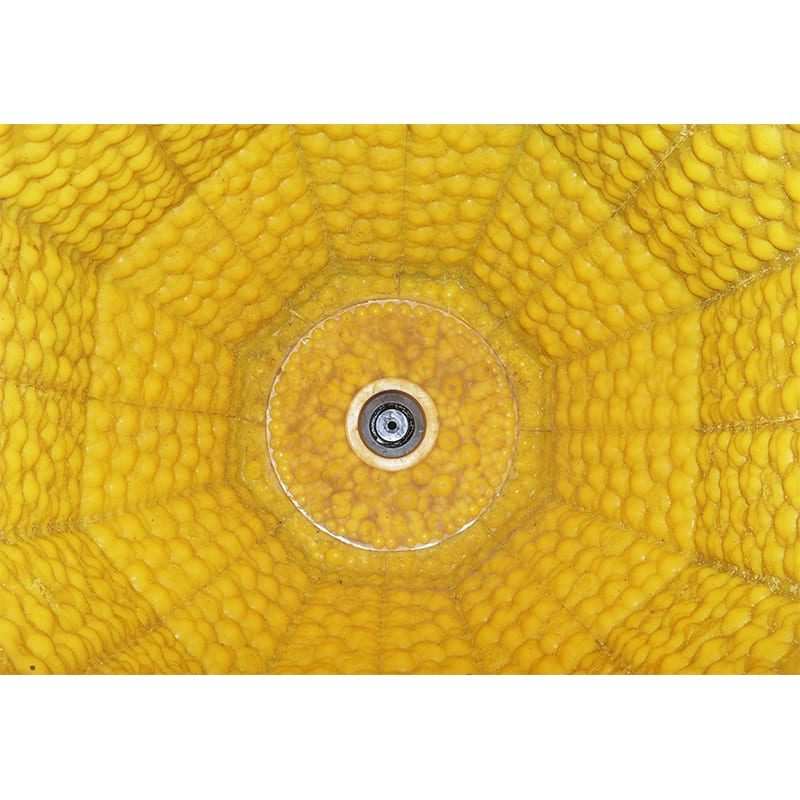
Thin walls and the parts that fold
Put thin-walled stamped clips, hollow brass ferrules, or slender spring strips into an aggressive vibratory bowl, and rapid media hammering can flex, dent, or fold the thin walls. Inside a rotary tumbler, the absence of high-frequency impact lets thin stampings and delicate tubes slide smoothly with the media bed without bending.
Sharp edges that must survive
Many machined components — such as valve spools, spacers, and sealing glands — need machining burrs removed while keeping functional edges crisp. In a vibratory or centrifugal machine, high impact energy rounds external corners rapidly. In a barrel tumbler, edge radiusing happens slowly and predictably through gentle sliding, giving operators tight control over corner break.
Parts that must not lose dimension
Every abrasive mass finishing process removes microscopic peaks from the metal surface, yet aggressive point-contact vibration can wear down exposed threads or bearing shoulders. Because a drum tumbler spreads low sliding pressure evenly across the workpiece, stock removal is gradual and uniform, protecting tight dimensional callouts.
Large and heavy workpieces
A heavy duty rotary tumbler with a thick polyurethane liner and geared drive also handles forged hardware, flame-cut steel plates, and rugged castings that would bruise a light vibratory bowl. As long as the barrel diameter gives the part room to slide inside the media blanket, slow rotation rolls scale and flash away steadily.
What It Does Not Do Well
No single machine handles every routing. The same low-impact sliding physics that makes a rotary tumbler safe for fragile stampings makes it the wrong tool for three common goals.
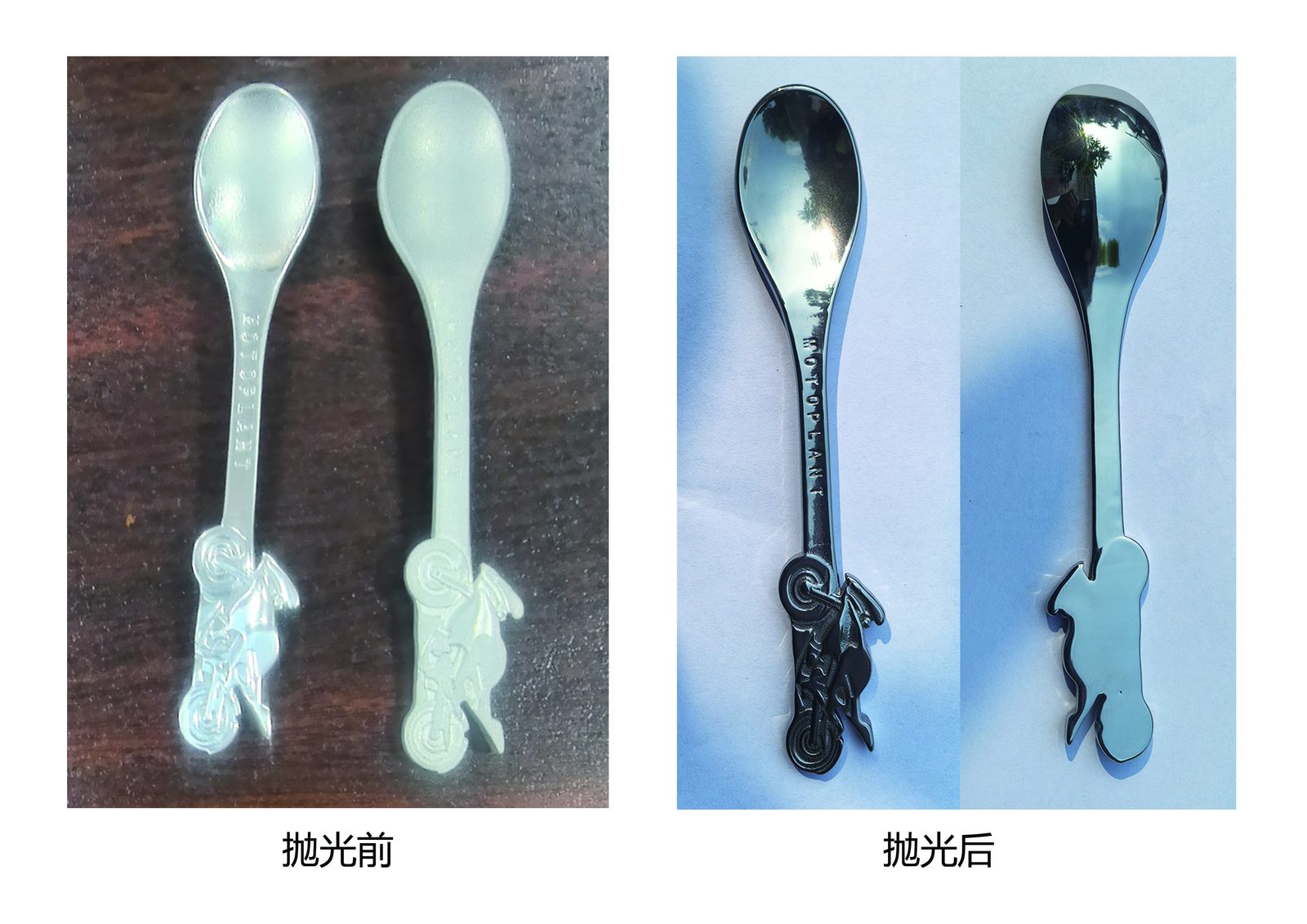
Speed
A rotary tumbler is inherently slower than a vibratory bowl or centrifugal machine. Cutting only happens inside the active top slide layer while the rest of the load rides the barrel wall back up to the top. Because each part spends only a fraction of each revolution in the slide zone, fast turnaround on robust stampings belongs in a vibratory bowl.
Complex internal geometry
Avalanche sliding acts on outer surfaces and exposed edges. Without high-frequency vibration or high-G force to push media into cavities, barrel media bridges over deep blind holes, narrow slots, and internal cross-bores. Recessed features leave a rotary barrel virtually untouched.
Mirror finishes
A wet rotary barrel running steel balls or a dry wooden barrel running treated walnut shell pegs produces a smooth, bright sheen on simple hardware. However, a gravity-driven rotary tumbler cannot generate the high compressive pressure needed for a deep, specular mirror finish on hard metals. True mirror work requires a centrifugal barrel or multi-stage burnishing line.
The honest comparison against vibratory finishing
Use the four-column capability table below to see where a rotary barrel belongs and where another machine should take over.
| Your Target Goal | Can a Rotary Tumbler Do It? | Shop-Floor Reality | Better Process if No or Hard |
|---|---|---|---|
| Deburr thin-walled or fragile stampings | Yes — optimal | Surface-area sliding removes burrs without flexing thin walls | None for loose batch work |
| Remove burrs while keeping edges crisp | Yes | Slow, predictable action prevents accidental over-rounding | None needed |
| Descale heavy forgings or flame-cut steel | Yes | Lined drums roll tough scale off steadily with low wear | Shot blasting for heavy scale |
| Turn around batches in short cycle times | No | Only the top slide zone is active, making cycles long | Vibratory bowl or centrifugal disc |
| Deburr internal cross-holes and blind slots | No | Sliding media bridges across small openings without scrubbing | Magnetic pin or drag finishing |
| Produce a deep specular mirror on steel | Hard | Gravity sliding lacks the pressure to roll hard peaks flat | Centrifugal barrel with steel media |
| Remove deep gouges or casting pits | No | Gentle sliding rides over deep pits without leveling stock | Belt grinding before tumbling |
| Modify part dimensions or change color | No | Tumbling refines texture only; it never alters fits or color | CNC machining or plating |
When your parts need high-G sliding pressure to reach a mirror finish rapidly, compare high-energy options in our guide on centrifugal disc vs centrifugal barrel finishing.
Rotary Tumbler vs Vibratory Finishing — The Real Difference
Buyers searching rotary tumbler vs vibratory or rotary tumbler vs vibratory tumbler often ask which machine is better. Framing the choice as old technology versus modern technology leads shops to buy the wrong equipment.
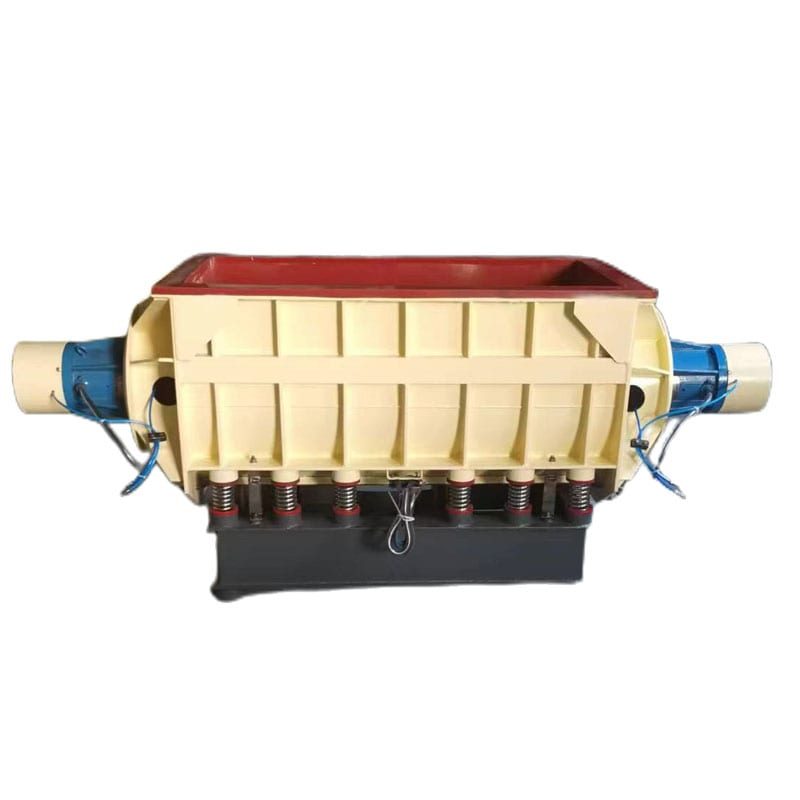
Two different contact mechanisms
A vibratory finishing machine and a rotary tumbler are built around two different contact mechanisms:
- Vibratory finishing is impact-driven: An eccentric motor shakes the open tub at high frequency so all media in the bowl scrubs and taps the part at once. It cuts fast, reaches open pockets, and unloads easily across a screen deck.
- Rotary tumbling is slide-driven: A geared motor turns a closed polygonal drum at low speed so parts and media rub together inside the falling avalanche layer. It cuts slowly, rounds corners smoothly, and protects fragile walls from hammering.
Where the industry's assumption goes wrong
A common assumption says that a shop only buys a rotary barrel when it cannot afford a vibratory bowl, and upgrades to vibration once budget allows.
That assumption ignores physics. Some parts fail in a vibratory machine — not because the operator picked the wrong setting, but because high-frequency point impact is the wrong contact mechanism for that shape. Thin spring clips that warp in a vibratory tub, or high-carbon parts that chip on sharp corners under vibration, run cleanly inside a sliding barrel.
Why both machines exist in the same shop
Walk into a mature stamping or machining plant and you will see rotary barrels sitting right across the aisle from vibratory bowls. Having both machines is smart routing, not duplication:
- Vibratory bowls and tubs: Handle fast everyday deburring, machined blocks, castings with pockets, and parts needing automated unloading.
- Rotary barrels: Handle long overnight unattended cycles on forgings, fragile thin-walled stampings, smooth edge radiusing, and dry wooden-barrel peg polishing.
The selection sequence
Walk through these four steps in order to choose between a rotary barrel and a vibratory machine:
- Step One — Check wall thickness and distortion risk: If the part bends, folds, or peens under high-frequency tapping, choose a rotary tumbler immediately.
- Step Two — Check internal passages and recesses: If burrs sit inside pockets that require active media agitation, rule out a rotary barrel and use vibratory or magnetic finishing.
- Step Three — Check shift staffing and turnaround: Choose vibratory finishing for fast manned turnarounds during the day, or a rotary barrel for long unattended overnight runs.
- Step Four — Check machine form and automation needs: When vibration fits best, follow our guide on how to select the right vibratory finishing machine.
Media and Compound for a Barrel
Because a rotary tumbler operates as a closed, slow-turning drum with no continuous drain, selecting grinding media and compound follows different rules than in an open bowl.
Why barrel media differs from vibratory media
In a rotary barrel, contact pressure comes solely from gravity acting on the sliding layer. Because the drum puts less mechanical energy into the load than a vibratory motor does, barrel media often uses a slightly more aggressive cut or higher bulk density to compensate.
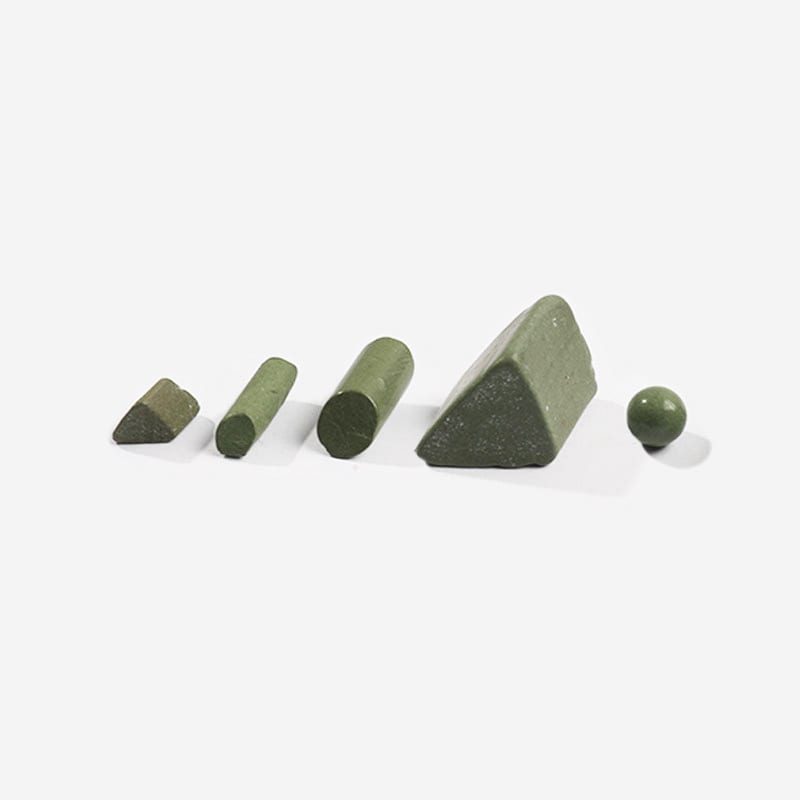
Tough vitrified ceramic triangles, angle-cut cylinders, and dense plastic cones are the workhorses of wet barrel tumbling, while hardwood pegs, cob meal, and treated walnut shells fill dry polishing barrels. For a full breakdown of shapes, see our vibratory tumbler media selection guide.
Size and the lodging problem
Media lodging — where a stone wedges inside a hole or slot — is frustrating in a closed barrel because operators cannot see inside mid-cycle.
To prevent lodging, follow a strict geometric rule. Choose a media size that is either clearly smaller than the smallest hole on your part so it flows straight through, or noticeably larger than the largest opening so it never enters.
What the compound does in a slow, wet barrel
Inside a sealed wet barrel, the initial dose of water and finishing compounds must last the entire stage without continuous flushing:
- Consistent sliding lubrication: The compound forms a slick cushion so parts slide smoothly down the slope instead of galling against bare stones.
- Long-term swarf suspension: As metal fines and media dust build up over hours, the compound keeps dark sludge suspended so it does not settle back onto parts.
- Corrosion and gas control: Barrel compounds are buffered to prevent gas pressure buildup inside closed drums and stop flash rust on freshly cut steel.
What Goes Wrong and What It Means
Because a rotary tumbler is enclosed while running, setup mistakes stay hidden until the door opens. Reading the finished load lets you fix barrel errors on the next batch.
Why barrel slipping is the number one hidden failure
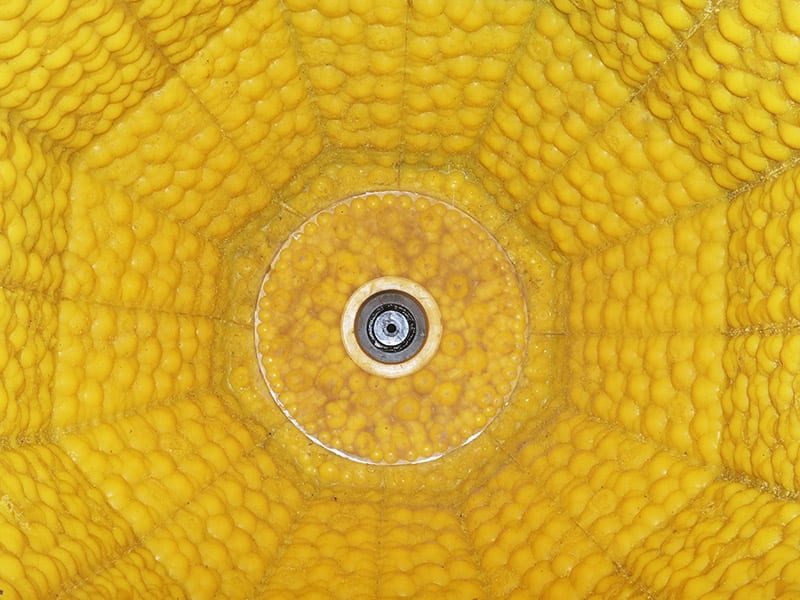
The most common failure in rotary tumbling is "slipping" — which stays invisible from outside the closed drum. When a barrel is under-loaded, the small pile does not climb the wall to form an avalanche slide; instead, the whole load slides backward as a solid block against the wet liner. Parts stop rolling, leaving one face worn and the other still burred. Raising total fill volume so the load catches the angled drum walls cures slipping immediately.
The four-column troubleshooting table
Use the diagnostic table below to trace rotary barrel problems back to their root cause.
| Surface or Batch Symptom | Root Cause | Shop-Floor Check | Corrective Action |
|---|---|---|---|
| Uneven finish; one face polished while the other is raw | Under-loaded barrel causes the load to slip against the wall without rolling | Stop and open the drum to check fill height | Add media and parts until a true avalanche slide layer forms |
| Flat parts stick together with raw inner faces | Overloaded barrel or flat wet faces suctioning together | Check unloaded lot for stuck pairs and low headroom | Reduce total load volume and use angled or conical media |
| Thin-walled stampings come out bent | Drum speed is too high or media is too heavy | Listen for crashing sounds of parts falling | Lower drum speed via VFD and switch to lighter plastic media |
| Outer corners round off beyond tolerance | Cycle ran too long or media is too aggressive | Compare edge radius against a control part | Shorten cycle time or use milder media |
| Media wedges inside holes and slots | Media size matches hole diameter | Measure wedged stones against part openings | Screen out worn media and pick a size smaller or larger |
| Parts come out dark gray instead of bright | Spent compound or abraded sludge redepositing | Check drain water color and wipe part with white cloth | Refresh compound dose and rinse thoroughly |
Cost: What Drives It
When buyers compare mass finishing quotes, they often wonder how a process that takes longer than vibratory finishing can still be the most economical choice for certain parts.
Five cost lines
Every rotary barrel operation is governed by five cost components:
- Equipment capital: A simple geared rotary drive costs less upfront than high-frequency vibratory frames and lasts for years.
- Media wear: Gentle gravity sliding wears media much more slowly than vibration.
- Compound usage: Closed drums use a single measured charge per batch.
- Operator labor: Loading takes manual effort, but drums run unattended for hours or overnight.
- Scrap and rework: Low-impact sliding prevents thin-wall bending and impingement scrap.
Why the slow process is sometimes the cheaper one
A rotary tumbler is slow on the clock, yet what it saves you is not cycle time — it saves you scrap rate. If a fast machine finishes a batch of delicate thin-walled brackets quickly but bends even a few pieces out of tolerance, scrapping or reworking those brackets wipes out every minute saved. In a rotary barrel, the cycle runs longer, often unattended overnight, and fragile parts come out intact.
Where the volume threshold sits
For small batches of varied parts, multi-drum rotary tumblers run several lots at once with minimal consumable cost. When production scales into continuous high-volume streams of rugged stampings that must feed an inline washer and dryer every hour, batch dumping becomes a bottleneck and continuous vibratory systems take over.
At our Xiamen plant, founded in nineteen ninety-two, we build hexagonal, octagonal, variable-speed, and dry wooden barrels across twenty-one machine platforms and six product lines, backed by twenty-four Chinese IP rights. We do not offer contract tumbling, plating, anodizing, blasting, heat treating, or hand tools.
Frequently Asked Questions About Rotary Tumblers
What is the difference between a rotary tumbler and a vibratory tumbler?
A rotary tumbler turns a closed polygonal drum slowly so parts and media slide gently down an avalanche slope in surface-to-surface contact. A vibratory tumbler shakes an open bowl at high frequency so media taps parts from every angle. Rotary tumbling is slower and gentler on thin walls, while vibratory tumbling is faster.
Can a rotary tumbler produce a polished finish?
It produces a smooth satin finish with wet media and a bright sheen with steel media or dry treated walnut shell pegs. However, a gravity rotary barrel lacks the contact pressure needed for a deep specular mirror on hard metals, which requires a centrifugal barrel.
What parts should not go into a rotary tumbler?
Avoid parts with burrs inside deep blind holes or narrow slots where sliding media cannot reach. Flat panels that suction together when wet and urgent orders needing fast same-shift turnaround also belong in vibratory or belt machines.
How full should a rotary barrel be loaded?
Load the barrel so media and parts form a continuous avalanche slide layer across the drum. Loading too lightly causes the load to slip against the wall without rolling, while overfilling leaves no headroom to slide. Exact fill ratios must be set through sample trials.
What media should I use in a rotary tumbler?
Use ceramic triangles or cylinders for wet deburring on steel, and plastic cones for soft aluminum, brass, or thin stampings. For dry brightening, use hardwood pegs, corn cob, or treated walnut shell, always sized so media cannot wedge in holes.
Is a rotary tumbler slower than vibratory finishing?
Yes, in active hours per batch, because only the top sliding layer cuts at any moment while a vibratory bowl agitates the whole bed at once. Yet lower media wear, unattended overnight runs, and lower scrap often make rotary tumbling cheaper per part. Reach out on our contact page to match a barrel and media setup to your parts.
 +86-592-2381506


 IPv6 network supported
