
The Profound Impact of Product Polishing: Elevating Quality, Durability, and Efficiency | Jintaijin Polishing
Introduction:
Product polishing is a transformative and highly specialized manufacturing process that significantly influences multiple industries, including aerospace for aircraft components, precision engineering for stainless steel products, healthcare for medical equipment, automotive for aluminum alloy products, and more. This comprehensive article will delve deeply into the nuanced and multifaceted benefits of product polishing, emphasizing the intricacies of the process. Additionally, we will outline the key steps involved in the product polishing process, providing valuable insights into this crucial aspect of modern manufacturing.
Benefit One: Impeccable Surface Finish
In industries where precision, aesthetics, and functionality converge, the quality of a product's surface finish is of paramount importance. Polishing, as a meticulous art, accomplishes more than mere aesthetics—it ensures product functionality and durability by perfecting the surface. During the process, skilled technicians at Jintaijin Polishing employ a range of abrasive materials and techniques to eliminate imperfections such as scratches, burrs, pits, or oxidation. The result is a surface that reflects light flawlessly, providing a mirror-like, smooth finish that not only appeals to the eye but also enhances the product's performance and longevity.

Benefit Two: Enhanced Durability and Corrosion Resistance
The significance of polishing extends far beyond cosmetic enhancements. Polishing profoundly augments a product's resistance to corrosion and wear, a vital consideration in industries where product longevity is critical. By meticulously removing surface defects, contaminants, and micro-imperfections, the polished surface becomes highly resistant to the corrosive effects of environmental factors, such as moisture, chemicals, or extreme temperatures. This extends the product's lifespan, reduces maintenance requirements, and ultimately lowers the cost of ownership. Aerospace components, medical devices, and marine equipment all benefit significantly from this enhanced durability.


Benefit Three: Streamlined Production Processes
The process of product polishing is a well-orchestrated sequence of meticulously executed steps:
Surface Preparation: Prior to any polishing activities, the product's surface undergoes rigorous preparation. This involves thorough cleaning and degreasing to ensure that the surface is free from contaminants that might hinder the polishing process. Proper preparation sets the stage for optimal polishing results.
Rough Polishing: The initial phase of polishing involves the use of coarse abrasives to remove surface imperfections and irregularities. This phase is critical in addressing issues like deep scratches, dents, or substantial surface roughness.
Fine Polishing: Following rough polishing, finer abrasives are employed to further refine the surface. This phase achieves a smoother finish, minimizing the visibility of fine scratches and imperfections. The goal is to enhance the surface's reflective properties, resulting in a near-mirror finish.
Buffing and Final Polishing: To achieve the desired mirror-like finish, specialized buffing compounds are applied, and the product is subjected to a final polishing stage. Skilled technicians meticulously buff the surface to perfection, ensuring an exceptional level of reflectivity and smoothness.
Cleaning and Inspection: After the rigorous polishing process, the product is meticulously cleaned to remove any residual compounds, ensuring a pristine finish. It then undergoes a thorough inspection by Jintaijin Polishing's experts to verify that the desired finish and quality have been achieved. Any remaining imperfections are addressed in this final quality control step.
Varieties of Polishing Machinery:
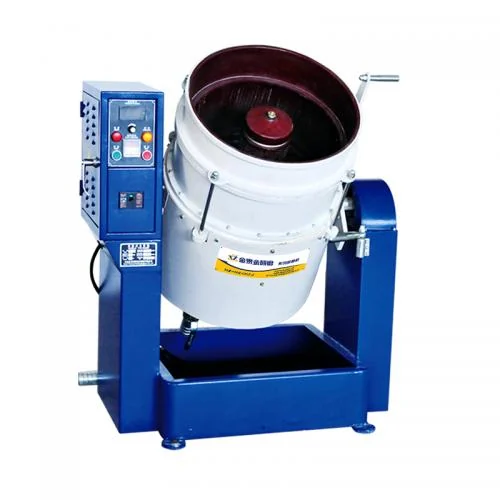
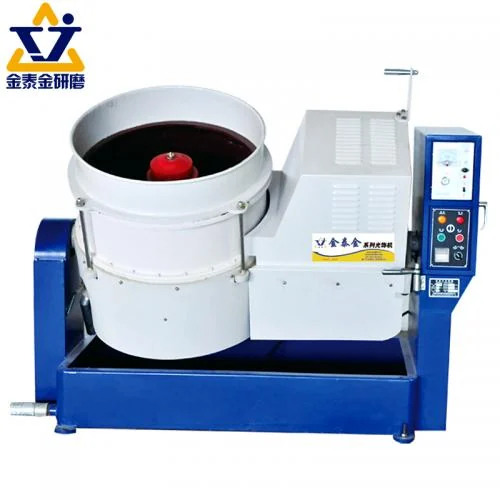
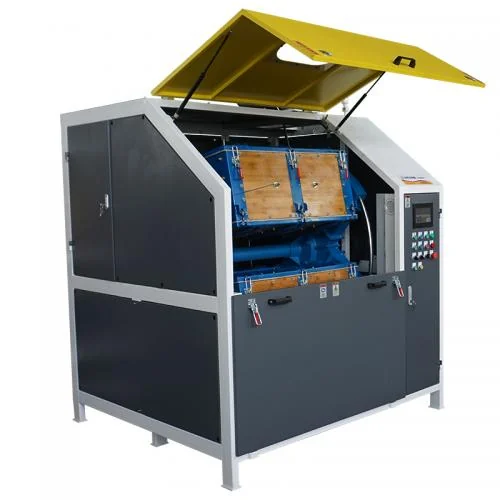
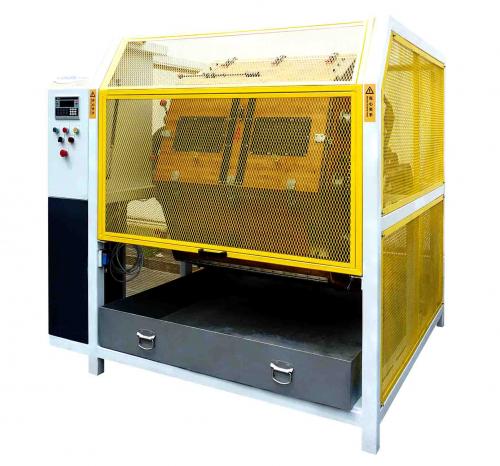
The success of the product polishing process heavily relies on the use of appropriate machinery, with specific machines designed for each polishing phase. Here is an overview of some commonly used polishing machines and their roles:
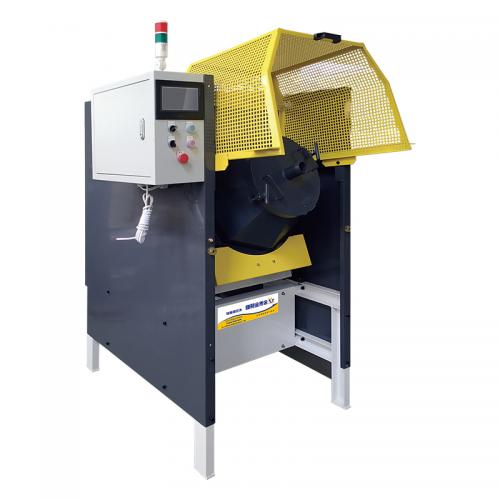
Rotary Polishing Machines: These machines are ideal for high-volume production settings, where efficiency is paramount. They can quickly and uniformly polish product surfaces, making them suitable for industries that require mass production with consistent quality.
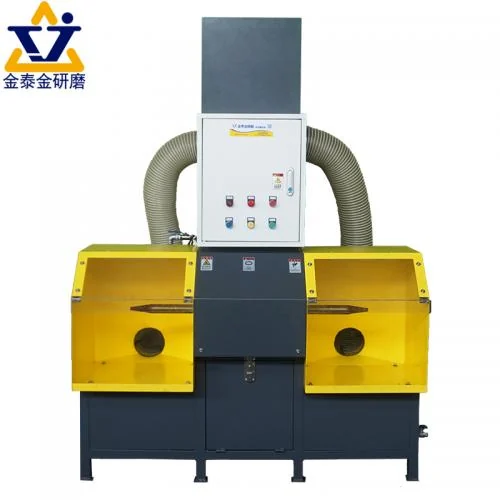
Dry Polishing Machines: Dry polishing machines excel at removing significant surface imperfections, such as deep scratches or defects in large material surfaces. They are particularly valuable when surface restoration is a priority.
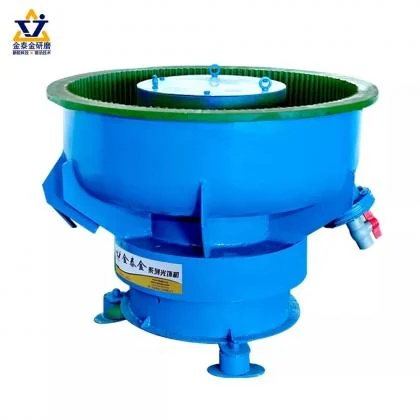
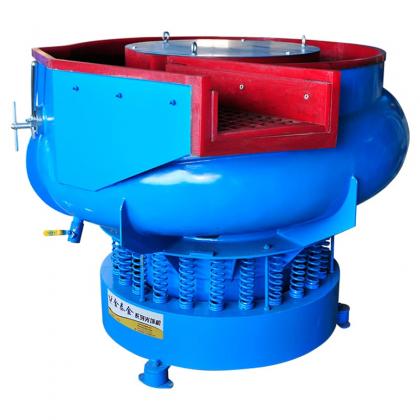
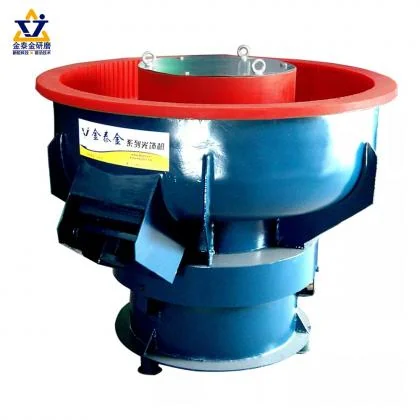
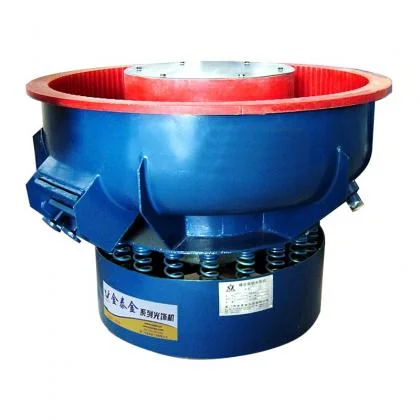
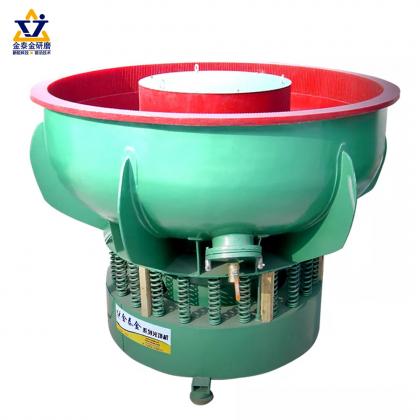
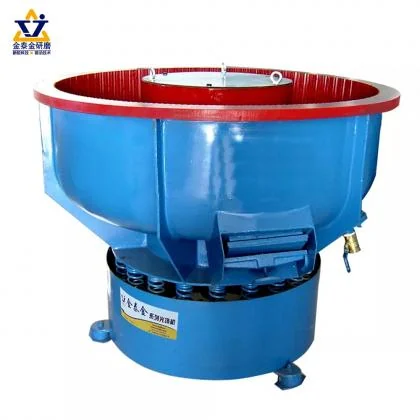
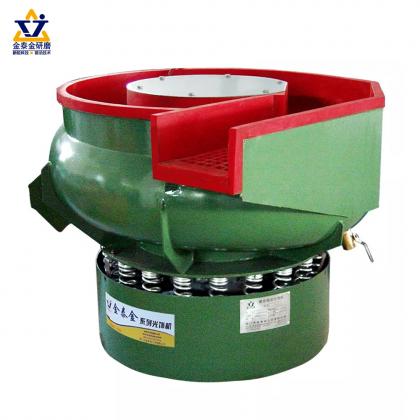
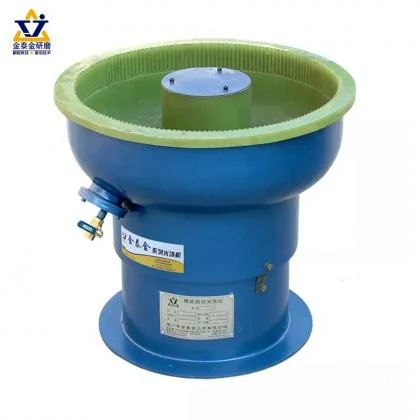
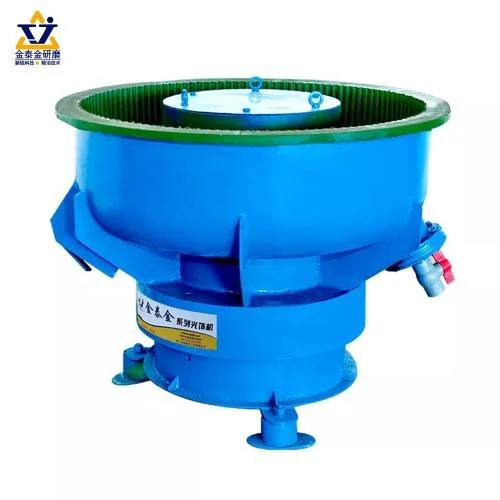
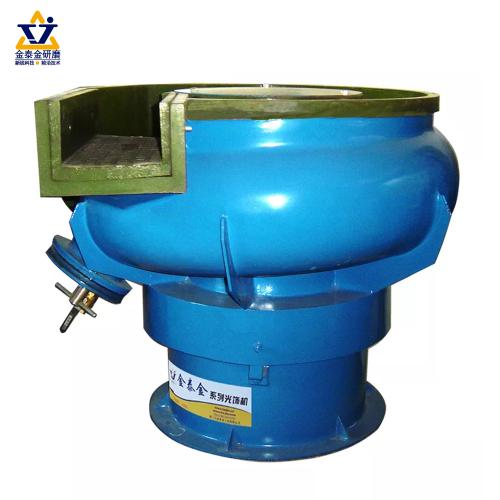
Vibratory Polishing Machines: Vibratory machines are perfect for polishing small parts and intricate components. They employ a combination of vibrations and abrasives to achieve an exceptional level of polishing quality in a relatively short time, making them invaluable in industries where precision is critical.
Angle Grinders: Angle grinders are indispensable for working on corners, edges, and other hard-to-reach areas. Their versatility allows for precision polishing, ensuring that no detail goes unattended.
Conclusion:
Product polishing is an essential and intricate facet of modern manufacturing that transcends mere aesthetics. It elevates product performance, longevity, and overall market competitiveness. Whether in aerospace, precision engineering, healthcare, or automotive manufacturing, the meticulous execution of polishing steps, coupled with the selection of appropriate machinery, is crucial to achieving the highest standards of quality. As a result, product polishing not only enhances aesthetics but also bolsters product performance, lifespan, and overall market competitiveness. It is an art that transforms raw materials into refined, enduring, and exceptional products, reflecting the intersection of craftsmanship and technology in modern industry.
For more information on our services and
expertise, please visit Jintaijin Polishing.
Email : info@surface-polish.com


 IPv6 network supported






 +86-592-2381506