
Polishing Cream, Zam Polishing Compound, and Rouge: Choosing the Right Chemistry for Tumblers
Buyers searching for polishing cream, zam polishing compound, or rouge polishing compound often run into the same costly confusion on the shop floor: mixing up solid wax bars made for spinning cloth buffing wheels with liquid compounds and dry tumbling pastes built for mass-finishing chambers. Drop a solid bar of zam polish or red jeweller's rouge into a wet vibratory bowl, and instead of brightening parts, the wax gums up ceramic media pores and clogs drainage screens.
This guide explains the real difference between solid wheel bars (zam polish, rouge polishing compound), dry barrel polishing cream, and water-soluble liquid mass-finishing compounds—so you match the right chemistry to your chamber and alloy. For media body pairing, see tumbler media and finishing machine names.
Why Solid Wax Bars Fail Inside Wet Mass-Finishing Chambers
Understanding how a compound binds and activates explains immediately why solid cloth-wheel bars do not belong in wet tumblers.

How solid zam polishing compound and rouge bars activate
Traditional zam polishing compound and rouge polishing compound are formulated as solid bars made of hard abrasive powder bound in tallow, stearic acid, and heavy waxes. On a high-speed cloth buffing wheel, friction heat melts the wax binder so a thin film transfers onto the spinning cotton pleats and buffs flat metal bright. Inside a cool, water-flooded vibratory bowl, there is no dry friction heat to melt the wax bar cleanly.
What happens when wax bars enter a vibratory bowl
When an operator drops chunks of solid zam polish or rouge into a wet vibratory finishing machine, the cold wax breaks into sticky lumps that coat ceramic triangles and plastic cones. Those waxy lumps trap fine metal swarf, blind drain screens, and smear greasy residue into blind holes and threads, turning clean media into a clogged mass. Once wax fouls a wet ceramic charge, stripping the grease takes hours of hot alkaline washing.
Why we do not sell cloth buffing wheels or wheel wax bars
Because our machines process parts inside closed or open tumbling chambers rather than on manual pedestal lathes, our consumables match chamber physics across wet and dry production lines. We do not sell cloth buffing wheels, handheld buffers, or dedicated solid wax bars for cloth wheels—we manufacture liquid compounds for wet media systems and select polishing cream pastes for dry barrel tumbling.
When solid wheel bars still belong at the bench
If your shop polishes large flat stainless sheets, oversized copper architectural panels, or single showpiece brass castings on a stationary cloth wheel, solid zam polishing compound and rouge polishing compound still belong at that wheel station rather than inside any vibratory bowl. Check our buffing stainless steel guide for separating linear wheel buffing from non-directional mass finishing.

Liquid Compounds vs Dry Polishing Cream vs Solid Wheel Bars
Choosing between liquid concentrates, dry barrel polishing cream, and solid wheel bars comes down to which machine is holding your parts.
| Consumable Type | Physical Form | Intended Equipment | How It Works on Parts | Our Supply Scope |
|---|---|---|---|---|
| Wet Liquid Compounds | Water-soluble liquid concentrate | Vibratory bowls, centrifugal units, wet barrels, magnetic bowls | Lubricates media, suspends metal fines, prevents rust | Supplied (MC8, LC10, JTJ20/25/50/60, JTS5, HM3) |
| Dry Barrel Polishing Cream / Paste | Smooth cream or paste pre-blended in organic media | Double-barrel and double-deck dry tumblers | Coats walnut shell or corn cob evenly for dry brightening | Supplied for dry media tumbling routes |
| Solid Wheel Bars (Zam / Rouge) | Hard wax/fatty binder bar | Stationary or handheld cloth buffing wheels | Melts by wheel friction onto spinning cloth | Not supplied — we do not sell cloth wheels or wheel bars |
[DESIGN: Three-column visual comparison showing wet liquid compound dosing into a vibratory bowl, dry polishing cream blended into walnut shell, and solid wheel bars kept strictly on manual wheels]
What wet liquid mass-finishing compounds actually do
Modern wet mass-finishing liquids perform four simultaneous jobs inside a tumbling chamber: they lubricate media-to-part contact, keep sheared metal swarf suspended in water so it flushes out the drain, control foam levels, and inhibit flash rust on steel parts. Running ceramic or steel media in plain tap water ruins both finish brightness and media cut rate across the entire shift.
How dry barrel polishing cream works in walnut and corn cob
Dry polishing cream is formulated specifically to coat dry organic granules—wood pegs, bamboo, crushed walnut shell, and corn cob from our dry finishing media line—without turning them into sticky clumps. As parts cascade gently inside a dry rotary barrel, the cream-dressed granules buff brass, acrylic, eyewear frames, and stainless hardware to a warm, crisp lustre.
Conditioning dry organic media before loading parts
Never squeeze polishing cream directly onto dry metal or acrylic parts inside a barrel; raw paste smears into thick lumps inside screw holes and engraved logos. Always run the cream with dry walnut shell or corn cob alone first until every granule is evenly coated and dry to the touch before adding any workpieces. Properly pre-conditioned dry media polishes corners cleanly without leaving waxy buildup.
Separating wet and dry stages cleanly
Never pull wet parts straight out of a liquid compound rinse and drop them into a dry barrel dressed with polishing cream. Residual water turns dry walnut shell and corn cob into muddy balls within minutes and ruins the organic charge. See our post-finishing separate wash and dry guide for why a dedicated rinse and centrifugal spin dryer belongs between wet and dry stages.
Verified Jings Polish Compound Lineup by Metal and Stage
Instead of guessing generic soap names, match our verified liquid compound codes directly to your alloy and finishing stage—knowing that we supply liquid compounds for wet media systems and pastes for dry tumbling, while never designing custom chemical cleaning formulas.

Rust, mill scale, and heavy deburring (MC8 & LC10)
compound-MC8: Strips surface rust, tea-staining, and hot-rolled mill scale on carbon steel and ferrous forgings without acid pickling baths.compound-LC10: Accelerates heavy deburring and edge rounding on laser-cut steel, stainless stampings, and tough castings while flushing loose swarf cleanly.
Coarse cutting for stainless and mixed metals (JTJ20 & JTJ25)
compound-JTJ20: Formulated for coarse stainless steel cutting with ceramic or plastic media, keeping abrasive pores open across long runs without glazing.compound-JTJ25: General metal coarse polishing and cut-down support across carbon steel, brass, and mixed hardware batches.
Brightening and fine polishing (JTJ50, JTJ60, JTS5, HM3)
compound-JTJ50: Stainless steel brightening compound used with high-alumina balls, steel media, and magnetic pin polishers for crisp non-directional lustre.compound-JTJ60: Fine metal polishing across mixed non-ferrous and stainless batches requiring uniform low-haze sheen.compound-JTS5: Fine polishing tailored for delicate thin-sheet metal parts and precision stampings that must resist bending.compound-HM3: Final polishing support for clean, uniform lustre across metal and mixed hardware.

JTJ50, JTJ60, JTS5, HM3) beside finished stainless and brass hardwareDry media polishing creams for acetate, acrylic, and metal
For dry tumbling routes inside double-barrel and double-deck tumblers from our barrel finishing machines line, we supply coarse, medium, and fine dry polishing pastes/creams tailored for acetate eyewear frames, machined acrylic, and pre-smoothed metal hardware. Match cream grade strictly to the stage: coarse cream never goes in the final corn-cob barrel.
Choosing Compounds by Alloy: Stainless, Brass, Aluminium & Acrylic
Using the wrong pH or abrasive strength stains non-ferrous metals or leaves ferrous steel orange with rust. Match chemistry strictly to workpiece material.
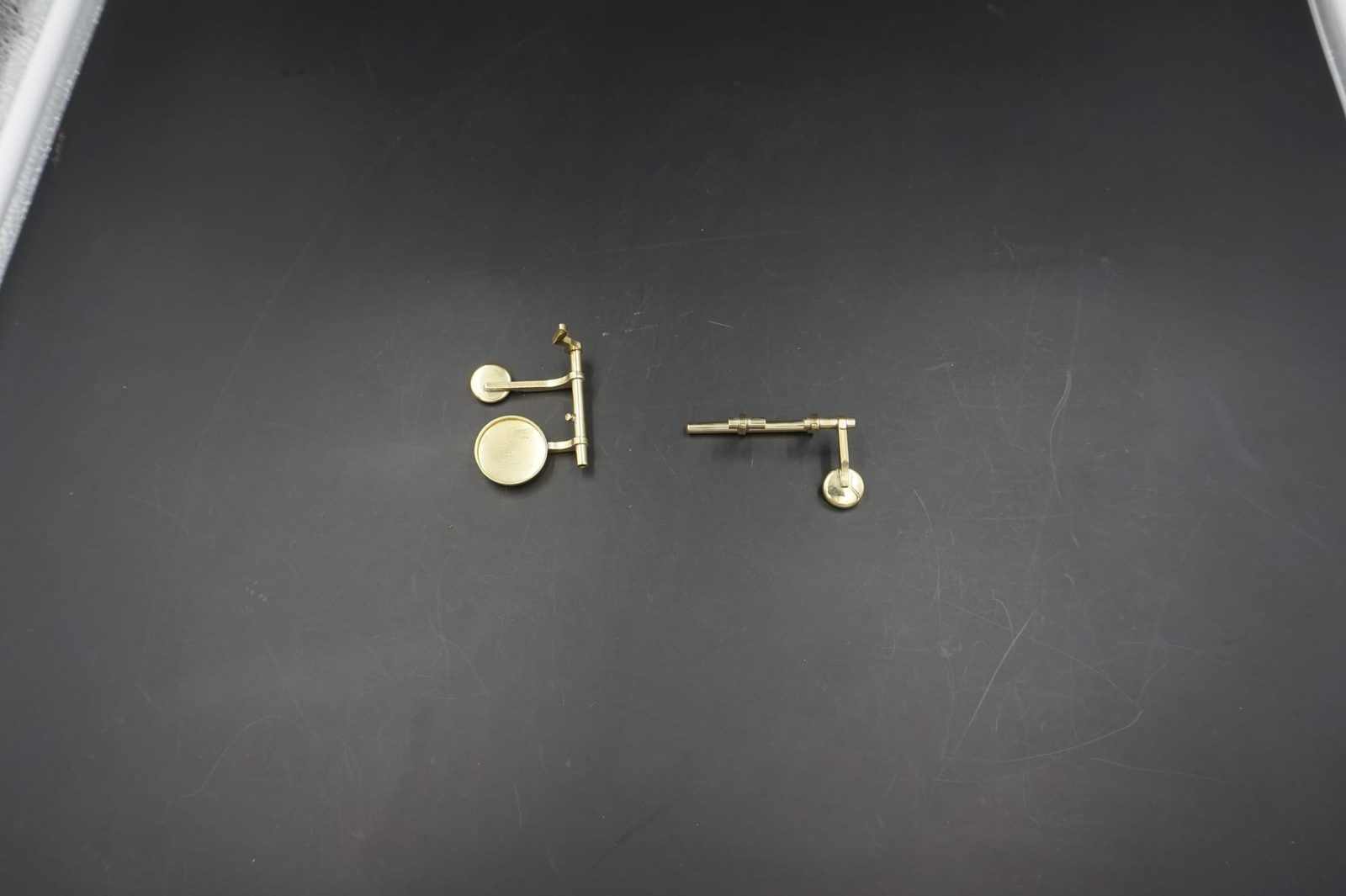
Stainless steel hardware and surgical parts
Stainless steel resists cutting and develops heat tint or iron stains if tumbled with dirty water. Pair ceramic cut-down with compound-JTJ20 or compound-LC10, then switch to compound-JTJ50 with high-alumina balls or magnetic pins for bright lustre. Keep stainless media strictly isolated from carbon steel dust so iron particles never embed into passive surfaces. Review our stainless steel finishes guide for full stage sequencing.
Brass, copper, and bronze fittings (where buyers often ask for Zam)
Silversmiths and bench jewellers love zam polishing compound on cloth wheels for brass, turquoise-set silver, and copper. In batch mass finishing, achieve bright, tarnish-free copper alloys using resin-bonded plastic cones with neutral fine metal compound (JTJ60 / HM3), followed by rapid spin drying or dry corn cob polishing cream tumbling. Fast drying is critical because copper alloys spot rapidly if left wet in baskets. See our copper alloy finishing guide for stain prevention.
Aluminium castings and CNC brackets
Aluminium turns dark grey or black immediately if tumbled in high-alkaline steel compounds. Keep aluminium strictly on neutral fine-metal compounds (JTJ60, JTS5, HM3) paired with lightweight resin-bonded plastic cones, and flush dirty aluminium fines out the drain continuously so oxidized mud never redeposits on soft castings. Check aluminum finishes for preventing dark smut before anodizing.
Acrylic and eyewear acetate frames
Clear PMMA and cellulose acetate soften under friction heat and craze if exposed to harsh alcohols or solvents. Use neutral water-based lubrication during wet plastic cut-down, rinse and spin-dry thoroughly, then brighten in dry walnut shell and corn cob dressed with dedicated plastic/acetate polishing cream inside ventilated bamboo or dry-polishing barrels. Confirm barrel temperature stays cool throughout dry plastic brightening.
Step-by-Step Compound & Media Conditioning Workflow
Following a disciplined compound routine keeps your grinding media clean and your batch finish consistent from Monday morning to Friday shift end.
| Stage | Wet Vibratory / Centrifugal Line | Dry Barrel Polishing Line | Key Operator Check |
|---|---|---|---|
| 1. Clean Parts First | Degrease cutting oil and heavy shop grime | Verify parts are smooth, clean, and completely bone-dry | Zero oil slicks or moisture entering the chamber |
| 2. Dose & Condition | Meter liquid compound steadily with clean water | Blend polishing cream into dry walnut/cob alone first | Even foam/lubrication or uniform dry granule coating |
| 3. Run & Monitor Drain | Confirm steady drain flow carrying swarf out | Check barrel warmth so plastic/brass never overheats | Clear drain outflow; zero greasy buildup in holes |
| 4. Rinse & Spin Dry | Flush clean water + spin-dry (35 / 70 models) |
Screen dry media cleanly; wipe/air-blow light dust | Spot-free, dry, clean parts ready for inspection |
[DESIGN: Step-by-step compound conditioning sequence showing clean parts entering a metered wet vibratory bowl and pre-blended dry walnut barrel]
Why plain water ruins both media and parts
Running ceramic or steel media in plain tap water lets metal fines weld back onto media pores (glazing) and triggers immediate orange flash rust on carbon steel. Always meter the matching liquid compound from start to finish so media stays open and parts stay corrosion-free.
Controlling foam height and drain clarity
Too much compound concentration creates thick foam blankets that cushion media impacts to zero and carry light parts over separation screens; too little leaves parts dull and stained. Follow steady metering dilution and watch the drain stream: clean translucent runoff means swarf is flushing properly out of the chamber.
Stripping oil-fouled media before starting a bright batch
If oily machined parts accidentally fouled your ceramic or high-alumina charge, brightening compound alone will never fix the haze. Run an empty wash cycle with clean water and compound—or use a media cleaning machine—to strip grease off the chips before loading the next batch. Clean media always outperforms heavy compound overdosing.

Retiring spent dry media before haze appears
Dry walnut shell and corn cob do not chip away; they gradually saturate with spent polishing cream and fine metal or plastic dust. Once dry media looks dark grey and leaves a cloudy film on parts, adding more cream only makes parts greasier—retire and replace the dry charge on schedule.
Common Compound Mistakes That Ruin Surface Finish
Avoid these four shop-floor chemistry traps when running wet or dry mass finishing.
[DESIGN: Troubleshooting grid showing four compound failures: wax-fouled ceramic from solid rouge bars, dark alkaline-stained aluminium, greasy paste packed in blind holes, and orange flash rust from plain water]
Dropping solid rouge or zam bars into a wet tumbler
Solid rouge polishing compound and zam polish bars never dissolve in water. They leave sticky wax lumps across media pores and workpieces while blinding bowl drain screens. Keep solid bars strictly on manual cloth wheels (which we do not sell), and use water-soluble liquid compounds inside wet chambers.
Applying dry polishing cream directly onto dry parts
Squeezing polishing cream straight onto parts inside a barrel packs dense paste inside screw threads, logos, and hinge knuckles, forcing operators into manual solvent cleanup afterward. Always pre-blend cream into the dry walnut shell or corn cob media alone before loading parts.
Mixing ferrous rust strippers with aluminium or brass
compound-MC8 is built for iron rust and carbon steel scale—running it on aluminium or brass etches soft non-ferrous metal rapidly and leaves dark blotches across flat surfaces. Keep MC8 strictly on ferrous descaling lines, and verify alloy compatibility before dosing any bowl.
Skipping clean rinse and spin drying after wet brightening
Even the best brightening compound (JTJ50, JTJ60, HM3) leaves cloudy mineral rings if allowed to air-dry on warm metal. Rinse promptly in clean water and dry inside a heat centrifugal spin dryer (35, 35A, 70, or 70A models) so warm air removes every drop of moisture.

How Xiamen Jin Tai Jin Supports Complete Machine & Compound Lines
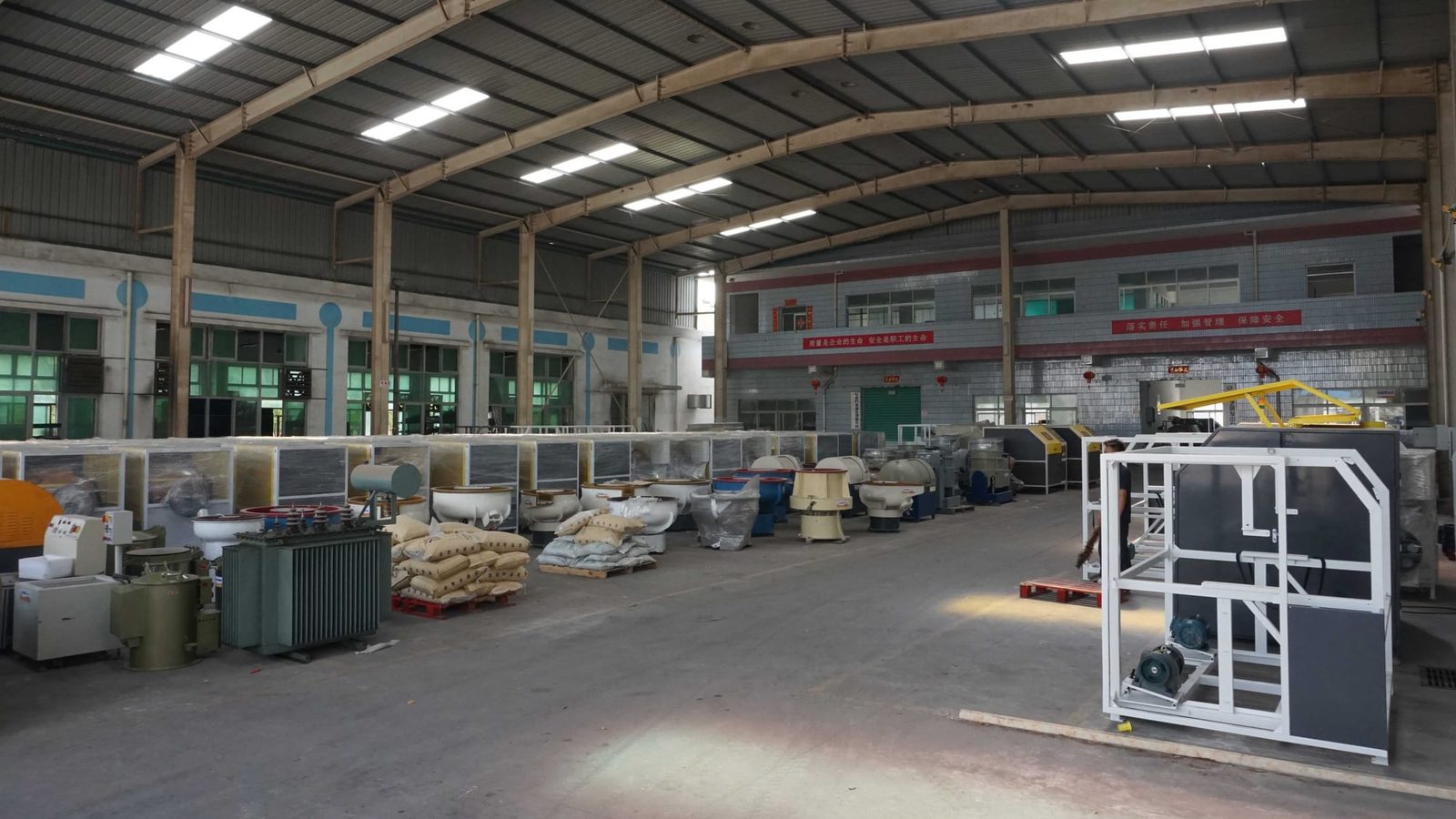
At Xiamen Jin Tai Jin Grinding Technology Co.,Ltd. (brand: Jings Polish), our workshop started in 1992 and our company was formally established in 2002, delivering over 200,000+ sets of grinding and polishing solutions to customers worldwide. Across our catalogue, we manufacture 21 machine platforms backed by 24 granted Chinese IP rights—including 1 invention patent, 17 utility model patents, and 6 design patents—under ISO 9001 certification 00726Q01571R001 (valid 2026-06-03 to 2029-06-02) and CE certifications M.2023.206.C88121 (Vertical, 8 models) and M.2023.206.C88120 (Horizontal, 13 models), valid until 2028-07-24.
Machines, media, and verified compounds we manufacture
We build vibratory bowls and troughs (ZL and L series), barrel finishing machines, centrifugal disc and barrel units (LLF120, LX series), drag finishers, magnetic polishers (OBD and HBPG series), heat centrifugal spin dryers (35, 35A, 70, 70A), and media cleaners for automated shop cells. Alongside equipment, we supply ceramic, plastic, high-alumina, steel, walnut shell, and corn cob media plus our verified MC8, LC10, JTJ20, JTJ25, JTJ50, JTJ60, JTS5, and HM3 liquid compounds and dry tumbling pastes for metal, plastic, and eyewear finishing lines.
Honest boundaries on what we do not sell or design
In line with our choosing a mass finishing supplier policy, we state our scope plainly before quoting any equipment or consumables. We do not sell cloth buffing wheels, solid zam or rouge wax bars for cloth wheels, handheld buffers, or blasting abrasives; we do not design custom chemical cleaning formulas; we do not offer plating, anodizing, passivation, or clear-coat sealing; and we do not operate a contract job shop or accept parts for paid polishing.
Standard and custom build lead times
Standard equipment and consumable orders ship within a 25 to 35 day production lead time once specifications are confirmed. Custom-engineered finishing lines, specialized separation layouts, and integrated drying cells require 45 to 60 days to build and test.
Requesting an initial assessment from part photos
We do not promise free mail-in sample trials or guarantee cycle times before inspecting your workpiece. Send clear close-up photos of your parts showing alloy grade, current surface marks, hole sizes, part dimensions, and target finish via our custom polishing solution page—our engineers can recommend the right machine, media, and compound setup directly from photos and drawings, including for job shop finishing.
Frequently Asked Questions
Can I put zam polishing compound or rouge bars into a wet tumbler?
No. Solid zam polishing compound and rouge polishing compound bars use hard waxes designed to melt under friction heat on a spinning cloth wheel. Inside a water-cooled tumbler, solid wax clogs media pores and blinds drains; use water-soluble liquid mass-finishing compounds instead so swarf flushes cleanly.
What is the difference between polishing cream and liquid mass-finishing compound?
Liquid compounds dilute in water for wet vibratory, centrifugal, rotary, and magnetic cycles to lubricate media, inhibit rust, and flush metal swarf. Dry polishing cream (or paste) is pre-blended into dry walnut shell or corn cob media inside rotary barrels for final dry brightening without water.
How do I apply polishing cream inside a dry tumbling barrel?
Always run the polishing cream with dry walnut shell or corn cob media alone until every granule is evenly coated and dry to the touch before adding parts. Never squeeze raw cream directly onto dry parts, or it will pack into slots, engraved logos, and blind threads.
Which Jings Polish compound should I use for stainless steel?
Use compound-MC8 for rust/scale stripping, compound-LC10 for heavy deburring, compound-JTJ20 for coarse stainless cutting, and compound-JTJ50 (or JTJ60 / HM3) for stainless brightening in high-alumina, steel, or magnetic pin baths.
Why did my parts come out dull and greasy after dry barrel polishing?
Dull, greasy parts mean the dry walnut or corn cob media is oversaturated with cream or contaminated with moisture and old dust. Screen out fines, confirm parts are completely bone-dry before loading, and refresh spent dry media on schedule rather than adding extra cream.
What details should I send before ordering compounds or a polishing machine?
Send clear close-up photos of your parts showing surface condition, burrs, and recesses, along with alloy type, overall dimensions, current upstream machining method, target finish, and daily batch volume. Our engineers can recommend the right machine architecture, media body, and compound code from photos and drawings before quoting.
[DESIGN: Annotated buyer enquiry checklist showing part photo angles, alloy grade notes, and compound stage requirements]
 +86-592-2381506


 IPv6 network supported
