
Corncob Media and Cob Media in Production: Drying, Brightening, and Dry-Stage Mass Finishing
Shop floors often load cob media into a barrel or bowl expecting it to behave like a gentle cutting stone, then wonder why machined burrs are still sharp at the end of a shift. Corncob media is not an abrasive cutter. It is an organic, cellulose-based dry-stage medium built to absorb residual water, lift compound film, carry dry brightening paste, and wipe metal or plastic parts to a clean, spot-free luster.
When used in the right stage—after wet deburring and centrifugal spin-drying—cob media prevents water stains, eliminates hand towel-wiping labor, and delivers consistent dry brightening across brass casings, stainless fasteners, copper contacts, and acrylic hardware. For a broader view of how organic media fits alongside ceramic and plastic bodies, see our tumbler media selection matrix.
What Corncob Media Actually Does in Mass Finishing
Understanding the physical behavior of corncob media prevents the two most common shop-floor mistakes: using it to remove metal burrs, or dumping dripping-wet parts straight into a dry bowl.

Absorption and Wiping Physics Instead of Metal Cutting
Crushed corncob granules are porous, resilient, and softer than any structural metal. When vibrated or tumbled against workpieces, the granules wick moisture into their internal pore structure while thousands of soft edges wipe away microscopic compound residue and light tarnish film. They flatten neither tool marks nor heavy parting lines—they polish and dry what the wet stages already smoothed. If your parts still carry machining lines or sharp edges, run a wet stage in vibratory grinding equipment before touching organic media.
Carrying Dry Brightening Compounds
In dry brightening cycles, cob media acts as a mechanical carrier for fine dry polishing compounds or creams. A small, measured dose coats the granules so each contact leaves a thin, uniform gloss on brass, copper, silver-plated contacts, or pre-smoothed stainless steel without the streaking caused by liquid dips. Compare dry-carrier creams against wheel bars in our polishing cream and zam guide.
Cushioning Delicate Parts During Drying
Unlike hard ceramic or steel shot, low-density corncob media cushions thin stampings, threaded fittings, and soft non-ferrous alloys. Parts remain suspended inside a soft moving bed instead of slamming against steel walls or neighboring parts. That cushioning makes corncob especially valuable for thin-walled aluminum parts and optical plastics that bruise easily in bare metal baskets.
[DESIGN: Four-panel comparison showing corncob media functions: moisture wicking, compound carrying, gentle wiping, and part cushioning]
Where Cob Media Fits in a Multi-Stage Sequence
A reliable production sequence keeps wet cutting and dry corncob media finishing strictly separated so water and compound sludge never enter the dry bed:
| Stage | Primary Purpose | Typical Media & Compound | Equipment Format |
|---|---|---|---|
| Stage 1: Wet Deburr / Cut | Remove burrs and tool lines | Preformed ceramic or plastic media + LC10 |
Vibratory bowl or octagonal barrel |
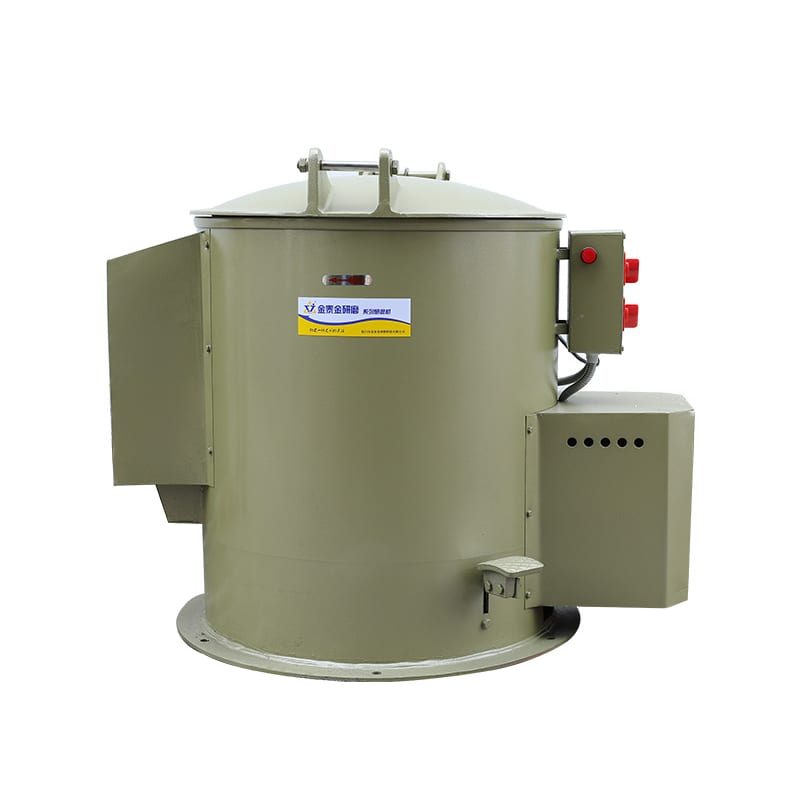
| Stage 2: Rinse & Spin-Dry | Flush sludge and strip bulk water | Clean water + heated centrifugal spin dryer | Centrifugal spin dryer |
| Stage 3: Dry Wipe & Brighten | Remove final moisture and add dry luster | Treated corncob media or walnut shell | Heated vibratory dryer or dry rotary barrel |
| Stage 4: Screen & Inspect | Separate media from parts cleanly | Mesh deck screen | Vibratory separator |
Heated Vibratory Dryers vs. Dry Rotary Barrels for Cob Media
Choosing the right chamber for cob media determines both cycle speed and how long a single charge of media lasts before clumping.
Heated Vibratory Bowl Dryers for Fast Moisture Removal
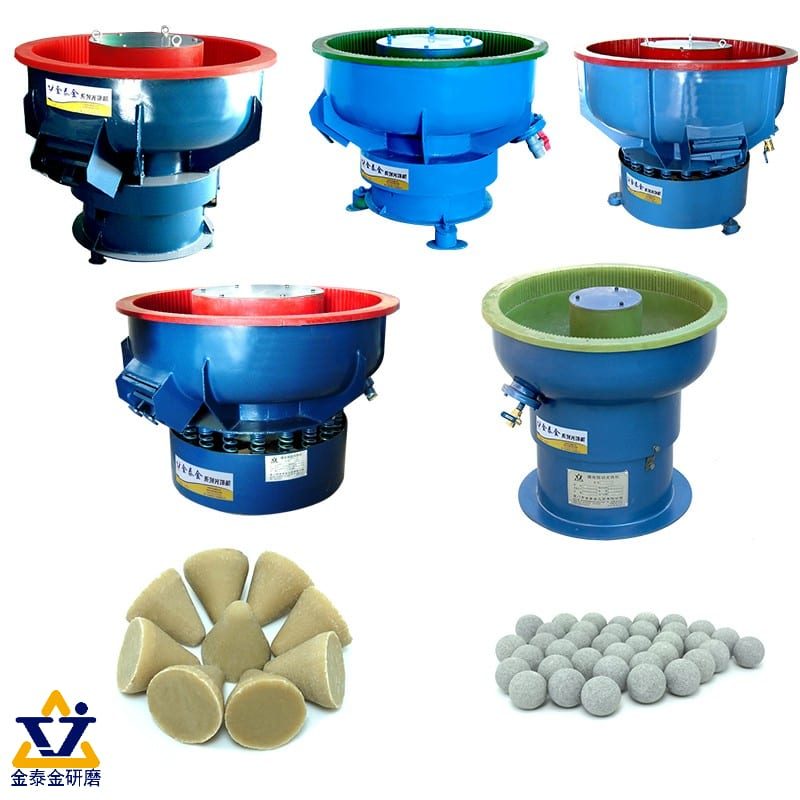
Heated vibratory dryers pair an annular bowl with under-bowl heating elements and continuous air movement. As parts spiral through warm corncob media, heat drives absorbed water out of the granules as vapor rather than letting it accumulate. For high-throughput screw-machine shops and plating-prep lines, heated vibratory bowls keep the media bed dry all shift.
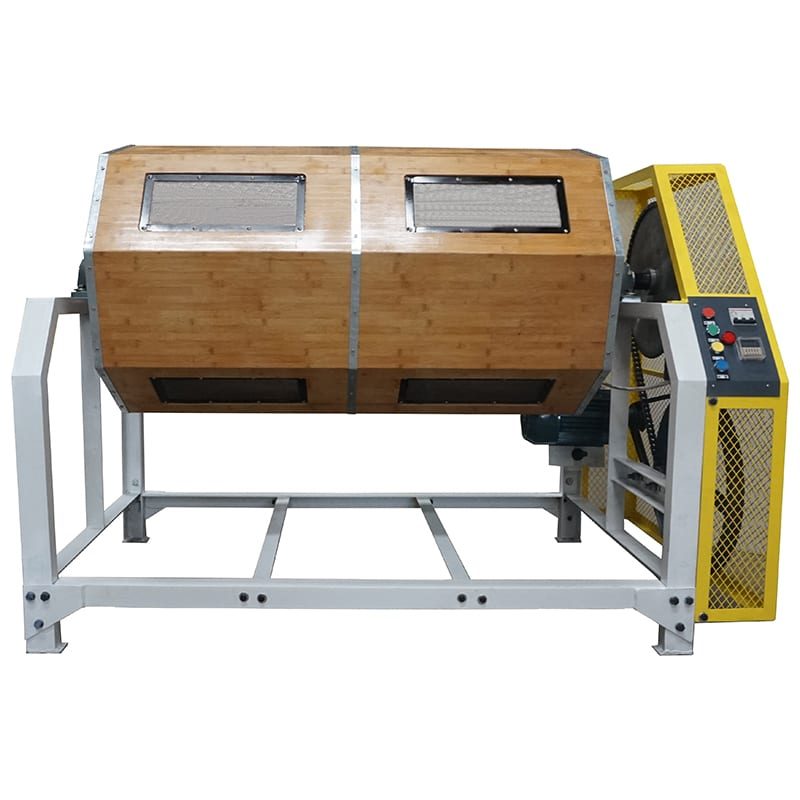
Double-Deck Dry Rotary Barrels for Extended Brightening
When the primary goal is dry gloss rather than rapid water removal—such as brass watch bezels, acrylic frames, or silver jewelry—a dry rotary barrel provides gentle sliding contact over an extended dry cycle without overheating heat-sensitive plastics or over-drying compound-treated cob. Double-deck dry barrels also let shops run two different organic grits simultaneously.
Why Open-Top Bowls Outperform Sealed Barrels on Wet Parts
Loading damp metal parts into an unvented, unheated sealed barrel traps steam inside the chamber. Rapidly, the corncob media turns gummy, packs into blind holes, and leaves a blotchy film on the parts. Always vent moisture or pre-dry parts in a centrifugal spin dryer before sealing a dry barrel.
Matching Chamber Size and Media Volume
Organic cob media has low bulk density compared to ceramic or steel. Underfilling a vibratory bowl reduces circulation pressure and leaves parts riding on top of the bed; filling the chamber to its rated working line ensures parts stay submerged in the moving granule stream. On large-part lines, verify that the bowl width gives workpieces room to turn freely without bridging against the center column.
Selecting Corncob Mesh Size and Comparing Organic Media
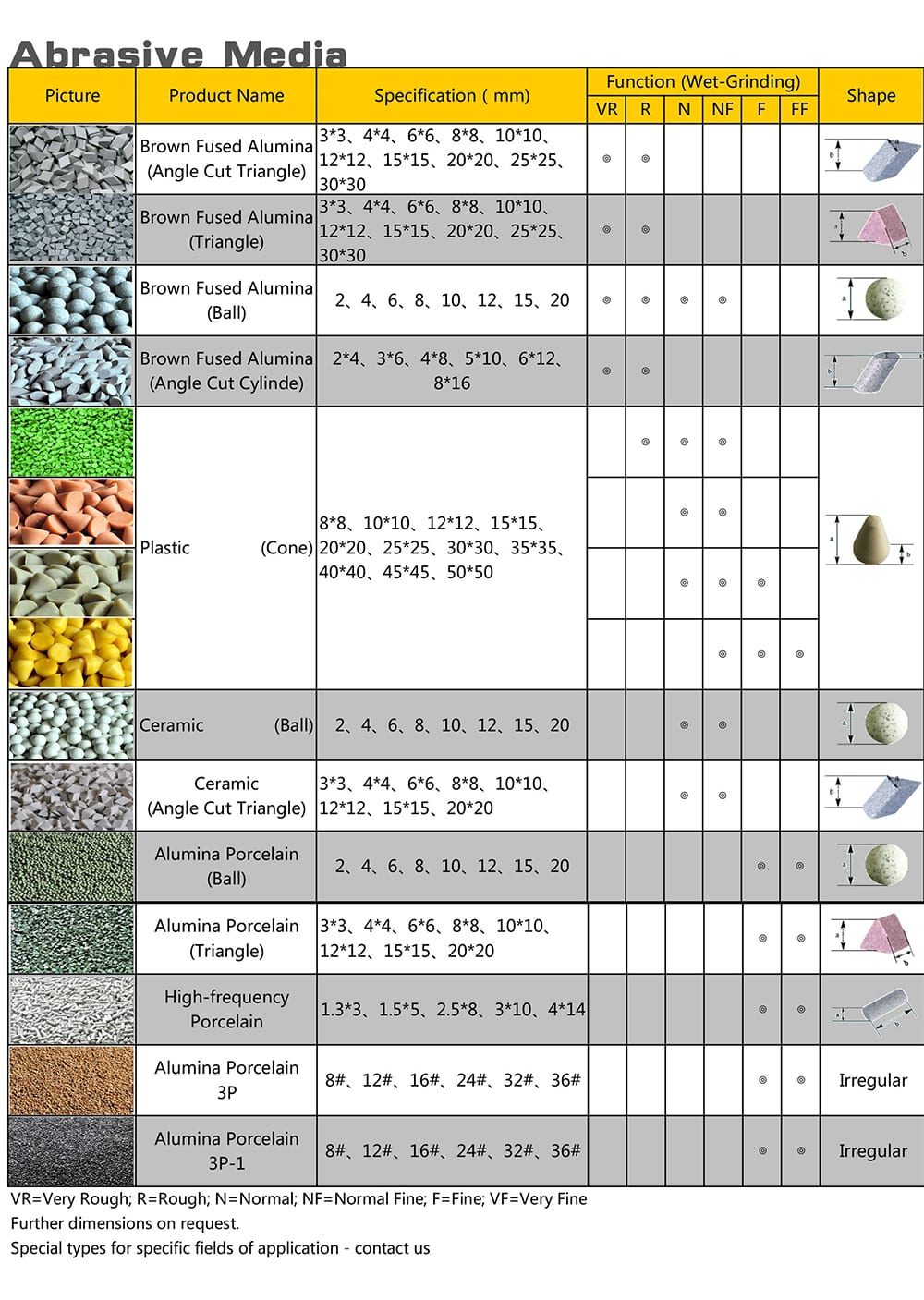
Granule sizing controls both surface contact speed and whether granules wedge inside slots, threads, and internal bores.
Fine-Grade Cob for Smooth Drying and Complex Profiles
Fine corncob media flows easily around intricate stampings, knurled nuts, and delicate springs. It dries fast in heated bowls and leaves minimal dust when properly pre-screened, though fine granules can cling inside deep blind threads if parts are still oily.
Coarse-Grade Cob for Fast Separation and Heavy Hardware
Coarse cob media separates cleanly across vibratory screens and resists lodging in medium slots. It works well for brass valve bodies, cartridge casings, and stamped brackets where rapid screening matters more than reaching sub-millimeter recesses.
Corncob Media vs. Walnut Shell vs. Hardwood Cubes
Shops often treat all organic media as interchangeable. Each material carries a distinct hardness, oil-absorption rate, and service life:
| Organic Media Type | Relative Hardness | Primary Strength | Typical Failure if Misused |
|---|---|---|---|
| Corncob Media | Softest | High water/oil absorption, spot-free drying, gentle wipe | Clumps if loaded wet; zero burr cutting |
| Crushed Walnut Shell | Medium organic | Faster dry sheen on brass, steel, and acrylic | Leaves light micro-haze on very soft clear plastics |
| Hardwood Cubes / Pegs | Firm organic | Long-cycle dry polishing for eyewear and castings | Slow water absorption; needs dry compound conditioning |
Treated vs. Untreated Cob Media
Untreated corncob media is best for pure drying and light oil removal after machining or wet tumbling. Compound-treated cob is reserved for dedicated dry brightening cells where a consistent mirror-like sheen is needed without adding liquid water. Keep treated and untreated charges in separate barrels so dry brightening compound does not contaminate parts headed for electroplating or adhesive bonding. When storing spare bags of either grade, seal them in dry, off-floor containers because ambient shop humidity causes open cob sacks to absorb moisture before they even reach the dryer.
[DESIGN: Four-stage workflow diagram showing wet cut, spin-dry, heated cob drying, and mesh separation]
Controlling Moisture, Pre-Drying, and Media Life
The single biggest factor governing corncob media cost per part is incoming moisture control. A charge that stays dry lasts across shifts; a charge flooded with dirty rinse water fails immediately.
Why Centrifugal Spin-Drying Precedes the Cob Bowl
A heated centrifugal spin dryer strips surface water and trapped droplets from threads and pockets using high-speed rotation and warm air. Passing parts through a spin-dry step before the cob dryer cuts the water load entering the corncob media dramatically, keeping the bed loose, warm, and free-flowing. Without that pre-dry step, heavy parts carry pooled water inside blind bores straight into the bowl, causing localized clumping around internal threads and turning the organic bed into paste before the shift is halfway done.
Managing Oil Carryover From Machined Parts
Some screw-machined brass and steel parts go straight into cob media for oil removal without a wet tumbling step. Light machining oil is absorbed quickly, but heavy cutting grease saturates granules and coats the bowl wall. Degrease heavily oiled parts in an aqueous wash before dry cob wiping. Once oil-soaked granules turn dark brown and sticky, they no longer wipe parts clean—they transfer a dull film onto every subsequent batch until the fouled charge is dumped and replaced.
Screening Out Fines and Refreshing the Bed
As cob media tumbles, sharp corners gradually round off and break into fine dust. Periodically screening out fines and topping up with fresh granules preserves both absorption capacity and separation speed. Never mix fresh coarse cob with badly pulverized dust without screening first, because fine cellulose powder fills the spaces between fresh granules and blocks airflow inside heated vibratory dryers.

Preventing Cross-Contamination Between Alloys
Never share the same corncob media charge between carbon steel, brass, and clear plastics. Metal dust embedded in soft cob granules scratches acrylic polish batches immediately, while brass residue and dark iron oxides can stain bright stainless components. Dedicate labeled drums or barrels to each material family, and clean the bowl liner and screen deck thoroughly whenever a machine switches between alloy groups.
Avoiding Flash Rust Between Wet Rinsing and Cob Drying
Carbon steel and cast-iron parts begin oxidizing within moments of leaving an aqueous wet-deburr bath if left sitting in open baskets. Keep a rust-inhibiting rinse or clean MC8 / LC10 wash stage immediately upstream of the heated centrifugal spin dryer, then transfer warm, spin-dried parts straight into warm corncob media. Running warm parts into a pre-heated cob bed evaporates residual surface film before flash rust can form on machined faces.
Solving Moisture, Clumping, Dust, and Lodging Failures
Most corncob media complaints trace back to moisture overload, worn-out granules, or poor size selection rather than a defect in the media itself.
Failure Mode 1: Muddy Clumps and Packed Blind Holes
When parts enter a cob dryer dripping wet—or with un-rinsed wet compound still clinging to them—the corncob media swells into doughy clumps that pack into threaded bores and primer pockets.
Diagnostic rule: If clumped cob appears inside blind holes early in the cycle, incoming parts are carrying too much free water or soap residue—add a warm rinse and a centrifugal spin-dry step before the cob bowl.
Failure Mode 2: Dusty Film on Finished Parts
Over-cycled cob media breaks down into fine cellulose powder. Instead of wiping parts clean, the powder clings to static-charged plastics or damp metal corners.
Diagnostic rule: If parts emerge dry yet coated in fine tan dust, the cob charge has oxidized past its service life or the screening airflow is blocked—screen out fine powder and refresh the bed with new media.
Failure Mode 3: Granules Wedged in Slots and Threads
Even soft corncob media wedges tightly when two granules jam side-by-side across a slot width or inside a deep blind pocket.
Diagnostic rule: Size cob granules either noticeably smaller than the narrowest slot width or noticeably larger than the slot opening; never run granules roughly equal to the slot or bore diameter.
Failure Mode 4: Water Spots Despite Using a Cob Dryer
If brass or stainless steel exits a heated cob dryer with faint ring marks, water evaporated on the surface before the granules physically wiped it, or the cob bed itself is saturated with dissolved salts from hard rinse water.
| Symptom on Exit | Root Cause | Immediate Fix |
|---|---|---|
| Wet clumps in holes | Free water / soap carryover | Spin-dry cleanly before loading cob |
| Tan dust clinging to parts | Spent, pulverized cob charge | Screen fines and top up fresh cob |
| Water-spot rings on brass | Hard rinse water / saturated cob | Use clean rinse; bake/refresh cob |
| Wedged granules in slots | Media size matches slot width | Switch to finer or coarser cob grade |
[DESIGN: Troubleshooting decision matrix linking exit defects on dried parts to moisture, mesh, and media-life fixes]
Part-by-Part Applications: Brass, Stainless, Aluminum, and Acrylic
Different alloys and plastics respond differently to corncob media depending on surface hardness, thermal sensitivity, and part geometry.

Brass Casings, Valves, and Hardware
Brass tarnishes rapidly if left air-drying after wet burnishing. Moving spun-dry brass parts immediately into warm corncob media prevents water-spot oxidation and lifts dull soap film, leaving uniform bright hardware ready for packaging. For precious-metal hardware or jewelry, see our finishing gold guide.
Stainless Steel Fasteners, Flatware, and Medical Clips
On 304 and 316 stainless steel, cob media does not alter surface roughness—it guarantees a dry, residue-free finish after JTJ50 wet brightening and centrifugal spin-drying, preventing rust spots on 400-series martensitic grades during storage. This dry step pairs directly with flatware finishing and tumble deburr workflows.
Aluminum Stampings and Castings
Aluminum brackets and housings stain easily in alkaline rinse water. Passing rinsed, spin-dried aluminum through clean corncob media removes residual droplets from recesses without bruising soft edges, unlike steel shot or heavy ceramic. Keep wet smoothing in resin-bonded plastic or porcelain media beforehand.
Acrylic, Acetate, and Eyewear Plastics
In dry multi-stage finishing for acrylic polish and eyewear frames, fine cob media serves as the final wipe-down stage after walnut shell and wood-peg polishing, lifting trace compound wax without scratching clear PMMA or warping thin cellulose acetate temples.
Honest Capability Boundaries and Production Standards
Knowing what corncob media and mass finishing equipment will not do saves weeks of wasted shop trials and keeps procurement realistic.
What Cob Media Cannot Do
Corncob media will not remove CNC milling marks, saw burrs, laser slag, weld discoloration, or deep scratches. Attempting to cut metal with corncob only heats the parts and pulverizes the granules. All dimensional deburring and surface smoothing must happen in wet ceramic, plastic, or porcelain stages beforehand. Compare abrasive bodies in our ceramic media vs. rotary barrel guide.
What We Supply and What We Do Not Supply
At Xiamen Jin Tai Jin Grinding Technology Co.,Ltd. (brand: Jings Polish), our workshop roots date back to 1996 and our company was formally established in 2009, delivering over 200,000+ sets of grinding and polishing solutions worldwide. Across our catalogue, we manufacture 21 machine platforms backed by 24 granted Chinese IP rights (1 invention patent, 15 utility model patents, and 8 design patents), under ISO 9001 certification 00726Q01571R001 (valid 2026-06-03 to 2029-06-02) and CE certifications M.2023.206.C88121 (Vertical, 8 models) and M.2023.206.C88120 (Horizontal, 13 models), valid until 2028-07-24.
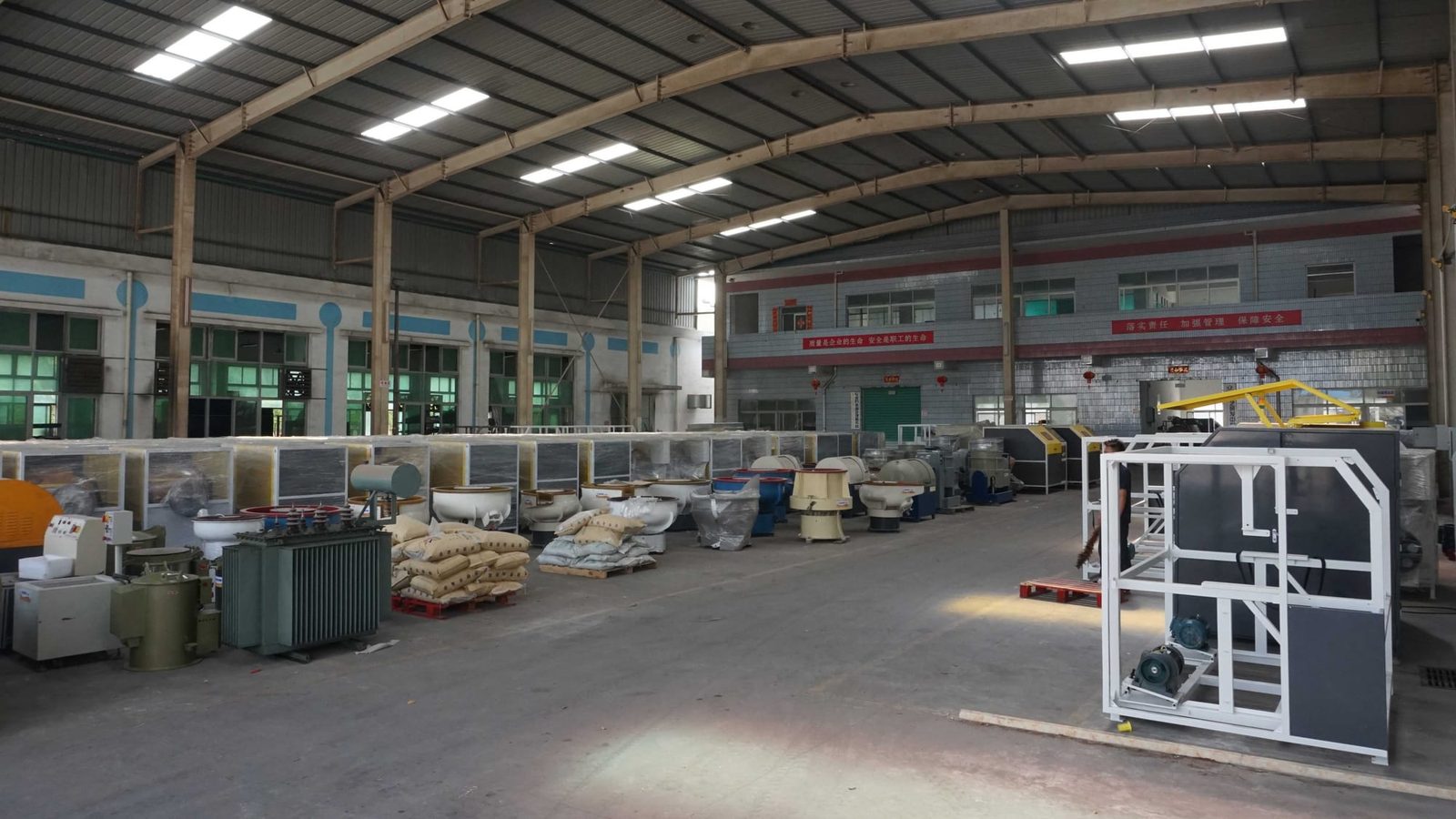
To keep expectations clear: we supply industrial mass finishing machines (vibratory dryers, centrifugal spin dryers, rotary barrels, vibratory bowls) and mass-finishing organic media (corncob, walnut shell, wood media) alongside our compounds; we do NOT supply air-blast or wheel-blast grit, abrasive wheel pastes, or agricultural/food-grade cob products, and we do NOT provide subcontract job-shop tumbling services.
Honest Lead Times and Remote Assessment
Standard machines ship in 25–35 days, while custom-configured drying or multi-stage lines require 45–60 days. Because moisture load and part geometry vary widely, we do not promise free sample trials by mail or guarantee cycle times before reviewing your parts—send clear photos of your workpieces, target finish, and hourly throughput via our custom polishing solution page for an initial engineering review.
Frequently Asked Questions
Can corncob media remove burrs or scratches from metal parts?
No. Corncob media is a soft cellulose drying and wiping medium, not a cutting abrasive. Use ceramic or resin-bonded plastic media in a wet vibratory or rotary chamber to remove burrs first, then transfer spin-dried parts to corncob for spot-free drying and final dry luster.
Should I put wet parts directly from a vibratory tumbler into cob media?
No. Loading dripping-wet parts directly into cob media saturates the granules, causes clumping inside holes, and ruins the charge quickly. Always rinse parts clean and run them through a heated centrifugal spin dryer before loading them into the corncob dryer.
How long does a charge of corncob media last in production?
In a properly heated vibratory dryer fed with spin-dried parts, a charge of cob media typically runs across multiple shifts before gradual dust breakdown requires screening fines and topping up with fresh granules. If fed dripping-wet or oily parts, the bed can clump and foul within a single shift.
What granule size of cob media should I choose for brass casings or threaded parts?
For medium brass casings and standard hardware, coarse corncob media separates cleanly on screens and resists lodging in primer pockets. For fine threads, small springs, or delicate electronics, fine-grade granules flow freely without wedging.
What is the difference between corncob media and walnut shell media?
Corncob media is softer and more absorbent, making it superior for moisture wicking, spot-free drying, and gentle final wiping on clear plastics and soft metals. Crushed walnut shell is harder and slightly more aggressive, suited for dry pre-polishing and light sheen building on brass, steel, and acrylic.
What information should I share before requesting a quote for a cob drying line?
Send clear photos of your parts showing blind holes or slots, alloy or plastic type, upstream wet-tumbling chemistry, target hourly batch weight, and whether you already have a spin dryer. Our engineers can recommend the right bowl size, heater capacity, and cob grade from photos and drawings.
[DESIGN: Annotated buyer enquiry checklist showing part photos, hole/slot dimensions, spin-dryer status, and hourly throughput]
 +86-592-2381506


 IPv6 network supported
