
Polishing Carbon Steel and Mild Steel Finishing in Production: Descaling, Deburring, and Rust Control
Production engineers searching for polishing carbon steel or mild steel finishing often discover that carbon steel punishes mistakes faster than 304 stainless. Unlike corrosion-resistant stainless alloys, plain carbon steel and mild steel arrive from stamping presses, laser tables, and hot-rolling mills with hard black mill scale, sharp dross, and heavy cutting oils—and begin forming orange flash rust within minutes of leaving a wet tumbling bath if rinsing and drying are mishandled.
The core thesis of this guide is straightforward: successful mild steel finishing requires a strict three-part discipline—stripping oxide scale and oil with active derusting chemistry, cutting burrs in dense ceramic media, and locking out flash rust through immediate rust-inhibiting rinsing and heated centrifugal spin-drying. For related scale-removal details, see our mill scale on steel guide and sheet metal deslagging guide.
Why Mild Steel and Carbon Steel Behave Differently From Stainless
Treating carbon steel like 304 stainless steel inside a vibratory bowl leads to dull, pitted, or rusted parts before the shift ends.

Hot-Rolled Mill Scale and Laser Oxide Are Harder Than Base Steel
Mild steel plate and hot-rolled bar carry a brittle outer layer of iron oxide scale, while laser-cut carbon steel edges carry hardened heat-affected slag. Plain burnishing media slides right over that dark oxide skin without removing it. Active chemical descaling (MC8) paired with high-density ceramic cutting media is required to fracture and strip scale down to clean bare metal.
Active Corrosion Starts Immediately After Wet Unloading
Bare mild steel has no passive chromium-oxide layer. The moment wet carbon steel parts leave an aqueous vibratory bowl and hit humid shop air, dissolved oxygen attacks exposed iron, creating orange flash rust spots along edges and inside stamped holes.
High-Carbon Steels Require Careful Acid Exposure Limits
Spring steels and heat-treated high-carbon fasteners are more sensitive to prolonged strong-acid pickling, which can embrittle stressed parts or leave dark smut. Controlled neutral-to-mild-acid mass-finishing chemistry (MC8 for scale/rust, LC10 for clean deburring) strips surface oxide mechanically with media contact rather than relying on harsh static acid baths.
| Alloy / Condition | Primary Surface Challenge | Typical Mistake | Controlled Mass-Finishing Solution |
|---|---|---|---|
| Hot-rolled mild steel plate | Hard black mill scale | Trying to burnish over scale | Dense ceramic media + MC8 descaling cycle |
| Laser-cut carbon steel brackets | Sharp edge slag & oxide rim | Under-cutting in soft plastic media | Heavy ceramic triangles + LC10 + MC8 |
| CNC-machined 1045 / 4140 steel | Tool ridges & cutting oil | Loading oily parts straight into bowl | Aqueous degrease → ceramic cut → rust-inhibited rinse |
| Stamped mild steel clips | Sharp burrs & flash rust risk | Air-drying in open wire baskets | Rust-inhibiting rinse + heated spin-dry + cob wipe |
[DESIGN: Four-panel comparison showing carbon steel challenges: black mill scale, laser edge dross, flash rust, and clean descaled metal]
Choosing Chambers for Mild Steel Finishing: Vibratory Bowls vs. Rotary Barrels
Chamber motion controls cut speed, edge radiusing, and whether heavy steel brackets dent each other during processing.

Polyurethane-Lined Vibratory Bowls for High-Throughput Deburring
For stamped mild steel brackets, CNC shafts, and laser-cut plates, a heavy-duty vibratory grinder with thick polyurethane lining delivers continuous part inspection, metered LC10 or MC8 flow-through, and clean separation across built-in screen decks. Continuous water flow flushes dark iron oxide sludge out of the bowl rather than letting it stain freshly exposed steel.
Octagonal Rotary Barrels for Aggressive Scale Stripping
When thick hot-rolled forgings or heavy carbon steel hardware carry stubborn mill scale, an octagonal rotary barrel concentrates tumbling weight inside the sliding cascade. Rotary barrels strip heavy scale efficiently when paired with dense ceramic triangles and MC8 chemistry, though they require manual unloading and external screening.
Rectangular Vibratory Troughs With Dividers for Long Shafts and Bars
Long carbon steel shafts, heavy weldments, and large flat plates jam inside circular bowls and collide violently. A rectangular vibratory trough with removable dividers keeps long or heavy mild steel parts separated while heavy ceramic media scrubs every face uniformly.
Centrifugal Disc Finishers for Small Precision Steel Components
For small high-volume carbon steel gears, pins, and linkages needing rapid edge radiusing, a centrifugal disc finisher accelerates media velocity several times over standard vibratory bowls, cutting cycle times dramatically on compact parts.

Selecting Ceramic Media, Alumina Shapes, and Burnishing Media
Matching media density and geometry to mild steel hardness determines how fast burrs and scale disappear.
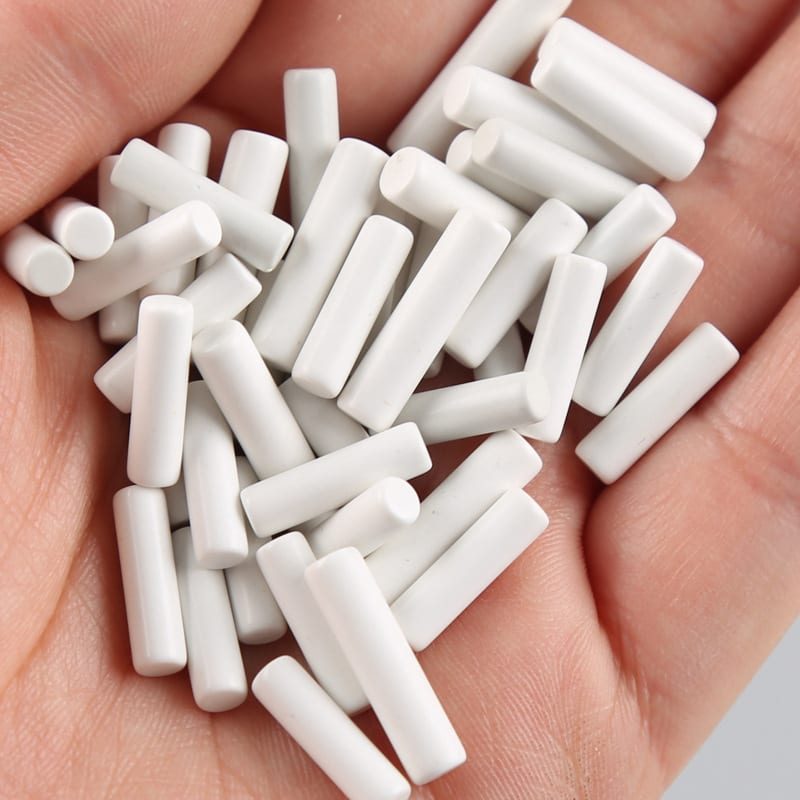
High-Density Ceramic Triangles and Angle-Cut Cylinders for Cut-Down
Carbon and mild steel require sharp, dense preformed ceramic shapes to break laser slag and machine burrs. Angle-cut cylinders reach inside circular bores and angled slots, while triangles scrub flat plate faces and outer corners cleanly. See our ceramic wheel and rotary polisher guide for shape selection.
Why Soft Plastic Media and Pumice Fail on Raw Carbon Steel
Resin-bonded plastic cones and pumice abrasive wear down rapidly against tough steel burrs and mill scale without creating meaningful edge radii. Reserve plastic media for light final pre-polish on soft non-ferrous metals or gentle smoothing after heavy ceramic deburring.
High-Alumina Porcelain and Stainless Burnishing for Bright Steel
Once burrs and oxide scale are completely gone, rinsed carbon steel parts can move into high-alumina porcelain spheres or stainless steel burnishing media with JTJ50 or JTS5 compound to compress surface peaks and build a clean, reflective commercial shine—always followed by immediate rust protection.
Sizing Media to Prevent Lodging in Stamped Slots
Carbon steel stampings often contain mounting slots, weld nuts, and lightening holes. Size every ceramic triangle or cylinder noticeably larger than the widest slot or smaller than one-third of the narrowest hole so stones never wedge inside parts.
[DESIGN: Four-stage mild steel finishing workflow: degrease/descale, ceramic deburr, rust-inhibited rinse, and heated spin-dry]
Chemistry Control: MC8, LC10, and Rust-Inhibiting Rinses
With mild steel finishing, liquid chemistry is doing half the work—dissolving oxide scale, suspending iron fines, and protecting bare iron from oxygen.
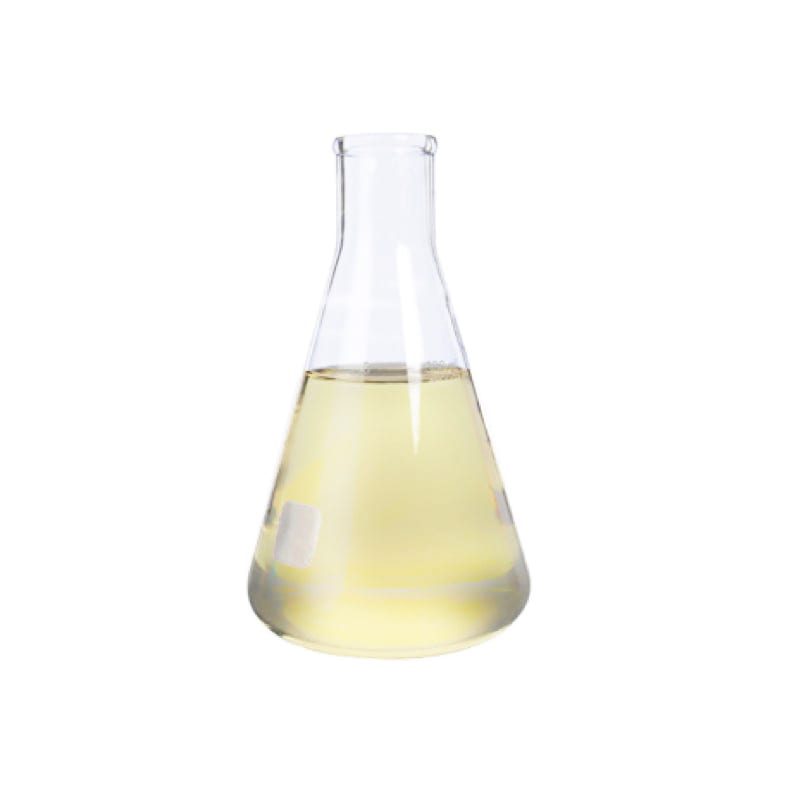
Stripping Rust and Scale With MC8
When incoming steel carries red storage rust, heat-treat scale, or dark hot-rolled mill scale, running MC8 derusting compound alongside ceramic media softens and lifts oxide layers rapidly so mechanical scrubbing exposes clean bright steel without excessive stock removal.
Deburring and Soil Suspension With LC10
Once heavy scale is gone—or on clean cold-rolled CNC steel—LC10 deburring compound provides high lubricity, keeps dark iron fines suspended in the drain stream, and prevents media glazing so ceramic stones stay sharp and free-cutting across the entire shift.
Neutralizing and Passivating the Rinse Stage Against Flash Rust
Never transfer freshly descaled carbon steel from an acidic or un-inhibited wash straight into open air. Always flush parts with clean water containing a dedicated rust-inhibiting rinse before unloading into drying baskets, giving bare mild steel temporary corrosion protection during handling and inspection.
Preventing Dark Smut on High-Carbon Alloys
Running overly strong acidic solutions on high-carbon steel without sufficient flow-through water leaves a black carbon smut film across the surface. Keep flow-through water steady and rinse parts immediately upon reaching clean metal. If dark smut still forms on hardened spring steel or tool-steel parts, shorten the MC8 descaling contact time and transition earlier into LC10 neutral-alkaline deburring chemistry to lift surface carbon cleanly.
Settling Iron Oxide Sludge Out of Vibratory Drains
Stripping hot-rolled mill scale and cutting burrs off carbon steel generates heavy, dark iron-oxide slurry. Letting that slurry recirculate back into the bowl coats ceramic stones in rust-colored mud and stains freshly finished steel. Route discharge water through a multi-baffle settling tank before reuse or disposal, and flush the bowl floor at the end of every shift so iron sludge never cakes under the polyurethane screen deck.
Separating Carbon Steel Charges From Stainless and Brass
Never run carbon steel or mild steel parts in the same ceramic media charge, rinse basket, or centrifugal spin-dryer liner used for 304 stainless steel or brass. Microscopic iron dust transferred from mild steel embeds into stainless surfaces and causes brown rust spotting during humid storage—an expensive failure on sanitary or marine hardware. Label dedicated media drums, screen decks, and drying baskets strictly by alloy family.
Inspecting Edge Radius and Coating Readiness
Before releasing a finished mild steel batch to powder coating, e-coat, or zinc plating, check two physical criteria under bright inspection light: confirm that sharp laser or stamping edges have a smooth, uniform tactile radius that paint can wrap around without pulling thin, and verify zero water spots, oil smears, or powdery smut remain inside weld nuts or blind pockets. Passing a clean white cloth across random flat faces instantly exposes residual iron smut before parts ever reach the paint hook.
Balancing Media-to-Part Volume on Heavy Steel Brackets
Thick mild steel brackets and forged linkages carry substantial weight per piece. Overloading a vibratory bowl with too many heavy steel parts relative to ceramic media causes parts to crash against each other along the outer wall, leaving deep edge nicks and bent mounting tabs. Keep the media bed generous, monitor load movement visually so every part stays cushioned in the rolling ceramic stream, and move oversized weldments into a divided rectangular vibratory trough.

Drying and Post-Finish Protection for Carbon Steel
Even the cleanest deburred mild steel batch will rust overnight if residual water sits inside threads or overlapping stampings.

Immediate Heated Centrifugal Spin-Drying
Transfer rinsed carbon steel parts straight into a heated centrifugal spin dryer. High-speed centrifugal force strips water out of bolt holes and threads within seconds while warm air flashes off remaining surface moisture before oxidation starts.
Warm Corncob Media Wiping for Spot-Free Bright Steel
For precision carbon steel hardware or bright burnished parts where even tiny dried rinse spots are unacceptable, passing spin-dried parts briefly through warm corncob media wipes every face completely dry. Keep carbon steel cob charges strictly separated from brass or acrylic cob charges.
Storage, Oiling, and Downstream Coating Prep
After spin-drying, bare mild steel headed for powder coating or electroplating should be kept in dry, covered totes and coated promptly before ambient humidity breaks through temporary rust inhibitors. Parts staying bare in storage require a light protective oil film immediately after inspection. Never leave freshly descaled carbon steel sitting next to open acid pickling tanks or damp wash bays, because corrosive shop vapors attack clean bare iron rapidly and undo an entire batch of careful finishing work.
Pre-Plate vs. Pre-Paint Surface Targets on Mild Steel
Not every mild steel finishing job aims for the same surface roughness. Parts headed for decorative bright zinc or nickel electroplating need both burr removal and smooth, uniform surface compression—often requiring a two-stage sequence from ceramic cut into high-alumina porcelain burnishing—so plating reflects cleanly without highlighting grinding scratches. Parts headed for powder coating or industrial e-coat only need clean scale removal, rounded laser edges, and a uniform matte anchor skin that paint grips reliably without edge pull-back. Defining your downstream coating spec before ordering media avoids unnecessary second-stage burnishing cycles.
Handling Laser-Cut vs. Stamped Mild Steel Edges
Laser-cut carbon steel brackets carry a thin, brittle, heat-hardened oxide rim along the kerf wall that chips away unevenly if tumbled only in light media. Stamped mild steel clips carry softer, work-hardened rollover burrs that bend if hit too gently. Both edge types respond reliably when paired with dense preformed ceramic triangles and LC10 deburring chemistry, provided MC8 descaling strips laser oxide first where heavy dross is present. Matching ceramic cut aggressiveness to the incoming edge condition keeps cycle times predictable across mixed laser and press-shop production schedules.
| Downstream Process After Tumbling | Recommended Drying & Post-Treatment | What to Avoid |
|---|---|---|
| Electroplating or e-coat | Clean rust-inhibited rinse + heated spin-dry | Heavy petroleum rust oils that contaminate plating baths |
| Powder coating or painting | Heated spin-dry + clean dry storage | Touching bare steel with oily bare hands |
| Bare hardware storage | Spin-dry + warm cob wipe + light protective oil | Leaving parts damp in open shop baskets |
Four Common Carbon Steel Finishing Failures and How to Diagnose Them
Failure Mode 1: Orange Flash Rust Appearing Minutes After Unloading
Parts look bright silver inside the vibratory bowl, then turn orange along edges and holes while sitting on the inspection table.
Diagnostic rule: If parts emerge clean from the media yet rust during drying, the rinse water lacks rust inhibitor or air-drying is too slow—add a rust-inhibiting rinse step and move parts straight into a heated centrifugal spin dryer.
Failure Mode 2: Stubborn Black Mill Scale Remaining in Low Spots
Outer corners turn bright steel while flat centers or recessed pockets remain dark gray/black.
Diagnostic rule: If scale remains in flat centers while edges are already bright, media size is too large to contact shallow valleys or MC8 descaling time was too short—switch to smaller angle-cut ceramic shapes and extend the MC8 pre-clean stage.
Failure Mode 3: Dull Gray Steel Film and Glazed Ceramic Stones
Steel parts look dull charcoal and cutting speed drops sharply mid-shift.
Diagnostic rule: If ceramic stones feel slick and gray and parts emerge smeared in dark film, oil carryover or insufficient flow-through water is choking the bowl—degrease oily parts beforehand and increase clean water + LC10 flow-through.
Failure Mode 4: Peened, Rolled-Over Laser Slag Instead of Clean Edges
Sharp laser dross folds over onto the top face rather than breaking off cleanly.
Diagnostic rule: If dross folds instead of shearing away, media density is too light or compound lubrication is too low—upgrade to heavy preformed ceramic triangles with LC10 to cut sharp dross cleanly.
[DESIGN: Troubleshooting matrix connecting flash rust, residual scale, glazed stones, and folded slag to chemistry and drying fixes]
Honest Capability Boundaries and Production Standards
What Mass Finishing Cannot Do on Carbon and Mild Steel
Mass finishing chambers excel at batch descaling, burr removal, edge radiusing, and surface smoothing prior to plating, coating, or assembly. However, mass finishing does not replace heavy weld-spatter grinding on large structural beams, cannot remove deep flame-cut gouges without altering part dimensions, and does not provide electroplating, powder coating, or permanent hot-dip galvanizing. For precision gear or shaft surface refinement, see our gear and crankshaft polishing guide and isotropic finishing guide.
What We Supply and What We Do Not Supply
At Xiamen Jin Tai Jin Grinding Technology Co.,Ltd. (brand: Jings Polish), our workshop roots date back to 1996 and our company was formally established in 2009, delivering over 200,000+ sets of grinding and polishing solutions worldwide. Across our catalogue, we manufacture 21 machine platforms backed by 24 granted Chinese IP rights (1 invention patent, 15 utility model patents, and 8 design patents), under ISO 9001 certification 00726Q01571R001 (valid 2026-06-03 to 2029-06-02) and CE certifications M.2023.206.C88121 (Vertical, 8 models) and M.2023.206.C88120 (Horizontal, 13 models), valid until 2028-07-24.
To keep boundaries clear: we supply industrial mass finishing machines (vibratory bowls, divided troughs, octagonal rotary barrels, centrifugal disc finishers, heated centrifugal spin dryers), tumbling media (ceramic, plastic, porcelain, stainless media, organic media), and liquid compounds (MC8, LC10, JTJ50, JTS5); we do NOT supply shot-blasting cabinets, steel-shot blasting grit, electroplating/powder-coating lines, handheld angle grinders, or contract job-shop descaling services.

Honest Lead Times and Engineering Assessment
Standard machines ship in 25–35 days, while custom divided troughs and multi-stage steel-finishing lines require 45–60 days. Because steel grade, scale thickness, and downstream coating requirements vary widely, we do not promise free sample trials by mail or guarantee cycle times before inspecting your workpiece—send clear photos of your parts, incoming scale/burr condition, and hourly throughput via our custom polishing solution page for an engineering assessment. Sharing close-up edge and surface photos allows our engineering team to match chamber size, ceramic geometry, and compound chemistry accurately.
Frequently Asked Questions
How do I prevent mild steel from rusting after wet vibratory tumbling?
Flush finished parts immediately in a clean rust-inhibiting rinse, then spin-dry them in a heated centrifugal spin dryer without delay. Never leave wet bare mild steel sitting in open shop air.
Can vibratory tumbling remove hot-rolled mill scale from carbon steel?
Yes. Pairing dense preformed ceramic media with MC8 derusting chemistry inside a vibratory bowl or octagonal rotary barrel strips hot-rolled mill scale cleanly down to bright metal.
What is the best media for polishing carbon steel brackets?
Start with dense preformed ceramic triangles or angle-cut cylinders with LC10 (and MC8 if scaled) to remove burrs and oxide, then transition rinsed parts to high-alumina porcelain or stainless burnishing media if a brighter sheen is needed.
Why did my carbon steel parts turn dull gray in the vibratory bowl?
Graying happens when cutting oil contaminates the bowl, flow-through water is too low, or spent iron fines redeposit onto the parts. Degrease oily parts beforehand and maintain clean continuous water and compound flow.
Should I use a rotary barrel or a vibratory bowl for mild steel finishing?
Use a vibratory bowl for continuous flow-through rinsing, automated screen separation, and high-volume brackets. Use an octagonal rotary barrel for heavy, thick-scaled forgings or smaller batch runs where deep tumbling cascade helps strip stubborn oxide.
What details should I send before requesting a quote for a carbon steel finishing line?
Send clear photos of your steel parts showing mill scale, laser dross, or burrs, along with part dimensions, steel grade, downstream coating plans, and hourly weight. Our engineers can recommend the right machine, media, and drying setup from photos and drawings.
[DESIGN: Annotated buyer enquiry checklist showing steel part photos, scale/burr close-ups, coating plan, and hourly throughput]
 +86-592-2381506


 IPv6 network supported
