
Pumice Abrasive vs. Preformed Ceramic in a Stone Tumbler Machine: Industrial Cut-Down Rules
Buyers searching for pumice abrasive or a stone tumbler machine come from two very different worlds: rock-tumbling hobbyists smoothing rough mineral specimens, and industrial metal or plastics manufacturers looking for a lightweight, fine-cutting stone medium. In industrial mass finishing, raw crushed pumice behaves completely differently from engineered ceramic triangles, resin-bonded plastic pyramids, or high-alumina porcelain spheres.
The core thesis of this guide is direct: pumice abrasive is a soft, friable volcanic cutting agent suited for gentle pre-polishing on plastics, jewelry, and non-ferrous trim, whereas industrial metal deburring requires preformed ceramic or plastic media inside a heavy-duty vibratory or rotary chamber. Understanding that boundary stops shops from wasting shifts trying to deburr steel stampings with soft volcanic grit. For a full comparison of engineered tumbling bodies, see our tumbler media selection matrix and glass bead vs. aluminum oxide media guide.
What Pumice Abrasive Actually Does in Wet Tumbling
Pumice is a porous, foamed volcanic glass with a lower Mohs hardness than aluminum oxide or silicon carbide. That friable structure creates very specific behavior inside a wet tumbling chamber.

Soft, Friable Cutting Without Deep Gouging
Unlike sharp fused aluminum oxide grit, pumice abrasive breaks down smoothly under pressure instead of carving deep directional scratches. In wet rotary barrels or vibratory bowls, fine pumice slurry gently abrades tool marks on acrylic, cellulose acetate eyewear frames, brass jewelry bezels, and soft pewter castings without leaving coarse grit tracks that take hours to buff out later.
Why Raw Pumice Slurry Differs From Preformed Media Shapes
Preformed ceramic triangles and plastic cones have engineered geometry that resists lodging in holes and screens cleanly on a vibratory deck. Loose crushed pumice behaves as a fine powder or irregular grit mixed into water or tumbling carriers—meaning it cannot be separated on a standard mesh deck and requires thorough clean-water flushing after every cycle.
Where Pumice Fits vs. Wood Pegs and Walnut Shell
In multi-stage dry or damp-paste finishing—especially for eyewear frames and acrylic polish—pumice powder is sometimes paired with hardwood pegs or damp carriers during the smoothing cut before transitioning to dry walnut shell and corncob media for final luster.
| Media Type | Physical Structure | Primary Role | Where It Fails |
|---|---|---|---|
| Pumice Abrasive | Soft, friable volcanic glass | Gentle pre-polish on plastics, brass, pewter | Cannot cut hard steel burrs; turns to fine mud |
| Preformed Ceramic Media | Sintered alumina-bonded shapes | Heavy steel/stainless deburring & edge rounding | Too heavy and aggressive for soft acrylic or pewter |
| Resin-Bonded Plastic Media | Abrasive grain in polymer cone | Aluminum, brass, die-cast skin smoothing | Slower on thick laser slag or hard alloy steel |
| High-Alumina Porcelain | Dense non-cutting ceramic spheres | Bright burnishing after cut stages | Zero burr removal on raw machined edges |
[DESIGN: Four-panel comparison showing pumice slurry cutting, ceramic deburring, plastic smoothing, and porcelain burnishing]
Stone Tumbler Machine vs. Industrial Rotary & Vibratory Chambers
Searching for a stone tumbler machine often surfaces small hobby rock barrels next to industrial mass finishing machinery. Those machines are built for completely different loads, duty cycles, and separation workflows.

Hobby Rock Tumblers vs. Industrial Octagonal Rotary Barrels
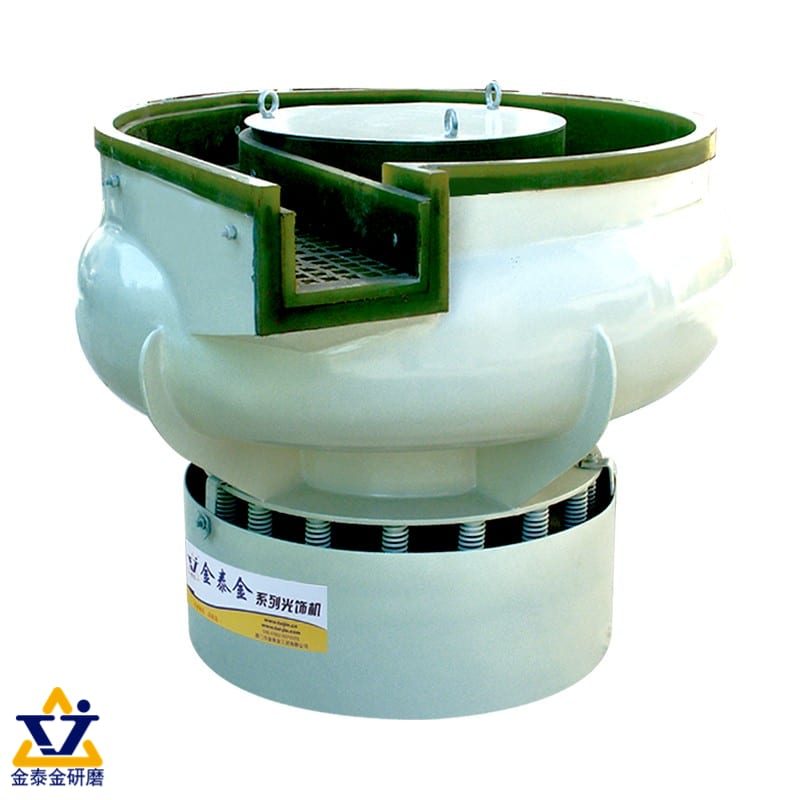
A hobby rock tumbler is a small rubber-drum unit built to roll a few stones continuously for days at low motor torque. An industrial octagonal rotary barrel uses heavy steel framing, thick polyurethane or rubber lining, variable-speed drive options, and positive lid locking to cascade hundreds of parts cleanly in hours rather than days. Compare industrial barrel formats in our tumbler polishing machine guide.
Polyurethane-Lined Vibratory Bowls for High-Throughput Production
When shops need continuous loading, automated compound flow-through, and integrated media-part separation, an industrial vibratory grinder outperforms rotary barrels by a wide margin. Vibratory motion keeps parts suspended inside a toroidal media stream so every face receives uniform contact without long batch delays.
Dry-Stage Double-Deck Barrels for Plastics and Eyewear
For cellulose acetate, resin buttons, and acrylic blocks using pumice-assisted wood pegs or dry organic carriers, a double-deck dry rotary barrel keeps temperatures cool and prevents the melting or haze caused by high-speed dry buffing wheels.
Why Duty Cycle and Liner Thickness Matter
Running abrasive stone or ceramic loads inside an under-built hobby drum wears through thin rubber liners quickly and stalls small motors. Industrial chambers pair thick cast-polyurethane linings with reinforced bearings designed for continuous multi-shift operation. Before committing to any barrel or bowl size, verify that the motor horsepower, bearing housing, and liner durometer are rated for the true bulk density of your chosen abrasive charge.
Noise, Vibration Isolation, and Floor Mounting
Industrial stone and ceramic tumbling generates steady mechanical energy. Unlike lightweight plastic hobby drums that sit on a workbench, production octagonal barrels and vibratory bowls require proper floor isolation pads, solid anchor clearances, and accessible drain connections so operators can rinse, screen, and inspect batches safely without straining lifting gear or flooding shop aisles.
Choosing Between Wet Slurry and Dry Carrier Tumbling
When evaluating pumice abrasive, decide upfront whether your shop wants a wet-slurry cut or a damp-to-dry carrier sequence. Wet slurry runs cooler and suppresses airborne silica dust, making it safer for shop air quality, while dry carrier tumbling avoids water-spot risks on moisture-sensitive trim—provided dust collection and sealed barrel lids keep fine powder contained. For most metal and engineered-plastic plants, wet preformed ceramic or resin-bonded plastic cones followed by heated centrifugal spin-drying offer cleaner floor housekeeping and faster batch turnaround than loose pumice powder.
Preformed Ceramic vs. Natural Stone Media for Metal Parts
If your actual goal is deburring metal brackets, castings, or laser-cut plates rather than smoothing mineral stones, engineered ceramic media solves problems raw stone never can. Consistent density, predictable edge geometry, and clean vibratory screen separation make preformed ceramic and plastic bodies the standard choice for industrial production cells running multi-shift schedules.
Engineered Geometry Prevents Blind-Hole Lodging
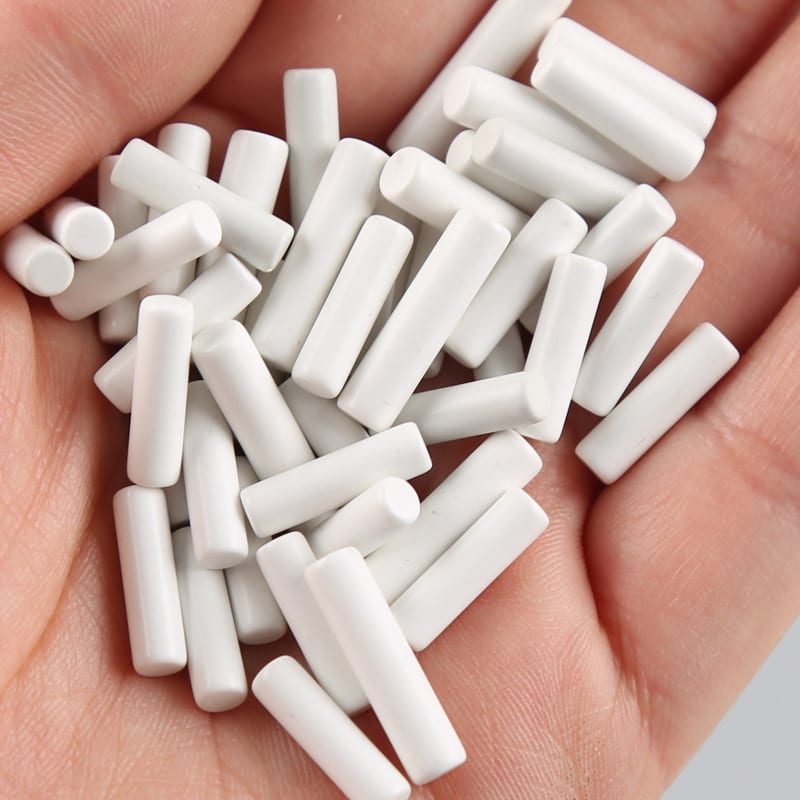
Natural crushed stone or irregular gravel breaks into random splinters that jam tightly inside drilled holes and slots. Preformed ceramic triangles, angle-cut cylinders, and tri-stars are molded to uniform dimensions so you can size the media strictly larger or smaller than critical part openings. See our ceramic wheel and rotary polisher guide for shape selection.
Predictable Cut Rates Across Shifts
Natural pumice and quarry stone vary in hardness and friability from batch to batch. Sintered ceramic and resin-bonded plastic bodies combine controlled abrasive grit concentration with consistent bond hardness, giving production engineers repeatable cycle times shift after shift.
Clean Vibratory Screening Between Stages
Preformed ceramic and plastic shapes drop cleanly through perforated deck screens inside a vibratory separator, allowing parts to discharge smoothly while media returns to the bowl. Loose pumice powder turns into wet sludge that clogs fine screens and requires heavy water flushing.
Cost Per Part Over Long Production Runs
Although raw pumice looks cheap per bag, fast breakdown into mud means constant dumping, drain-trap cleaning, and fresh reloading. Preformed ceramic and plastic bodies wear slowly and predictably, delivering lower total cost per finished part across multi-shift metal production.
Selecting Pumice vs. Plastic and Ceramic by Workpiece Material
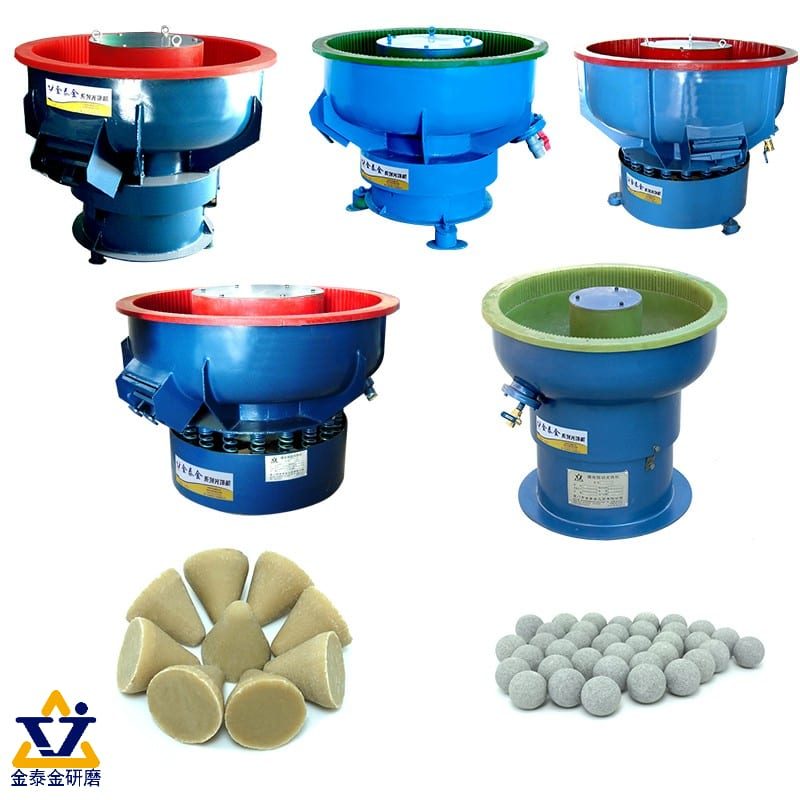
Matching the medium to alloy hardness and surface sensitivity prevents bruised edges, embedded grit, and wasted machine hours.

Acrylic, Acetate, and Soft Thermoplastics
For machined acrylic blocks and molded acetate frames, pumice abrasive mixed with carrier pegs—or ultra-fine resin-bonded plastic cones—removes fine saw lines and molding flash gently without cracking heat-sensitive plastic. Follow with dry walnut shell and corncob media to achieve optical clarity.
Brass, Bronze, and Pewter Castings
Soft non-ferrous castings bruise under heavy ceramic triangles and pit under harsh steel shot. Gentle pumice pre-smoothing or fine plastic cones erase light parting lines safely, preparing parts for porcelain sphere burnishing or flatware and pewter finishing workflows.
Aluminum Brackets and Machined Housings
Aluminum parts smooth best in resin-bonded plastic cones with neutral compound, avoiding the heavy edge denting of dense ceramic and the dark staining of alkaline soaps. See our aluminum polishing machine guide for aluminum-safe chemistry rules.
Stainless Steel and Carbon Steel Stampings
Never waste time trying to deburr stainless or carbon steel in soft pumice. Hard alloys require dense preformed ceramic media with LC10 deburring compound (or MC8 for scale removal) to break sharp laser and stamping burrs effectively, followed by JTJ50 brightening in porcelain or stainless steel burnishing media.
| Workpiece Material | Recommended Primary Cut Medium | Recommended Brightening Stage | Avoid |
|---|---|---|---|
| Acrylic & acetate plastics | Fine plastic cones or pumice-carrier cut | Walnut shell → corncob dry polish | Heavy ceramic or hot dry buffing |
| Brass, bronze & pewter | Resin-bonded plastic or fine pumice | High-alumina porcelain + JTS5 |
Heavy steel balls on thin castings |
| Aluminum castings & CNC parts | Low-density plastic cones + neutral soap | Porcelain spheres + neutral brightener | High-pH alkaline cleaners or coarse ceramic |
| Stainless & carbon steel | Preformed ceramic shapes + LC10 |
Porcelain or stainless media + JTJ50 |
Soft pumice (zero burr removal) |
[DESIGN: Four-stage mass finishing sequence from wet deburring to clean rinse, spin-drying, and inspection]
Chemistry, Water Control, and Sludge Management
Whether running fine pumice abrasive slurry or preformed ceramic media, water flow and compound selection control surface cleanliness and drain hygiene.
Why Fine Pumice Sludge Clogs Shop Drains
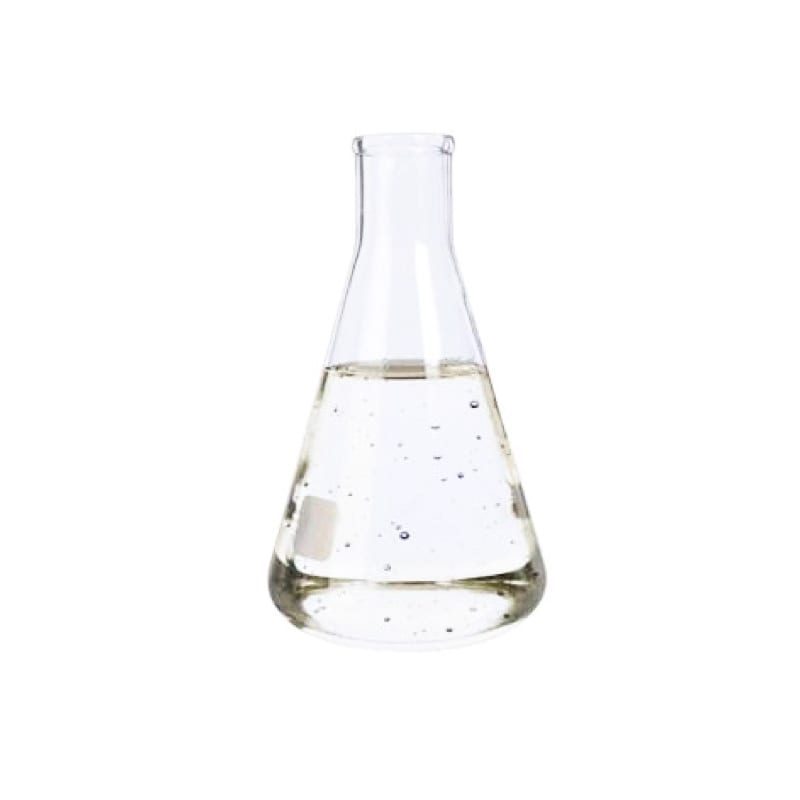
Because pumice crushes rapidly into fine silica-rich silt, discharging spent pumice water straight into standard floor drains solidifies inside pipes like wet cement. Always route pumice-bearing rinse water through multi-stage settling tanks before sewer discharge. Emptying settling weirs on a fixed shift schedule keeps pump impellers from seizing and prevents gray silica cake from hardening at pipe elbows.
Flow-Through Compound Control for Preformed Media
When running preformed ceramic or plastic media in a vibratory bowl, continuous metered flow-through of LC10 or JTS5 keeps abraded metal fines suspended and flushes them out cleanly, preventing dull gray redeposition on parts. Lean compound dosing starves the stone surface of lubrication, causing ceramic chips to glaze over and lose cut speed mid-shift, while excessive foaming cushions parts too heavily and slows burr removal.
Immediate Rinsing and Centrifugal Spin-Drying
After any wet slurry or ceramic cut, flush parts thoroughly in clean water and spin-dry them in a heated centrifugal spin dryer. Residual pumice grit left inside blind holes dries into a chalky crust that is difficult to remove later. For brass or steel hardware headed straight into assembly, warm centrifugal drying also prevents spotting and flash corrosion before parts hit storage totes.
Transitioning From Wet Cut to Dry Organic Brightening
Shops finishing acrylic, acetate, or soft brass often bridge the gap between wet cutting and dry gloss cleanly by separating wet and dry equipment completely. Never load damp pumice-cut parts straight into dry walnut shell or corncob; rinse thoroughly, spin-dry until zero free water remains in pockets or hinges, and only then transfer parts into the dry double-deck barrel. Keeping wet slurry and dry organic beds isolated extends organic media life dramatically.
Inspecting Media Wear and Screen Deck Efficiency
Preformed ceramic and plastic shapes do not stay at their original size forever. As triangles and cones wear down over weeks of running, undersized fragments eventually approach the width of slots, threads, or mounting holes. Run a scheduled screen-deck inspection to purge undersized pebbles before they wedge inside workpieces, and top up the bowl with fresh full-size media so cutting pressure and part cushioning remain uniform from batch to batch.
Comparing Batch Cycle Economics: Pumice vs. Preformed Media
Purchasing teams sometimes look only at raw bag price per kilogram and assume crushed pumice saves money over sintered ceramic or plastic cones. Once you factor in slurry disposal, settling-tank cleanouts, manual unclogging of blind bores, and inconsistent cut rates across natural mineral batches, engineered preformed media almost always delivers lower total finishing cost per thousand finished parts. Reserve pumice strictly for niche wet-slurry plastic or jewelry applications where soft friable abrasion is genuinely required.
Four Common Failure Modes With Pumice and Stone Tumblers
Failure Mode 1: Zero Burr Removal After Hours of Tumbling
Shops load stamped steel or CNC stainless brackets into a barrel with soft pumice or smooth river stone and see sharp burrs intact after half a shift.
Diagnostic rule: If edges remain sharp yet surfaces look slightly matte, the medium lacks cutting hardness and edge geometry—switch from pumice or smooth river stone to preformed ceramic triangles with LC10 deburring compound.
Failure Mode 2: Chalky White Grit Packed Into Threads and Recesses
Fine crushed pumice dries inside blind tapped holes, knurling, or bezel grooves.
Diagnostic rule: If white powdery crust appears inside recesses after drying, rinsing occurred too late after unloading—flush parts immediately under clean water agitation and spin-dry while still wet.
Failure Mode 3: Chipped Corners on Soft Brass or Aluminum
Shops load random crushed stone or heavy ceramic into a rotary barrel with thin brass or aluminum parts and find rolled, dented corners.
Diagnostic rule: If edges look hammered rather than smoothly radiused, impact mass is too high—switch to lighter resin-bonded plastic cones and raise the media-to-part volume ratio.
Failure Mode 4: Worn-Out Barrel Liners and Stalled Motors
Operators overload small hobby stone tumblers with dense steel or heavy ceramic charges.
Diagnostic rule: Never run industrial metal batches in thin-wall hobby tumblers; match chamber motor torque and polyurethane liner thickness to the true bulk density of your media and part load.
| Symptom Observed | Likely Root Cause | Corrective Action |
|---|---|---|
| Burrs untouched after long run | Medium too soft (pumice/river stone) | Switch to preformed ceramic media + LC10 |
| White chalky residue in holes | Dried pumice mud in recesses | Immediate clean flush + heated spin-dry |
| Hammered edges on soft alloy | Heavy stone/ceramic impact | Switch to plastic cones + higher media ratio |
| Clogged drains / stalled barrel | Unsettled pumice silt / overload | Add settling tank; upgrade to industrial chamber |
[DESIGN: Troubleshooting decision matrix linking cut failures, chalky residue, bruising, and liner wear to media and chamber fixes]
Honest Capability Boundaries and Production Standards
What We Supply and What We Do Not Supply
At Xiamen Jin Tai Jin Grinding Technology Co.,Ltd. (brand: Jings Polish), our workshop roots date back to 1996 and our company was formally established in 2009, delivering over 200,000+ sets of grinding and polishing solutions worldwide. Across our catalogue, we manufacture 21 machine platforms backed by 24 granted Chinese IP rights (1 invention patent, 15 utility model patents, and 8 design patents), under ISO 9001 certification 00726Q01571R001 (valid 2026-06-03 to 2029-06-02) and CE certifications M.2023.206.C88121 (Vertical, 8 models) and M.2023.206.C88120 (Horizontal, 13 models), valid until 2028-07-24.
To state our boundaries transparently: we supply industrial mass finishing machines (vibratory bowls, octagonal rotary barrels, dry double-deck barrels, centrifugal spin dryers), preformed tumbling media (ceramic, resin-bonded plastic, high-alumina porcelain, stainless media, walnut shell, wood, and corncob), and liquid compounds; we do NOT supply hobby rock-tumbler kits, raw quarry pumice/sandblasting grit, hand-held buffing wheels, or contract job-shop tumbling services. Keeping these capability boundaries clear upfront ensures buyers select industrial equipment and engineered media that actually match their production tolerances and throughput targets rather than forcing hobby-grade stone tumbling tools into a factory line.

Honest Lead Times and Remote Engineering Review
Standard machines ship in 25–35 days, while custom-configured lines require 45–60 days. Because workpiece hardness, hole sizes, and incoming tool marks dictate whether plastic, ceramic, or organic media is right, we do not promise free sample trials by mail or guarantee cycle times before inspecting your parts—send clear photos of your workpieces, material grade, and target finish via our custom polishing solution page for an initial engineering review. Providing clear close-up photos of edges, slots, and current surface scratches lets our engineering team narrow down media shape and chamber sizing accurately on the first reply.
Frequently Asked Questions
Can pumice abrasive remove CNC milling burrs from stainless steel?
No. Pumice is too soft and friable to cut hard stainless steel burrs effectively. Use preformed ceramic media with LC10 deburring compound in an industrial vibratory bowl or octagonal rotary barrel instead.
What is the difference between a stone tumbler machine and an industrial rotary barrel?
Hobby stone tumblers are small, low-torque barrels meant for rolling rocks over days. Industrial octagonal rotary barrels feature thick polyurethane linings, heavy-duty drives, and batch capacities built for multi-shift metal and plastic finishing.
Why does pumice turn into mud inside a vibratory bowl?
Because pumice is a soft foamed volcanic glass, continuous particle-on-particle abrasion crushes it into fine silt. Without settling tanks and clean flushing, that silt coats parts and clogs drains.
What should I use instead of natural stone for metal deburring?
Use engineered preformed ceramic media for steel, stainless, and iron, or resin-bonded plastic cones for aluminum, brass, and zinc. Preformed shapes deliver consistent cut rates and screen cleanly without lodging in holes.
Can pumice be used for acrylic or eyewear frame polishing?
Fine pumice with wood or carrier media has traditionally been used for gentle wet smoothing on plastics, though most modern production lines prefer fine resin-bonded plastic cones followed by dry walnut shell and corncob media for cleaner separation.
What details should I share before requesting a quote for a tumbling machine and media?
Send clear photos of your parts showing burrs, holes, and surface condition, along with the material type, part dimensions, and hourly production volume. Our engineers can recommend the right chamber and media sequence from photos and drawings.
[DESIGN: Annotated buyer enquiry checklist showing part photos, hole sizes, alloy/plastic grade, and hourly volume]
 +86-592-2381506


 IPv6 network supported
