
Stainless steel finishes are usually listed by how bright they look — matte, satin, brushed, and mirror. That list is useful for specifying a look, and useless for deciding what you can do about a surface that has already been made.
The line that predicts far more is whether the texture came from a mill roll or from a shop tool. A mill finish is consistent across the whole sheet and cannot be changed locally. A job-shop finish is consistent only where the tool went, and can be redone.
How this map fits with our guides: This page maps all types of stainless steel finishes. See metal finishes, brushed vs satin vs mirror finish, stainless steel polish, and isotropic superfinishing.
When buyers compare finishes for stainless steel, gloss never explains why a scratched elevator panel cannot be blended invisible. Only the texture origin answers that.
In a steel mill, stainless strip passes through massive work rolls and annealing lines, making a stainless steel mill finish uniform across the entire coil.
Downstream stainless steel finishing uses belts, tumbling media, orbital sanders, or buffs after the mill. Texture records the tool path and exists only where the tool worked, so it can be redone locally.
Sorting every stainless finish or ss finish into mill-made versus tool-made explains four common shop puzzles:
- Why two spots differ: One zone is original mill-rolled texture, while an adjacent spot was touched with a hand tool.
- Why spot-patching fails: No hand tool can replicate a giant mill roll on a small patch.
- Why some panels cannot be repaired: Abrading a mill surface creates a local job-shop patch that looks worse than the scratch.
- How cost works: Mill finishes are built into sheet price; job-shop finishes cost shop hours.
Whenever a customer asks you to finish stainless steel to match a sample, ask whether the texture came off a mill coil or from a downstream tool.
| Origin & State | Texture Source | Scope | Local Repair? | Action When Damaged | Maker | We Build? |
|---|---|---|---|---|---|---|
| **Mill — Bright Annealed** | Polished rolls + inert furnace | Whole coil | **No** | Replace or refinish all | Steel mill | **No** |
| **Mill — Pickled** | Mill rolls + acid bath | Whole coil | **No** | Replace or blast all | Steel mill | **No** |
| **Mill — Cold Rolled** | Cold rolls + skin-pass | Whole coil | **No** | Replace or brush all | Steel mill | **No** |
| **Mill — Hot Rolled** | Hot breakdown rolls | Whole plate | **No** | Grind entire plate | Steel mill | **No** |
| **Job-Shop — Belt / Hand** | Belt, jitterbug, or orbital | Tool path | **Yes** | Re-stroke and feather | Fabricator | **No** |
| **Job-Shop — Mass / Buff** | Media, superfinish, or buff | Tumbled zone | **Yes** | Re-tumble or re-buff | Finishing bay | **Yes** |
No mill finish can be repaired locally without leaving a patch, whereas job-shop finishes can be reworked.
Incoming coil or plate carries a surface finish of stainless steel in one of four mill states.
Bright annealed stainless is cold-rolled with polished work rolls and annealed inside a controlled, oxygen-free furnace atmosphere (such as hydrogen or cracked ammonia) so zero oxide scale forms on the strip.
Without acid pickling, it keeps a mirror-like reflectivity straight off the coil. Bright annealed is the only mill state that arrives already finished to a high shine. Any shop sanding or local buffing you apply on the floor only scratches, clouds, and dulls that factory roll-polished skin forever.
On standard annealed stainless coils where oxide scale forms in the furnace, the strip passes through an acid pickling bath to dissolve the scale and restore the corrosion-resistant passive layer.
That acid bath leaves a dull, chalky, matte-grey surface with a faint micro-etched grain under a magnifying glass. Pickled mill finish is easy to identify because it has zero directional brush lines and a soft, non-reflective grey tone. It is widely chosen for chemical tanks, structural brackets, and industrial hoppers, or as stock for deep drawing.
When cold-rolled, annealed, and pickled stainless strip receives a final light pinch pass between polished levelling rolls, the micro-etched peaks flatten slightly into a smooth, uniform, low-glare matte grey with a faint silvery sheen.
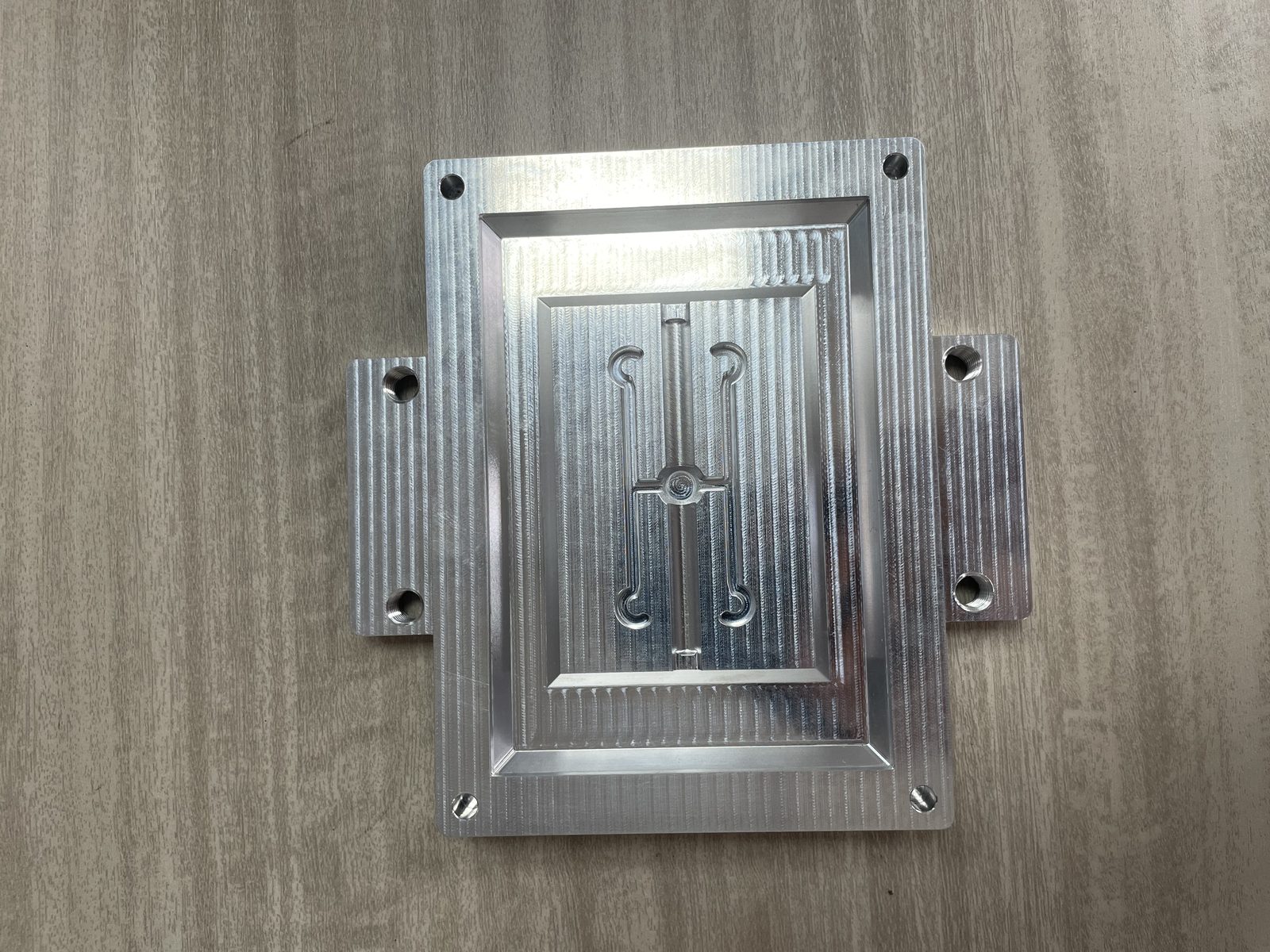
Here is the rule every fabricator should know: cold rolled and levelled is the default starting point for almost all sheet-metal fabrication. When a buyer orders mill finish stainless steel or mill finish stainless without specifying bright annealing or hot-rolled plate, this smooth matte-grey sheet is what lands on the laser table. It is not a decorative treatment someone applied; it is the baseline starting canvas before downstream finishing begins.
Thick structural stainless plates, heavy angles, and bar stock are rolled at high heat and then descaled. Under grazing side light, hot-rolled stainless shows distinct longitudinal roll ridges, shallow pits, and a rough, dark grey skin that follows the mill rolling direction.
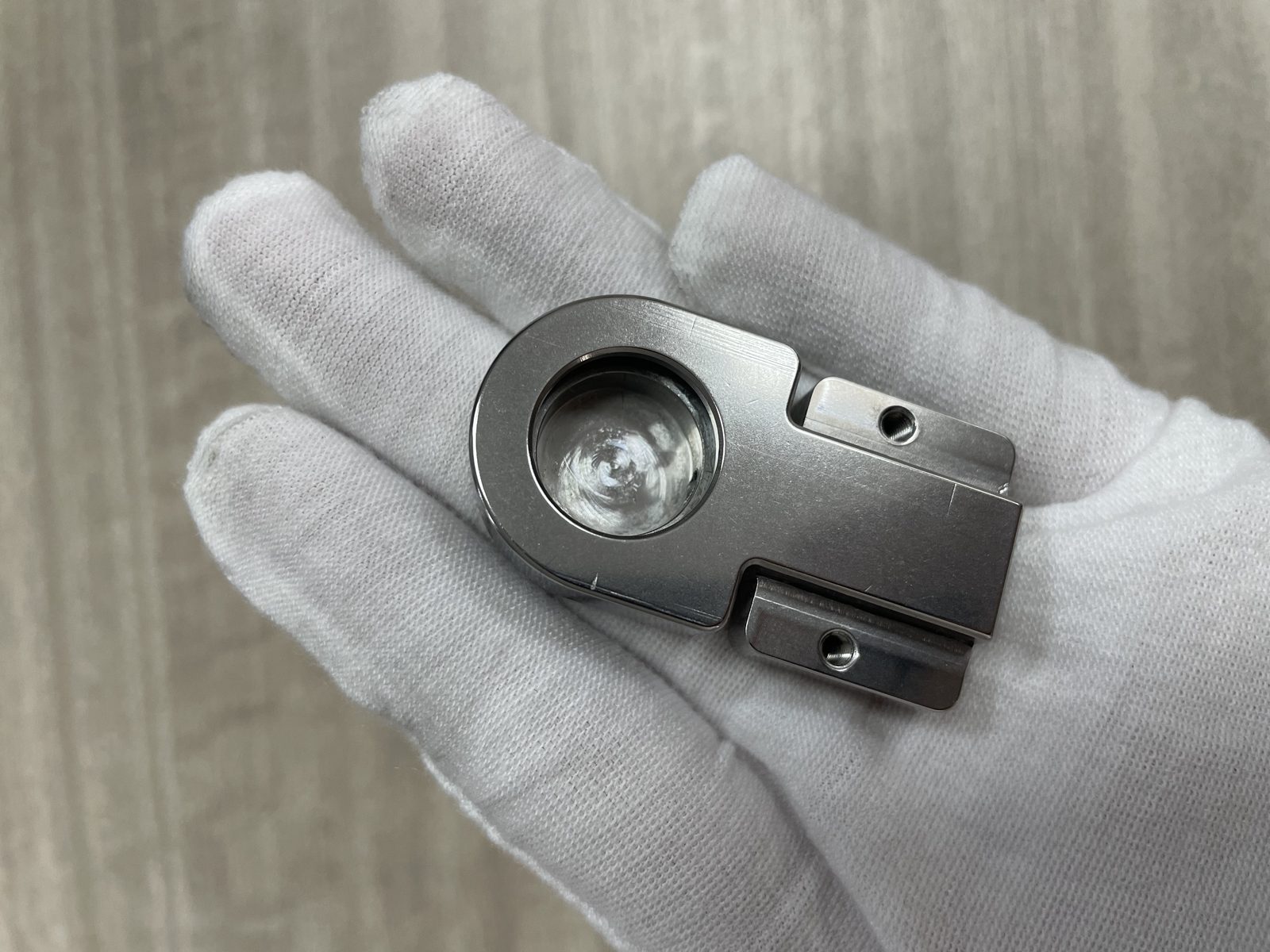
All four mill states share one uncompromising physical trait: their surface texture is created by steel-mill rolls and full-coil chemical baths, not by shop tools.
Because you do not have a cold-rolling mill in your workshop, you can never locally alter or spot-repair a mill finish. Touching a weld seam or scratch on a mill panel with any disc, pad, or sander creates a localized island of downstream tool marks inside a sea of mill-rolled texture. Even if the scratch disappears, that tool-made island reflects light differently from the surrounding mill skin, leaving a permanent halo across the panel.
Once stainless leaves the mill state, shops create six downstream states. Knowing how each tool moves — and when not to use it — prevents specification mistakes.
Brushed grain or hairline is cut by an abrasive belt or drum running along one straight axis.
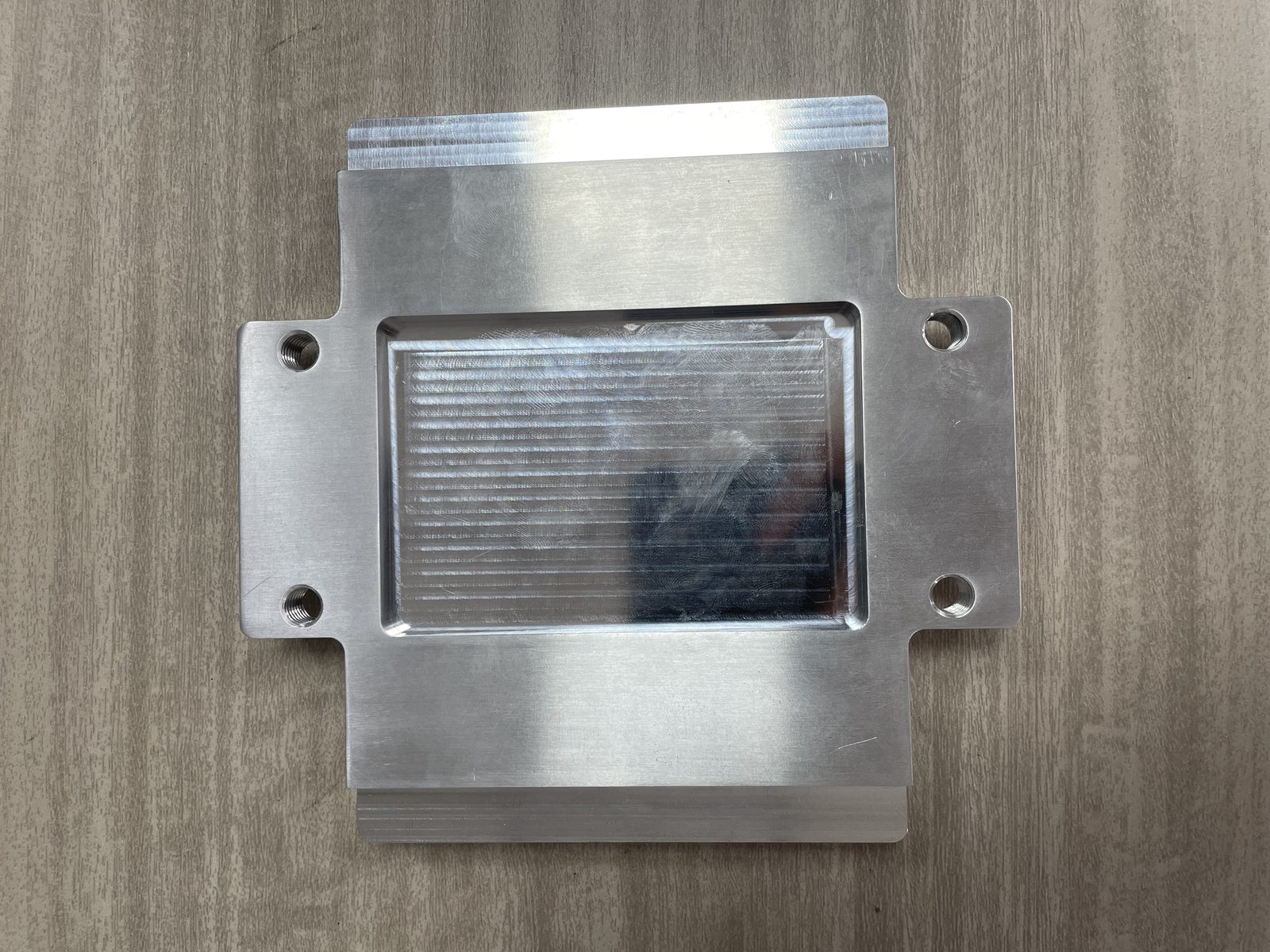
- What it looks like: Long, continuous parallel lines in one direction.
- When NOT to use it: Avoid on contoured castings, curved weldments where belts cannot hold direction, sanitary food surfaces where grooves trap residue, or mirror-bound parts.
A true satin finish is produced by gentle, uniform, non-directional abrasion — such as tumbling parts in fine plastic media, dry tumbling in treated walnut shell granules, or buffing with soft non-woven wheels.
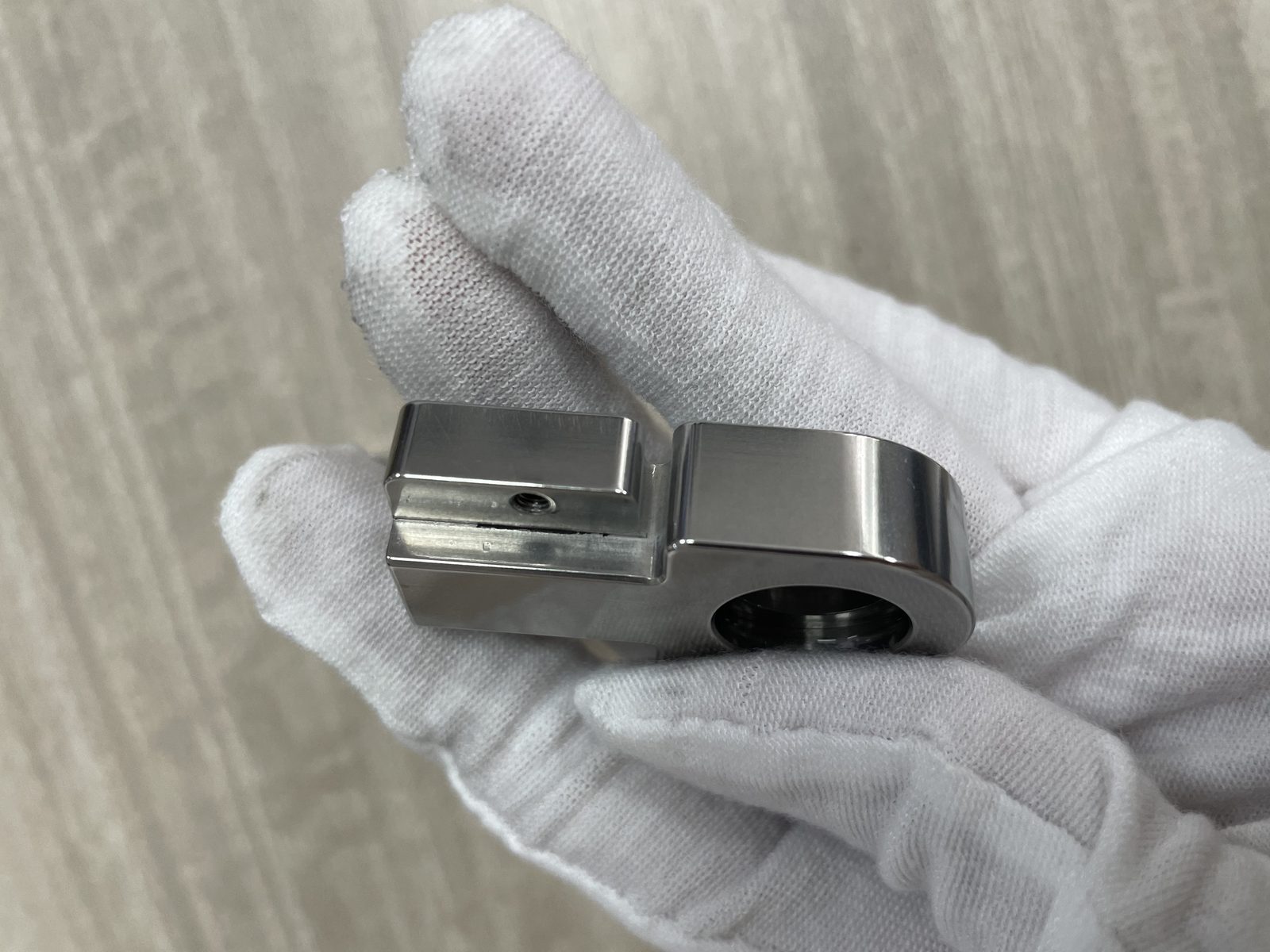
- What it looks like: Soft, velvety glow with no scratch direction. Satin is defined by optical haze rather than visible lines — judged by light scatter, not strokes (brighter compressive smoothing is called burnished metal).
- When NOT to use it: Avoid when high reflection or directional grain matching is required.
A jitterbug finish — often searched as jitterbug surface finish or jitterbug finish stainless steel — is created with a handheld or benchtop oscillating pad sander (a jitterbug sander). The tool drives a rectangular abrasive pad in a tight, high-frequency eccentric orbit without rotating the pad as a whole.
- What it looks like: Short, tightly packed, multi-directional crossing strokes with no dominant direction.
- When NOT to use it: Too slow and uneven for large wall sheets, and unsuitable for batch bins of small parts.
A random orbital finish stainless steel texture comes from a dual-action handheld disc sander whose round pad simultaneously spins on a central spindle and orbits on an eccentric offset.
- What it looks like: Overlapping circular arcs. A jitterbug finish leaves short, tight, dense crossing strokes, whereas a random orbital finish leaves longer, visibly overlapping circular arcs.
- When NOT to use it: Avoid on small parts or tight internal corners where the spinning disc cannot reach.
Stainless steel superfinish (or stainless steel superfinishing) uses high-density non-abrasive media and active chemistry inside vibratory or centrifugal machines to shave off microscopic surface peaks without carving new valleys.
- What it looks like: An ultra-smooth, bright, directionless surface engineered for minimum friction, bearing contact, and fatigue life.
- When NOT to use it: Never pay for superfinishing on purely decorative covers or brackets that just need to look shiny — standard buffing or dry tumbling costs far less.
Buyers often ask how to buff stainless steel to a mirror finish, polishing stainless steel to a mirror finish, or buffing stainless steel mirror finish. Mirror sits at the end of a progressive step-down chain using cotton buffs or steel media.
- What it looks like: Clear specular reflection with zero grain.
- When NOT to use it: Avoid on high-touch surfaces that show fingerprints or sliding wear zones.
All six job-shop states share one rule: because their texture comes from a tool path, you can apply them selectively, control their direction or haze, and redo them if damaged.
The practical value of separating mill states from job-shop states appears the moment a finished stainless panel gets scratched.
When a mill-finish panel is scratched, no hand pad or belt can recreate the steel-mill roll texture locally. Sanding the scratch creates a job-shop island that stands out worse than the scratch.
When you need to refinish stainless steel or perform stainless steel refinishing on a part carrying a downstream job-shop finish, local repair works well if you obey three rules:
- Match direction and haze: Follow linear grain strictly parallel, match the diffuse haze level, and feather well beyond the scratch (see removing scratches from stainless steel).
Because low-angle grazing light exposes direction and haze mismatches that overhead light hides, always inspect repairs under angled side light.
On visible mill-finish facade panels or elevator doors, local repair almost always looks worse than the scratch. Replacing the sheet or refinishing the whole face edge-to-edge is the best way for how to restore stainless steel finish.
To choose the right downstream method when finishing stainless steel surfaces, compare the six job-shop states below.
Belts leave continuous lines, jitterbug pads leave short ticks, orbital discs leave crescents, media leaves micro-dimples, superfinishing leaves flat plateaus, and mirror buffing leaves a reflective plane.
| Job-Shop Method | Texture Signature | Directional? | Detail Reach | Part Size Capability | We Build It? |
|---|---|---|---|---|---|
| **Grain / Hairline** | Long, continuous parallel lines | **Yes (Strong)** | Poor (bridges recesses) | Large flat sheets, tubes | **Partial** (matte haze only, no long lines) |
| **Satin** | Uniform, low-glare velvety haze | **No** | Medium-to-Good | Small/medium parts in bowls | **Yes** (wet plastic / dry organic media) |
| **Jitterbug** | Short, dense, random crossing strokes | **No** | Poor-to-Medium | Small-to-medium flat panels | **No** (handheld/bench power tool) |
| **Random Orbital** | Longer, overlapping circular arcs | **No** | Poor (misses corners) | Large flat plates and tanks | **No** (handheld power tool) |
| **Superfinish** | Mirror-like, isotropic smooth plane | **No** | Good | Small-to-medium precision parts | **Yes** (high-energy mass finishing) |
| **Mirror Polish** | High reflection, zero visible grain | **No** | Medium | Small parts in tumblers | **Partial** (centrifugal/vibratory + steel media) |
Out of the six methods above, our equipment covers three (satin, superfinish, and batch mirror). Media tumbling approximates brushed haze without carving continuous long lines, while jitterbug and random orbital require handheld tools we do not sell.
Only grain/hairline, jitterbug, and random orbital involve an operator moving a tool over a surface; satin, superfinish, and batch mirror put the part inside a machine. Parts that fit a chamber run on equipment; installed curtain walls and huge tanks require hand tools.
Most disputes over stainless steel surface finish happen because purchase orders use incomplete descriptions.
If the drawing carries a formal surface callout, that callout rules the job. Never guess a finish from a photo — lighting angles make pickled mill stock, tumbled satin, and jitterbug look identical on screen.
- Print says "per sample": Lock a signed master sample in your quality cabinet before cutting metal.
- Print says "match existing part": Inspect the existing part first to verify whether it is a mill state or a tool state.
- Print says nothing: When a drawing leaves the surface finish blank, the industry default is untreated cold-rolled levelled mill stock — never an assumed decorative finish.
A complete specification for mechanical polishing stainless steel must name three things:
- First, whether the surface is a mill finish or a job-shop finish.
- Second, which specific state is required (such as pickled mill vs tumbled satin or hairline).
- Third, the grain direction and haze target.
If any of those three items is missing, suppliers will deliver mismatched parts.
| Scenario | Print Note | Shop Trap | Correct Action |
|---|---|---|---|
| **Complete Spec** | Origin, state, direction/haze | Shop swaps tool | Follow named tool |
| **Per Sample** | Master sample cited | One party holds sample | Keep duplicate coupons |
| **Match Existing** | Match installed part | Old part is mill state | Check origin first |
| **Word Only** | Just says "satin" | Read as belt or tumbled | Lock sample and tool |
| **Blank Box** | No finish noted | Buyer expects brush | Confirm raw mill default |
Over the past three years, the word "satin" has been applied to belt-brushed sheet, orbital-sanded frames, and wet-tumbled brackets alike. Always govern production with a physical sample rather than a word alone.
At Xiamen Jin Tai Jin Grinding Technology Co.,Ltd., certified under ISO 00726Q01571R001 and CE standards, we build mass finishing equipment backed by 21 machine platforms and 24 IP rights across six product lines. We detail our scope in what we build and what we do not.
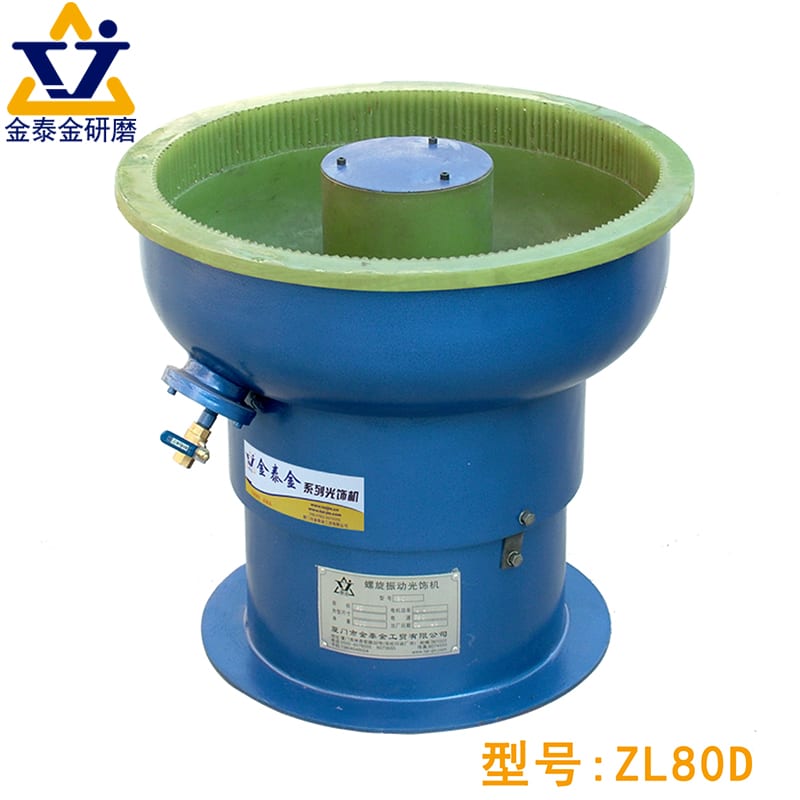
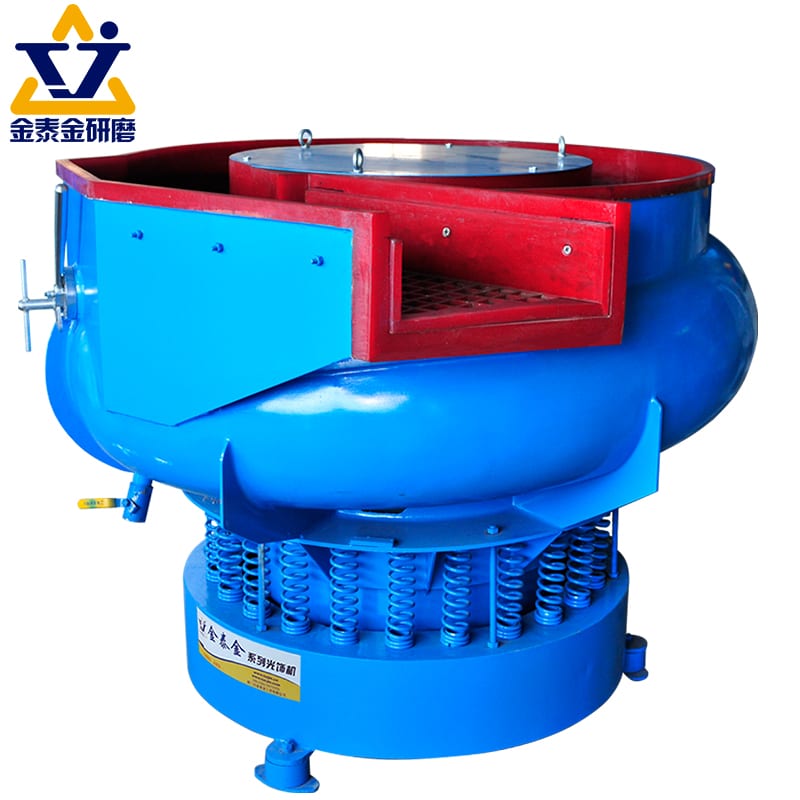
- Uniform Matte & Satin: Built in our bowl vibratory finishing machine units, tub vibrators, and rotary barrels using ceramic/plastic grinding media or walnut shell and corn cob dry finishing media.
- Batch Mirror & Superfinish: Built in centrifugal and vibratory systems using hardened steel finishing media and multi-stage isotropic refinement.
We do not produce steel-mill finishes, we cannot carve continuous long hairline brush lines in a tumbler (only approximate matte haze), and we do not produce jitterbug or random orbital textures.
We do not build hand tools, belt grinders, or angle grinders, nor do we offer field repair, plating, passivation, coating, or job-shop services. Every process we build requires that the part fits inside a machine chamber or fixture.
Buy mill coils from a steel service center, and buy jitterbug or orbital sanders from a portable tool vendor. When you need to finish batches of stainless parts that fit inside a machine, contact us via our contact page.
Stainless finishes split into four mill states (bright annealed, pickled, cold-rolled levelled, hot-rolled) from coil rolls, and six job-shop states (hairline, satin, jitterbug, random orbital, superfinish, mirror) from shop tools or media.
A mill finish is rolled across the entire coil at the mill and cannot be patched locally. A brushed finish is cut downstream by abrasive belts along a linear axis and can be locally re-blended along the grain.
A jitterbug finish is a non-directional texture made with an oscillating rectangular pad sander. Its tight, high-frequency stroke leaves short, dense crossing lines, whereas a random orbital sander leaves wider, visibly overlapping circular arcs.
No. Touching a scratched mill panel with a hand pad or sander creates a local tool-made texture that stands out worse than the scratch under angled light. You must replace the sheet, accept the blemish, or refinish the entire face edge-to-edge.
Brushed stainless is defined by visible, continuous parallel lines running in one direction. Satin stainless is defined by diffuse optical haze — scattering light softly without directional lines.
Yes, every sheet arrives in a baseline mill state — usually cold-rolled levelled or pickled grey — which serves as an untreated starting point.
Email : info@surface-polish.com


 IPv6 network supported
 +86-592-2381506
