
Mill Scale on Steel in Production: Removing Oxide Scale From Carbon Steel and Mild Steel Batches
Hot-rolled carbon steel and mild steel brackets, stamped plates, and forged hardware arrive at the finishing bench covered in a dark, brittle skin known as mill scale on steel. Left in place, mill scale flakes off under powder coat, ruins weld porosity, and traps moisture that accelerates rust underneath paint. While sandblasting cabinets and acid pickling tanks handle oversized structural beams, batch mass finishing removes mill scale on steel cleanly from small-to-medium fabricated parts while rounding sharp cut edges in the very same cycle.
This guide explains how vibratory bowls, rotary barrels, high-density ceramic media, and compound-MC8 strip mill scale on steel across carbon steel and mild steel batches—and where heavy structural scale requires upstream blasting or pickling. For chamber naming, see finishing machine names and vibratory finishing.
What Mill Scale on Steel Actually Is—and Why It Fails Coatings
Mill scale is not ordinary orange rust. It is a hard, layered iron-oxide crust formed when hot steel cools in open air at the rolling mill.

Layered iron oxides harder than the mild steel beneath
Because mill scale is an oxide ceramic-like crust rather than ductile metal, it is harder and more brittle than the mild steel substrate underneath. Soft plastic media or wire brushes often polish the top of the scale into a deceptive dark sheen without actually stripping it off. Removing mill scale on steel requires high-density ceramic media and active scale-loosening compound rather than gentle polishing chips.
Why painting or powder coating over mill scale peels
Mill scale expands and contracts differently from carbon steel under thermal cycling, and micro-cracks let moisture creep underneath the oxide layer. Even if powder coat looks smooth right out of the curing oven, sheets of scale flake away months later, taking the paint with them. Coating specs require bare, scale-free metal before primer or powder application.
Laser-cut carbon steel combines mill scale with edge dross
When shops laser-cut hot-rolled carbon steel plate, they face two problems at once: flat faces covered in mill scale and kerf edges carrying brittle thermal dross. Mass finishing in dense ceramic media addresses both simultaneously—stripping scale from faces while knocking off edge dross and rounding sharp corners. Combining descaling and edge rounding in one vibratory batch cuts handling steps in half.
Why magnetic tumblers cannot process carbon steel
Unlike austenitic stainless steel or brass, carbon steel and mild steel are strongly ferromagnetic. Dropping mild steel brackets into a magnetic tumbler bowl pins every part flat against the rotating magnet plate, scratching the floor and halting pin flow. Always route carbon steel and mild steel to vibratory bowls, rotary barrels, or centrifugal units—never magnetic polishers.
Four Batch Routes for Removing Mill Scale on Steel
Across our machines portfolio, four mechanical mass-finishing chambers strip mill scale on steel from cut, stamped, and forged hardware.
| Equipment Type | Media & Compound Action | Best Carbon / Mild Steel Parts | Key Operational Advantage |
|---|---|---|---|
Vibratory Bowl / Tub (ZL & L Series) |
Continuous spiral ceramic impact + compound-MC8 |
Stamped brackets, laser-cut plates, forged couplings | Open visual check; built-in separation screens |
| Rotary Barrel Tumbler | Heavy cascading slide with dense ceramic media | Thick-wall forgings, fasteners, heavy hardware | Quiet, high-pressure tumbling with tight edge radii |
Centrifugal Barrel / Disc (LX / LLF) |
Multiplied G-force ceramic cutting inside sealed drums | Compact thick-scale castings, chain links, small gears | Compresses stubborn descaling cycles significantly |
| High-Speed Drag Finisher | Clamped parts dragged through dense ceramic media | Heavy machined shafts, gears, precision forgings | Zero part-on-part collision on high-value steel |

Circular vibratory bowls for stamped and laser-cut brackets
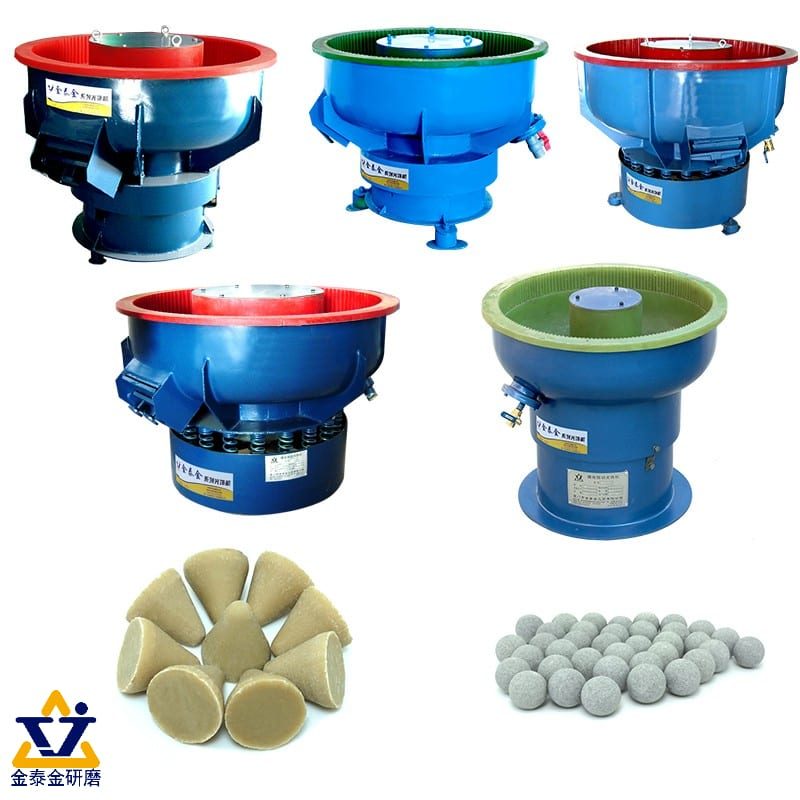
A vibratory finishing machine (ZL series) keeps hot-rolled mild steel brackets separated inside a moving bed of ceramic triangles while continuously flushing loosened iron oxide out the drain. Models with integrated separation decks (ZL100C, ZL200C, ZL300C, ZL600C, ZL900C) divide clean steel parts from media automatically at cycle end. Continuous compound flushing stops black oxide mud from staining freshly exposed steel.
Long rectangular troughs for bars and channel sections
Elongated carbon steel straps, weldments, and channel brackets jam inside circular bowls. Long rectangular troughs—such as our L1300, L1500, and L1800 models—hold long parts straight along the tub while removable dividers keep heavy steel bars from colliding. Divided troughs protect flat faces from deep nicks during aggressive descaling.

Rotary barrels for heavy forgings and fasteners
When thick hot-forged carbon steel nuts, shackles, or heavy brackets carry tenacious mill scale, a drum from our barrel finishing machines line applies heavy cascading pressure without loud vibration. Because parts slide beneath a deep load of ceramic chips, rotary drums crack brittle scale cleanly. Check part weight per load so heavy forgings do not dent delicate threads.
Centrifugal units for stubborn compact scale
Small mild steel stampings or precision-forged links sometimes lack the individual mass to break mill scale quickly in a standard bowl. Centrifugal disc (LLF120) and centrifugal barrel machines multiply effective media force inside a compact chamber, stripping tight scale rapidly. Centrifugal action cuts tough scale fast while keeping small hardware evenly mixed.
Mass Finishing vs Sandblasting and Acid Pickling
Shops dealing with mill scale on steel often compare vibratory ceramic descaling against abrasive blasting and chemical acid pickling. Each method fits a different part size and downstream requirement.
| Comparison Factor | Batch Mass Finishing (Ceramic + MC8) |
Sandblasting / Shot-Blasting Cabinet | Chemical Acid Pickling |
|---|---|---|---|
| Edge Rounding & Deburring | Strips scale AND rounds sharp cut edges simultaneously | Roughens surface evenly; leaves sharp laser edges sharp | Strips oxide chemically; does not remove mechanical burrs |
| Surface Texture | Smooth, uniform matte bare steel | Etched anchor profile for heavy industrial coatings | Matte etched surface requiring heavy neutralization |
| Part Size Limit | Small-to-medium batches fitting inside ZL / L / barrel chambers |
Large structural beams, frames, and welded assemblies | Large tanks for long pipe or sheet bundles |
| Our Supply Scope | We build the chambers, ceramic media, and MC8 compound |
Not supplied — we do not sell blasting machines or grit | Not supplied — we do not sell acid pickling lines |
[DESIGN: Side-by-side steel bracket comparison showing rough etched sandblasted surface versus smooth edge-rounded mass-finished bare carbon steel]
When mass finishing beats sandblasting on fabricated parts
For laser-cut carbon steel brackets, stamped gussets, and machined mild steel fittings, sandblasting removes scale but leaves razor-sharp burrs and embeds grit if not blown clean. Mass finishing strips mill scale on steel and breaks every sharp edge in one unattended batch. One chamber replaces separate deburring and descaling steps on small-to-medium steel hardware.
When heavy structural steel still needs blasting or pickling
Oversized I-beams, welded machine frames, and full mill sheets cannot fit inside a vibratory trough or rotary barrel. Likewise, extremely thick, blistered rolling-mill scale on heavy plate clears faster under shot blasting or acid pickling before fabrication. We do not build sandblasting or shot-blasting equipment, supply blasting abrasives (glass bead, garnet, or loose grit), or run chemical pickling lines.
Avoiding hydrogen embrittlement on high-strength carbon steel
Acid pickling baths can introduce hydrogen embrittlement into hardened or high-carbon steel springs and fasteners unless baked afterward. Mechanical mass finishing with ceramic media and neutral-to-mildly-alkaline liquid compound removes scale and rust without harsh acid immersion. Mechanical descaling eliminates acid-bath embrittlement risks on spring-grade steel.
Honest scope: no plating, passivation, or heat treatment
After mill scale on steel is stripped, carbon steel and mild steel are bare, chemically active iron ready for painting, powder coating, or plating by your finishing vendor. We do not offer plating, anodizing, passivation, PVD coating, clear-coat sealing, or heat treatment—and we do not operate a contract job shop.
Media, compound-MC8, and Rust-Inhibiting Support
Stripping mill scale on steel is a high-wear job for consumables. Selecting the right ceramic body from our grinding media range and active liquid compound keeps cut rate high without rusting the load.
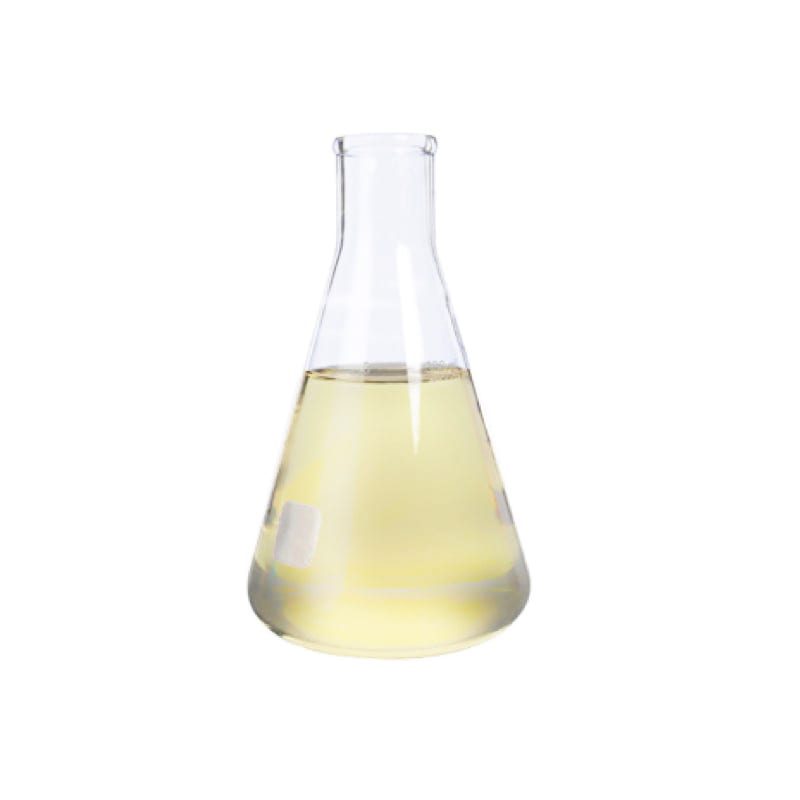
MC8, LC10, and JTJ25 liquid compound drumsHigh-density ceramic and oxide media for breaking scale
Soft resin-bonded plastic media bounces off hard mill scale on steel without cracking the oxide skin. Load dense cutting ceramic triangles or angle-cut cylinders engineered for ferrous grinding so sharp media edges fracture and shear away brittle scale. Size ceramic chips against the smallest slot or hole on your steel bracket so worn chips never wedge.
Why compound-MC8 and compound-LC10 lead steel descaling
Plain water turns carbon steel orange with flash rust within minutes while letting black oxide mud pack onto media pores. Pair ceramic media with compound-MC8 (formulated specifically for rust and oxide scale removal) or compound-LC10 (heavy deburring support), followed by compound-JTJ25 for general metal smoothing. We supply liquid compounds for wet media systems, while never designing custom chemical cleaning formulas.
Continuous water flow to flush black oxide mud
Removed mill scale breaks down into fine, abrasive black iron-oxide silt. If that silt stays trapped inside a closed bowl, it coats both parts and ceramic chips in dark grey grime that resists paint adhesion. Keep fresh compound-water flow active and drains clear so loosened scale flushes continuously out of the chamber.
Conditioning clean bare steel before coating or storage
Once scale is gone, bare mild steel oxidizes rapidly in humid air. Rinse parts promptly in clean rust-inhibiting water or mild compound solution and dry them immediately—never leave wet descaled steel sitting in open tote bins. See our post-finishing separate wash and dry guide for proper cell layout.
Step-by-Step Workflow to Remove Mill Scale on Steel
Follow this four-stage sequence to strip mill scale on steel cleanly and deliver bright, paint-ready carbon steel and mild steel batches.
[DESIGN: Four-stage mild steel descaling sequence: raw scaled laser-cut plate, wet ceramic + MC8 cut-down, clean rinse, and dry bare steel bracket]
Stage 1: Degrease oily plates and knock off heavy weld spatter
Hot-rolled steel often carries mill protective oil or cutting fluid, while welded assemblies carry thick spatter balls. Oil coats ceramic chips instantly and stops cutting, while heavy spatter wastes media life. Degrease oily loads and knock off heavy weld lumps before loading the chamber—just as outlined in grinding and sanding marks.
Stage 2: Ceramic cut-down with compound-MC8 until bare metal
Load parts with generous ceramic media cushion so heavy steel plates never dent each other, and meter compound-MC8 continuously with clean water. Run until every dark patch of mill scale on steel disappears into uniform bright-grey bare metal. Inspect recessed corners and laser kerfs closely, because scale clings longest inside low-flow pockets.
Stage 3: Clean rinse and rapid centrifugal spin drying
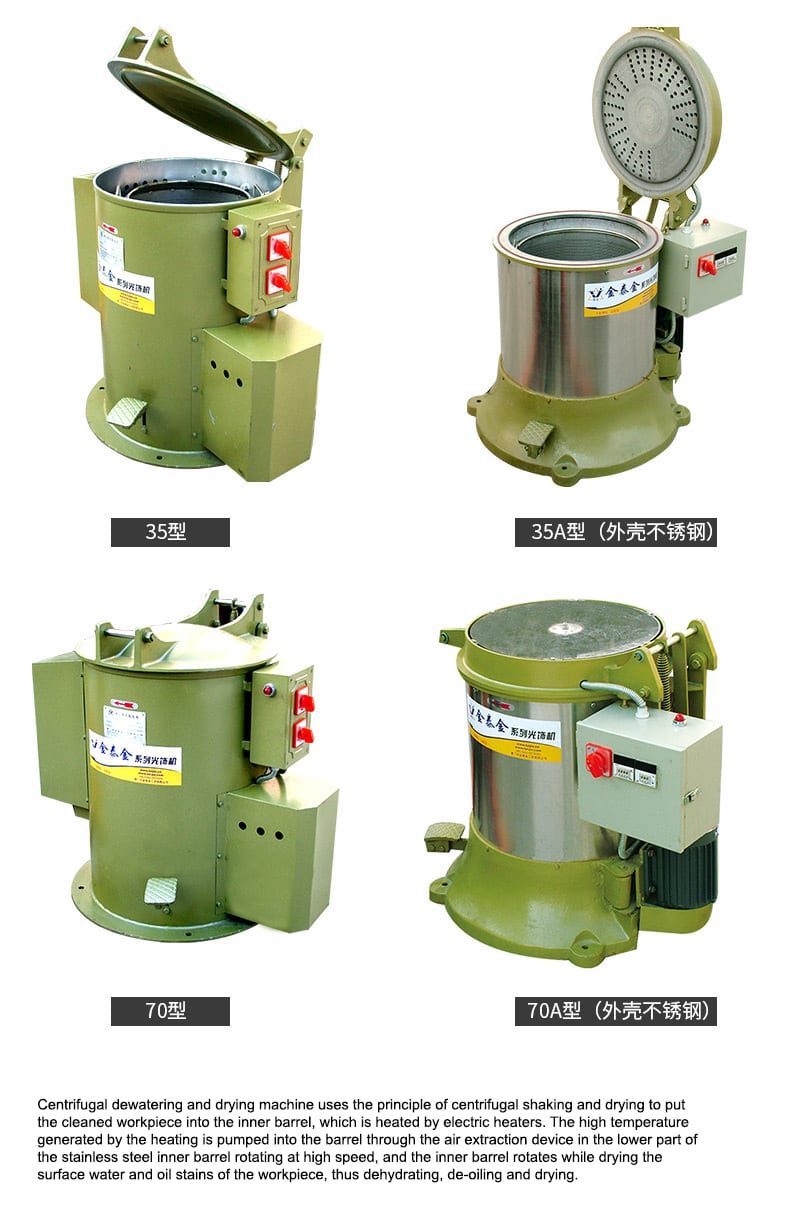
Unload parts via the separation screen, rinse immediately to strip loose oxide silt, and transfer straight into a heat centrifugal spin dryer (35, 35A, 70, or 70A models). Rapid spinning flings water out of bolt holes while warm air dries the bare steel before orange flash rust can start. Never let wet descaled carbon steel air-dry on shop racks.
Stage 4: Dry storage or immediate coating handoff
Freshly descaled carbon steel has zero natural corrosion barrier. Move spin-dried batches directly to powder coating, painting, or dry sealed packaging—or run a brief dry organic polish in walnut shell or corn cob from our dry finishing media line if a smooth dry sheen is required. Protect bare steel from humid shop air until downstream coating.
Common Mistakes When Descaling Carbon and Mild Steel
Avoid these four shop-floor traps when setting up batch descaling for carbon steel and mild steel hardware.
| Mistake Observed | What Goes Wrong on the Floor | How to Spot It Early | Correct Shop Fix |
|---|---|---|---|
| Using plastic media on heavy mill scale | Plastic cones glaze and skate over hard oxide crust | Parts exit shiny dark grey with scale still intact | Switch to dense cutting ceramic triangles + compound-MC8 |
| Running plain water without inhibitor | Parts flash-rust orange before reaching the dryer | Red-brown tint forming on wet brackets at unload | Meter MC8 / JTJ25 compound continuously; spin-dry fast |
| Sharing media between carbon steel and stainless | Embedded carbon-steel iron ruins stainless batches | Orange rust blooms on finished stainless parts days later | Dedicate separate bowls and media bins per alloy family |
| Letting black oxide mud recirculate | Blocked drains leave greasy black film on bare steel | Dirty foam and dark residue wiping off on clean rags | Clear bowl drains and wash media charge regularly |
[DESIGN: Troubleshooting grid showing four steel descaling failures: glazed dark scale from plastic media, orange flash rust, black oxide mud film, and part-on-part corner dings]
Expecting light plastic media to strip hot-rolled scale
Plastic media works wonderfully on soft aluminium—see aluminum finishes—yet lacks the mass and hardness to crack brittle mill scale on steel. Always start heavy steel descaling with dense ceramic cutting media.
Skipping rust inhibition and fast drying
Descaled mild steel rusts far faster than scaled steel because its fresh metallic surface is wide open to oxygen and moisture. Skipping compound-MC8 / compound-JTJ25 protection or leaving parts wet in baskets turns a clean batch orange before lunch. Pair every wet steel descaling line with a heat centrifugal spin dryer.
Contaminating stainless lines with carbon steel media
Running carbon steel brackets in a vibratory bowl and then loading 304 stainless parts into the same ceramic charge embeds free iron into the stainless steel—causing rust spots on expensive stainless hardware. Keep ferrous and stainless media charges strictly separated, a core rule in job shop finishing and stainless steel finishes.

Overloading heavy steel plates without enough media
Heavy laser-cut steel plates drop hard against each other inside an under-filled bowl, leaving deep corner nicks that require manual welding or grinding to fix. Keep media volume generous or use compartmented rectangular troughs (L1300, L1500, L1800) for heavy steel pieces.
How Xiamen Jin Tai Jin Builds Steel Descaling Equipment
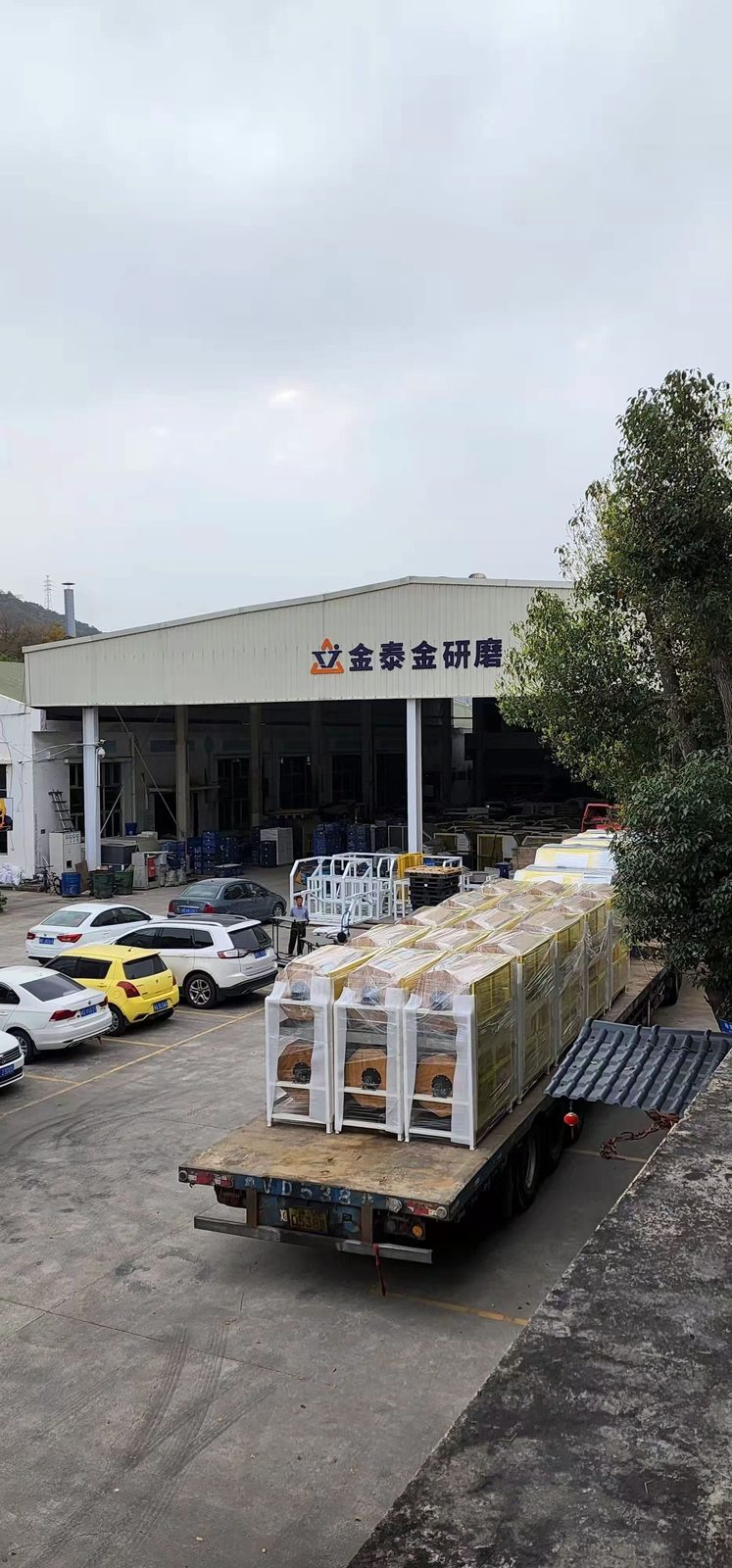
At Xiamen Jin Tai Jin Grinding Technology Co.,Ltd. (brand: Jings Polish), our workshop started in 1992 and our company was formally established in 2002, delivering over 200,000+ sets of grinding and polishing solutions to customers worldwide. Across our catalogue, we manufacture 21 machine platforms backed by 24 granted Chinese IP rights—including 1 invention patent, 17 utility model patents, and 6 design patents—under ISO 9001 certification 00726Q01571R001 (valid 2026-06-03 to 2029-06-02) and CE certifications M.2023.206.C88121 (Vertical, 8 models) and M.2023.206.C88120 (Horizontal, 13 models), valid until 2028-07-24.
Equipment, ceramic media, and compounds we supply
We build circular vibratory bowls (ZL series with separation options), long rectangular vibratory troughs (L1300, L1500, L1800), barrel finishing machines, centrifugal disc and barrel units, high-speed drag finishers, heat centrifugal spin dryers (35, 35A, 70, 70A), and media cleaners. We also manufacture heavy-cut ceramic media alongside MC8, LC10, JTJ25, JTJ60, JTS5, and HM3 compounds.
Honest boundaries on what we do not offer
In line with our choosing a mass finishing supplier policy, we state our boundaries plainly. We do not build sandblasting or shot-blasting cabinets or supply loose blasting abrasives; we do not supply acid pickling lines, plating, passivation, clear-coat lacquers, or heat treatment; we do not sell handheld angle grinders, belt sanders, or cloth buffing wheels; and we do not operate a contract job shop.
Standard and custom machine lead times
Standard vibratory, barrel, and spin-drying equipment ships within a 25 to 35 day build lead time. Custom-engineered long troughs, compartmented dividers, and integrated separation lines carry a 45 to 60 day build lead time.
Requesting an assessment from part photos
We do not promise free mail-in sample trials or guarantee cycle times without reviewing your workpiece. Send clear photos of your carbon steel or mild steel parts showing current mill scale on steel, cut burrs, hole sizes, and overall dimensions via our custom polishing solution page—our engineers can evaluate your photos and drawings to recommend the right machine, ceramic media, and MC8 workflow.
Frequently Asked Questions
Can a vibratory tumbler remove mill scale on steel parts?
Yes. A heavy-duty vibratory bowl or rectangular trough loaded with dense cutting ceramic media and compound-MC8 strips mill scale on steel from small-to-medium carbon steel and mild steel batches while rounding sharp cut edges at the same time.
What is the best compound for removing mill scale on carbon steel?
Use compound-MC8 (formulated for rust and oxide scale removal) paired with compound-LC10 or compound-JTJ25 when deburring and cutting carbon steel. Never run wet steel descaling in plain tap water, or parts will flash-rust immediately.
Can I remove mill scale from mild steel in a magnetic tumbler?
No. Mild steel and carbon steel are strongly ferromagnetic and clamp straight onto the rotating magnet plate inside a magnetic tumbler bowl, scratching the floor and stopping pin movement. Route carbon and mild steel to vibratory bowls, rotary barrels, or centrifugal units.
Why did my mild steel parts turn orange right after descaling?
Freshly descaled mild steel has zero protective oxide skin left, so any residual moisture in open baskets triggers rapid flash rust. Rinse parts cleanly and dry them immediately in a heat centrifugal spin dryer (35 or 70 series) before moving to coating or storage.
Is mass finishing better than sandblasting for removing mill scale?
For small-to-medium stamped, forged, or laser-cut parts, mass finishing strips scale and rounds sharp edges in one unattended batch without leaving embedded blasting grit. For oversized structural beams, welded frames, or full sheets, sandblasting or acid pickling remains necessary.
What photos should I send before ordering steel descaling equipment?
Send clear photos showing the current mill scale thickness, laser-cut or saw burrs, smallest slots or holes, overall part dimensions, and daily batch volume. Our engineers can recommend the right chamber size and ceramic media grade from photos and drawings.
[DESIGN: Annotated buyer enquiry checklist showing mill-scale close-ups, laser-cut edge burrs, and part dimension notes]
 +86-592-2381506


 IPv6 network supported
