
Sheet Metal Deslagging and Metal Edge Rounding: Choosing the Right Sheet Metal Finishing Machine
Laser-cut, plasma-cut, and punched sheet-metal parts leave the cutting table with two problems that slow down every downstream station: brittle oxide dross frozen along the bottom kerf, and razor-sharp edges that cut operators and cause powder coat to pull back during curing. Choosing a sheet metal finishing machine starts with knowing when wide-belt feed-through sanders make sense versus when batch mass-finishing chambers handle sheet metal deslagging, metal edge rounding, and edge polish together at a fraction of the handling cost.
This guide explains how vibratory bowls, rectangular troughs, dense ceramic media, and compound-MC8 / compound-LC10 handle sheet metal deslagging and metal edge rounding on small-to-medium brackets, gussets, and stamped plates—and where oversized panels still need flat-bed belt machines. For chamber naming, see finishing machine names and vibratory finishing.
Why Laser-Cut and Punched Sheet Metal Fails Downstream QC
Thermal cutting and mechanical punching leave completely different edge defects. Treating both with the same soft media wastes cycle time and leaves sharp burrs intact.
Brittle laser dross and oxide slag on the bottom kerf
Oxygen-assisted laser cutting and plasma cutting melt steel and blow molten oxide downward, leaving hard, glassy dross droplets fused along the lower kerf edge. Unlike soft ductile burrs, laser slag is brittle and tightly bonded to the parent metal. Soft plastic chips bounce right off thermal slag—true sheet metal deslagging requires dense cutting ceramic media.
Razor-sharp punched and sheared edges that fail coating
Mechanical turret punches and laser nitrogen cuts leave clean-looking edges that are actually sharp enough to slice gloves and electrical harnesses. Worse, liquid paint and powder coat pull away from sharp corners by surface tension, leaving thin bare metal along the perimeter that rusts first in salt-spray testing. Consistent metal edge rounding creates a smooth perimeter radius so coatings wrap evenly.
Flat-to-flat sticking on thin stamped sheet parts
Thin, flat brackets and shims tend to stick together face-to-face like wet playing cards inside a slow rotary barrel, leaving unpolished shadows and sharp unrounded corners. Open vibratory bowls keep flat stampings separated in a lively spiral of media and compound. Proper media-to-part volume and lubricating compound stop flat sheet parts from clinging together.
Internal cutout burrs and narrow mounting slots
Sheet metal brackets rarely have simple four-sided perimeters; they carry laser-cut mounting slots, lightening holes, and bent tabs. Handheld grinding discs reach outer edges easily yet miss internal slots and bent flanges. Batch mass finishing rounds outer perimeters, inner holes, and bent flanges simultaneously in one unattended cycle.
Choosing a Sheet Metal Finishing Machine by Part Size
Selecting a sheet metal finishing machine from our machines portfolio depends on part footprint, plate thickness, and whether flat surfaces already carry a directional brushed grain.
| Sheet Metal Part Profile | Recommended Chamber | Media & Compound Choice | Key Shop-Floor Advantage |
|---|---|---|---|
| Small-to-medium brackets, gussets & shims | Circular vibratory bowl (ZL series with separator) |
Ceramic triangles + LC10 / MC8 (or plastic for aluminium) |
Automated screen unloading; high batch throughput |
| Long flat straps, channels & rail brackets | Long rectangular vibratory trough (L1300, L1500, L1800) |
Ceramic or plastic media; optional removable dividers | Accommodates elongated sheet profiles without jamming |
| Thick-gauge forged/punched plates needing quiet radius | Rotary barrel tumbler | Dense ceramic triangles or angle-cut cylinders | Smooth cascading edge rounding with minimal impact noise |
| Pre-brushed decorative stainless panels | Not suited for loose tumbling | Feed-through abrasive belt / brush sander (not built by us) | Loose tumbling blends directional brush lines into matte |
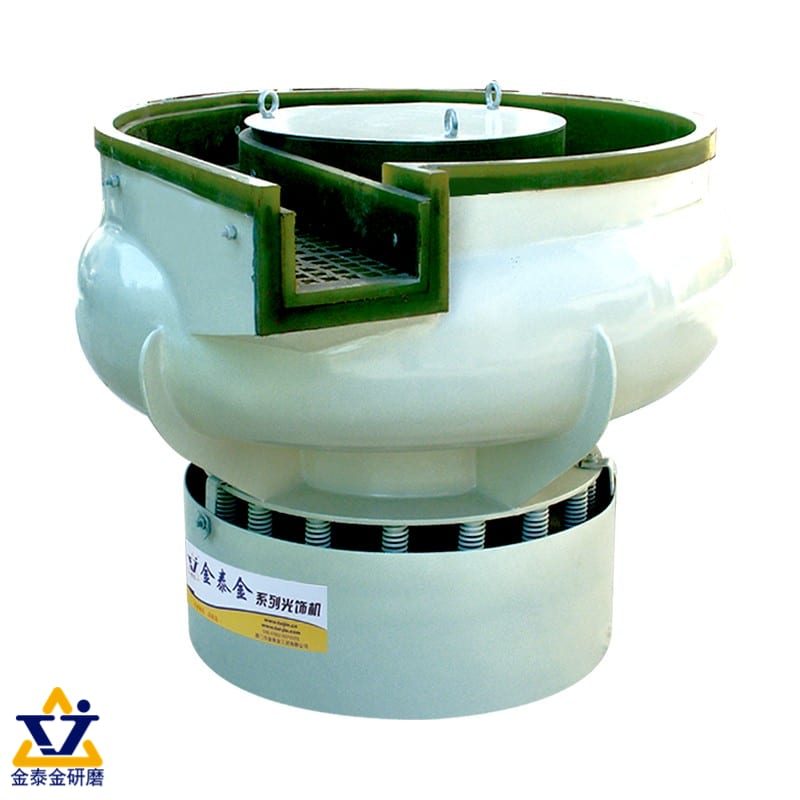
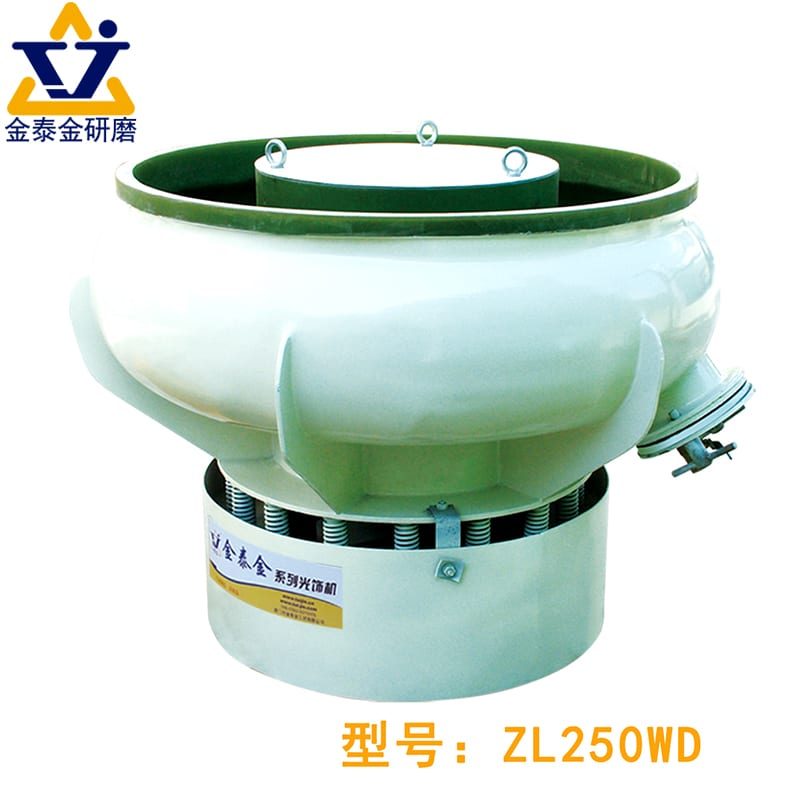
Circular vibratory bowls for high-volume stamped brackets
A vibratory finishing machine (ZL series) is the workhorse for small-to-medium laser-cut brackets, electrical plates, and stamped hinges. Models with integrated separation decks (ZL100C, ZL200C, ZL300C, ZL600C, ZL900C) divide finished brackets from ceramic triangles cleanly at cycle end. Automated separation cuts operator sorting time to zero on repetitive sheet-metal batches.
Rectangular vibratory troughs for long straps and channels
Long laser-cut channels, cabinet stiffeners, and mounting rails wedge sideways between the outer wall and centre dome of a circular bowl. Rectangular troughs (L1300, L1500, L1800) let long sheet parts travel comfortably along a straight polyurethane-lined tub. Adding removable compartment dividers prevents heavy plates from colliding during deslagging.
Rotary barrels for thick plates and quiet edge polish
When thick-gauge stamped washers or heavy steel gussets need smooth metal edge rounding and clean edge polish without loud vibration, a drum from our barrel finishing machines line delivers steady cascading pressure. Avoid loading very thin, wide sheet panels into large barrels where tumbling weight can bend flat tabs.
When wide-belt sanders remain necessary—and what we do not build
Oversized flat sheets, full door skins, and decorative panels that require preserving a strict directional hairline finish belong on wide-belt feed-through deburring machines rather than loose tumbling chambers. We do not build wide-belt sheet sanders, handheld angle grinders, or cloth buffing wheels—we manufacture chamber-based mass-finishing equipment.
Mass Finishing vs Wide-Belt Sanders and Handheld Grinders
Fabrication shops researching a sheet metal finishing machine often weigh vibratory chambers against flat-bed wide-belt sanders and manual angle-grinder benches. Each tool solves a different bottleneck on the floor.
| Comparison Factor | Batch Vibratory / Trough Chamber | Wide-Belt Feed-Through Sander | Manual Angle Grinder / Flap Disc |
|---|---|---|---|
| Cutout & Bent-Tab Access | Rounds outer edges, inner holes, and bent flanges together | Flat sheets only — cannot process formed 3D brackets | Slow piece-by-piece access; misses tight slots |
| Laser Dross Removal | Ceramic + MC8 strips bottom kerf slag across batches |
Rotary brush rollers strip flat slag on unbent plates | High operator dust, noise, and inconsistent edge bevel |
| Edge Uniformity | Identical metal edge rounding on every part in the batch | Consistent flat-face edge break on straight sheet | Varies heavily with worker pressure and fatigue |
| Our Supply Scope | We manufacture the vibratory/barrel chambers, media, and compounds | Not supplied — we do not build wide-belt sanders | Not supplied — we do not sell handheld grinders |
Formed and bent brackets that cannot enter a flat belt
Once a laser-cut blank is bent on a press brake into an L-bracket, U-channel, or mounting box, it can no longer pass flat beneath a wide-belt sander head. Vibratory bowls and rectangular troughs finish formed, bent, and welded sheet brackets cleanly after bending without crushing flanges. Tumbling after press-brake forming eliminates sharp bend-relief burrs in one step.
Handling multiple small brackets per shift without manual feeding
Feeding tiny stamped washers, shims, or electrical gussets one by one onto a conveyor belt—or grinding them by hand at a bench—consumes hours of skilled labour. A circular vibratory bowl with an integrated separation deck processes hundreds of small brackets unattended from load to screen-out. Automated batch tumbling frees fabrication operators for welding and press-brake setup.
Eliminating airborne grinding dust and inconsistent hand bevels
Handheld flap discs throw sparks and fine metal dust across the shop while leaving flat spots and uneven chamfers along bracket perimeters. Wet vibratory sheet metal deslagging traps loosened oxide silt in water and liquid compound, keeping shop air clean and edge radii uniform. Closed wet mass finishing improves both edge consistency and shop cleanliness.
When wide-belt machines and mass finishing work together
High-output sheet metal fabricators frequently run both: flat-bed belt machines dress oversized unbent panels before forming, while vibratory bowls (ZL series) and rectangular troughs (L1300, L1500, L1800) handle all small brackets, gussets, and formed sub-assemblies. Keeping each machine on its ideal part family maximizes shop throughput.
Media and Compounds for Sheet Metal Deslagging and Edge Polish
Pairing the right media body from our grinding media range with active liquid compound is what turns brittle slag into clean, rounded metal.
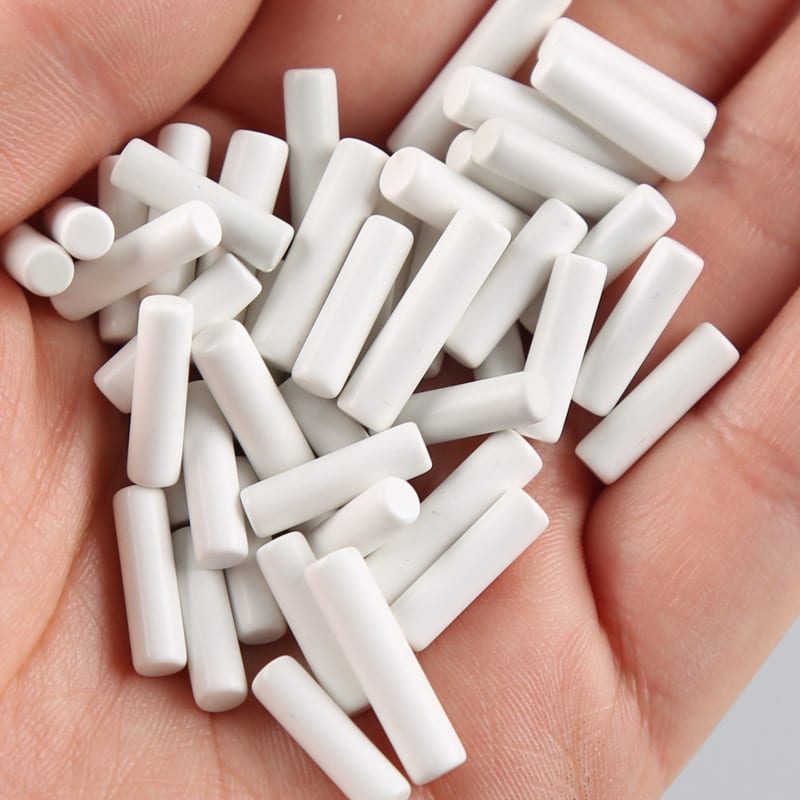
Dense ceramic media for carbon and stainless slag
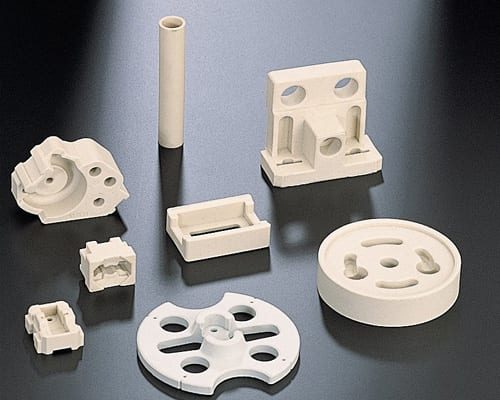
Brittle laser slag and heavy punch burrs require dense ceramic triangles or angle-cut cylinders to fracture and shear away oxide beads cleanly. Acute angle-cut shapes reach inside narrow mounting slots and corner notches where blunt spheres cannot touch. Size ceramic chips against your smallest laser-cut slot using worn-chip dimensions so broken chips never wedge.
Resin-bonded plastic cones for aluminium and thin sheet
Laser-cut aluminium brackets and thin brass plates dent and bend easily under heavy ceramic media. Switch to lightweight resin-bonded plastic cones and pyramids that cushion thin sheet metal while smoothing sharp burrs cleanly. Check our aluminum finishes and copper alloy finishing guides for keeping non-ferrous sheet free of bruising.
High-alumina and dry media for bright edge polish
When visible brackets or stainless hardware require a bright edge polish after deburring, follow the cut-down stage with smooth high-alumina ceramic balls or dry walnut shell and corn cob from our dry finishing media line. Remember that brightening media never removes laser slag—cut edges smooth first, then polish bright. Confirm corn cob mesh grade when ordering dry organic media.
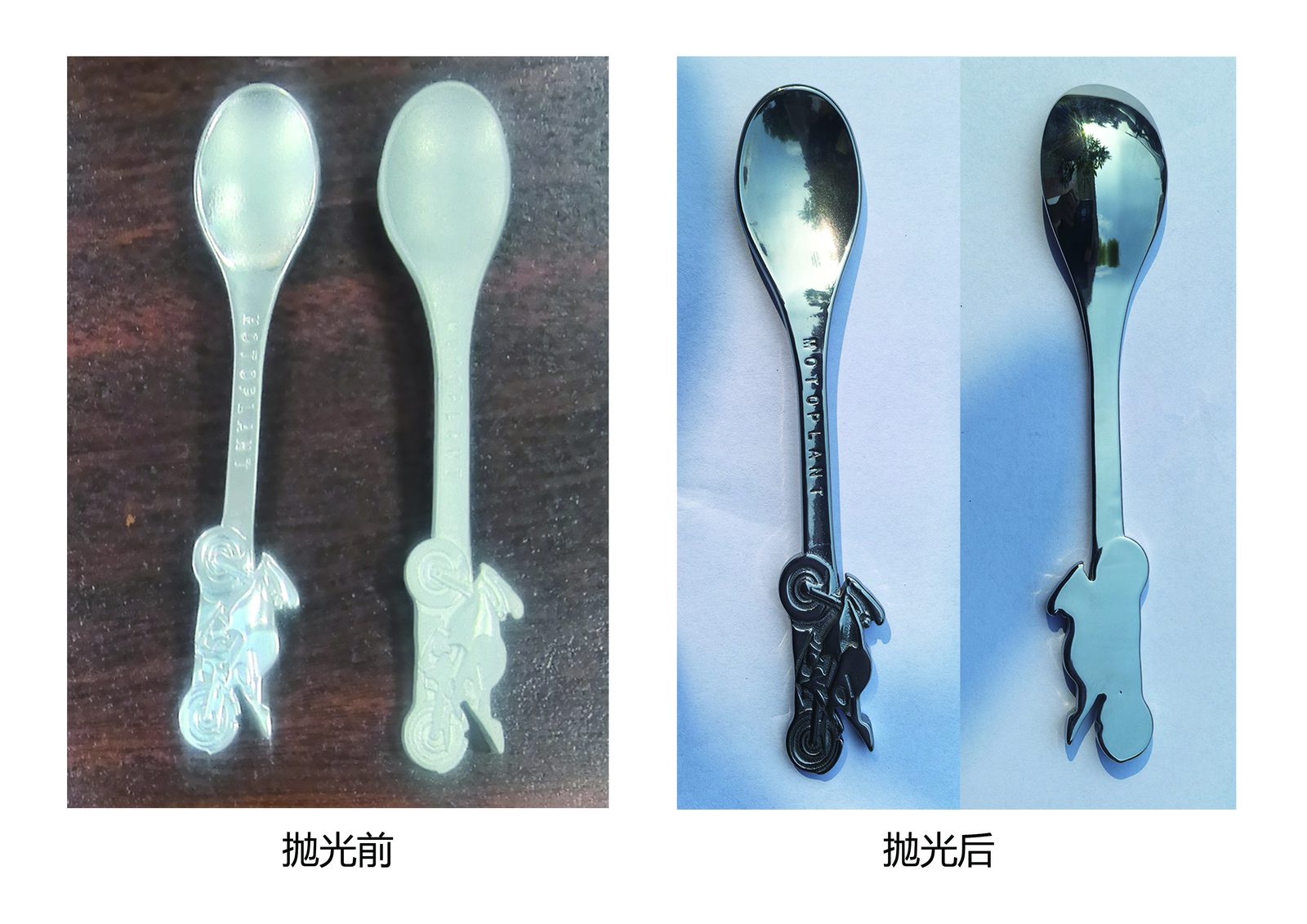
Verified Jings Polish compounds for deslagging and edge rounding
Never run wet sheet metal deslagging in plain tap water, which rusts carbon steel brackets immediately and clogs media pores with dark oxide mud. Match our verified chemical codes to each stage:
compound-MC8: Strips heavy laser oxide scale, mill scale, and surface rust on steel plate.compound-LC10: Accelerates deburring and metal edge rounding on tough laser and punch burrs.compound-JTJ20&compound-JTJ25: Coarse cutting support for stainless steel and general sheet metal.compound-JTS5: Fine polishing formulated specifically for thin-sheet metal parts.compound-JTJ50,compound-JTJ60&compound-HM3: Stainless brightening and fine final polishing support.
We supply liquid compounds for wet media systems and select pastes for dry tumbling, while never designing custom chemical cleaning formulas.
Step-by-Step Workflow for Deslagging and Edge Rounding
Following a clean four-stage routine keeps your sheet metal finishing machine turning out coat-ready, burr-free brackets every shift.
| Stage | Objective | Media & Compound Choice | Inspection Gate |
|---|---|---|---|
| 1. Sort & Knock Heavy Spatter | Separate alloys; remove oversized plasma lumps | Mechanical knock-off upstream if thick lumps exist | Zero mixed carbon/stainless lots or massive weld blobs |
| 2. Wet Deslag & Edge Round | Strip laser dross and break sharp perimeter edges | Ceramic (steel) or plastic (Al) + MC8 / LC10 |
Smooth perimeter touch; zero sharp kerf dross |
| 3. Optional Edge Polish | Lift uniform brightness on visible brackets | High-alumina / steel (JTJ50 / JTS5) or dry cob |
Uniform sheen across outer edges and cutouts |
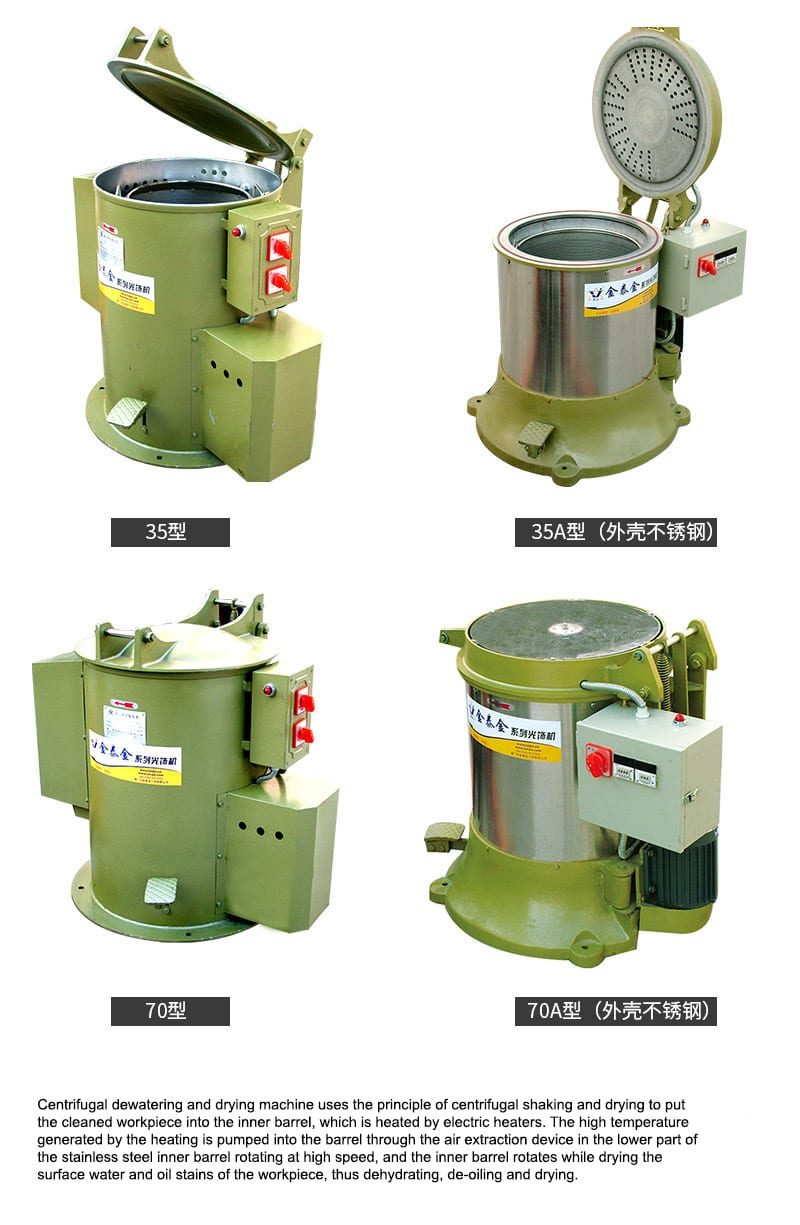
| 4. Clean Rinse & Spin Dry | Flush oxide silt and prevent flash rust | Clean rinse + heat centrifugal spin dryer (35 / 70) |
Bone-dry, spot-free parts ready for coating or assembly |
[DESIGN: Four-stage laser-cut steel bracket progression moving from raw slagged edge through ceramic + MC8 deslagging, smooth edge radiusing, and spin-dried coat-ready state]
Knocking loose heavy plasma blobs before loading
Batch vibratory chambers handle light-to-medium laser dross and normal punch burrs cleanly across hundreds of brackets at once. However, thick, golf-ball plasma slag overhangs should be knocked loose mechanically before loading so you do not waste ceramic media life grinding massive lumps. Pre-knocking heavy blobs keeps cycle times short and edge radii consistent.
Running MC8 and LC10 with continuous drain flushing
As ceramic triangles fracture brittle laser slag, fine black iron-oxide silt builds up inside the chamber. Keep fresh compound-water flow active and bowl drains clear so loosened slag flushes straight out of the tub instead of staining bare metal. Clean compound water delivers brighter metal and faster cutting.
Checking edge radius uniformity across cutouts and tabs
Inspect both outer perimeters and internal mounting holes after your initial test run. If outer edges round nicely while narrow slots stay sharp, switch to smaller angle-cut ceramic shapes that penetrate internal cutouts cleanly without bridging.
Rapid centrifugal spin drying to stop flash rust
Freshly descaled carbon and mild steel brackets have zero protective scale left, so air-drying in wet tote bins turns them orange with flash rust within minutes. Rinse batches cleanly and dry them immediately inside a heat centrifugal spin dryer (35, 35A, 70, or 70A models). See our post-finishing separate wash and dry guide for proper cell layout.
Common Mistakes in Sheet Metal Deslagging and Edge Rounding
Avoid these four shop-floor pitfalls when running batch sheet metal deslagging and metal edge rounding lines.
[DESIGN: Troubleshooting matrix showing four sheet metal finishing errors: bent thin tabs from heavy ceramic, wedged chips in laser slots, orange flash rust, and mixed-alloy rust stains]
Mixing carbon steel and stainless steel in the same ceramic charge
Running carbon-steel brackets in a sheet metal finishing machine and then loading 304 stainless panels into the same ceramic charge embeds free iron into the stainless steel—causing orange rust blooms days later. Keep carbon steel and stainless media bins strictly separated, a core rule covered in job shop finishing and stainless steel finishes.
Tumbling thin, delicate bent tabs with oversized ceramic chips
Heavy ceramic triangles slamming into thin, cantilevered sheet-metal tabs can bend flanges out of tolerance. For delicate formed brackets, switch to lighter resin-bonded plastic cones with compound-JTS5 (tailored for thin-sheet metal) and adjust media-to-part cushion carefully. Always test formed tabs on a small batch before full shift loading.
Expecting loose tumbling to preserve a directional brushed finish
If your stainless sheet part comes from pre-brushed coil stock and must keep strict straight-line grain, remember that loose tumbling rubs every surface non-directionally and softens brush lines. Check grinding and sanding marks and buffing stainless steel before tumbling pre-grained decorative sheet.
Skipping worn-media screening on slotted brackets
Broken ceramic fragments lodge tightly inside narrow laser-cut slots and threaded weld nuts, blocking assembly bolts downstream. Screen your media charge regularly and size fresh media against worn-chip dimensions so fragments pass straight through or stay safely larger than every slot.
How Xiamen Jin Tai Jin Builds Sheet Metal Finishing Lines
At Xiamen Jin Tai Jin Grinding Technology Co.,Ltd. (brand: Jings Polish), our workshop started in 1992 and our company was formally established in 2002, delivering over 200,000+ sets of grinding and polishing solutions to customers worldwide. Across our catalogue, we manufacture 21 machine platforms backed by 24 granted Chinese IP rights—including 1 invention patent, 17 utility model patents, and 6 design patents—under ISO 9001 certification 00726Q01571R001 (valid 2026-06-03 to 2029-06-02) and CE certifications M.2023.206.C88121 (Vertical, 8 models) and M.2023.206.C88120 (Horizontal, 13 models), valid until 2028-07-24.
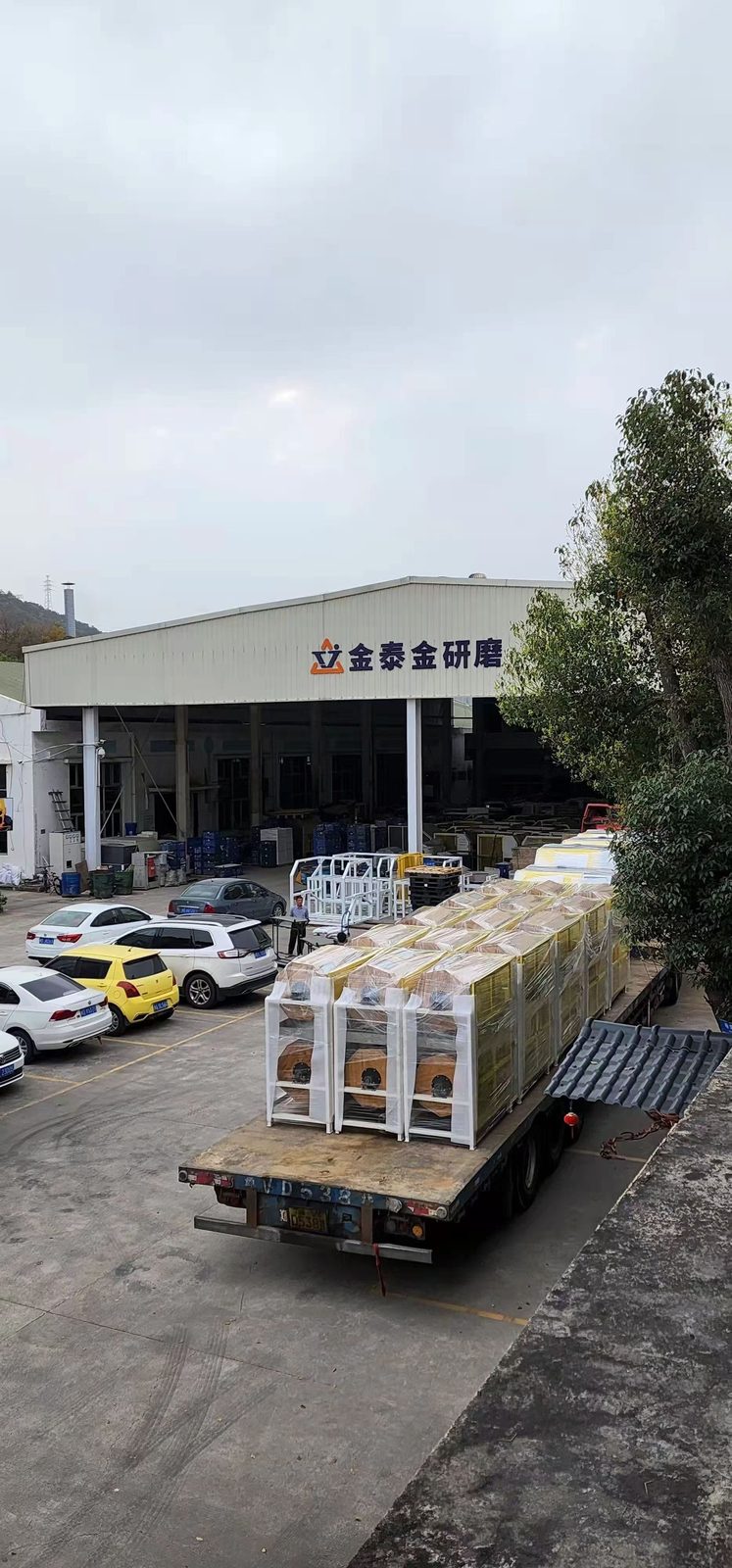
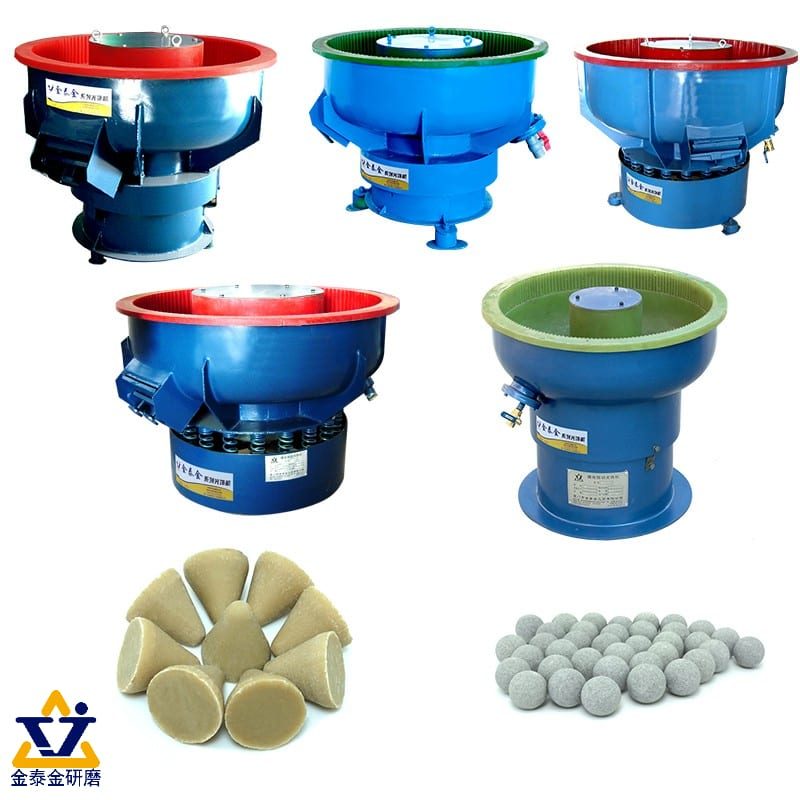
Vibratory bowls, troughs, dryers, and media we manufacture
We manufacture circular vibratory bowls (ZL series with built-in separation decks), long rectangular vibratory troughs (L1300, L1500, L1800), barrel finishing machines, centrifugal disc and barrel units (LLF120, LX series), drag finishers, heat centrifugal spin dryers (35, 35A, 70, 70A), and media cleaners. We also manufacture ceramic, plastic, high-alumina, steel, walnut shell, and corn cob media alongside our verified MC8, LC10, JTJ20, JTJ25, JTJ50, JTJ60, JTS5, and HM3 compounds.
Honest boundaries on what we do not supply
In line with our choosing a mass finishing supplier policy, we state our scope plainly. We do not build wide-belt sheet sanders, handheld angle grinders, or cloth buffing wheels; we do not supply sandblasting or shot-blasting equipment or blasting abrasives; we do not offer powder coating, painting, plating, passivation, or heat treatment; and we do not operate a contract job shop.
Standard and custom build lead times
Standard vibratory, barrel, and spin-drying equipment ships within a 25 to 35 day production lead time. Custom-engineered long troughs, compartmented dividers, and integrated separation lines carry a 45 to 60 day build lead time.
Requesting an initial assessment from part photos
We do not promise free mail-in sample trials or guarantee cycle times without checking your workpiece. Send clear photos of your laser-cut or punched sheet-metal parts showing slag, burrs, slot widths, plate thickness, and overall dimensions via our custom polishing solution page—our engineers can evaluate your photos and drawings to recommend the right sheet metal finishing machine and media setup.
Frequently Asked Questions
Can a vibratory finishing machine handle sheet metal deslagging?
Yes. For small-to-medium laser-cut brackets, gussets, and plates, a vibratory bowl or rectangular trough loaded with dense cutting ceramic media and compound-MC8 / compound-LC10 strips light-to-medium thermal slag and rounds sharp edges in one batch.
What is the best way to achieve uniform metal edge rounding on stamped parts?
Run stamped batches inside a circular vibratory bowl (ZL series) with ceramic triangles (for steel) or resin-bonded plastic cones (for aluminium and thin sheet). Vibratory spiral flow keeps flat plates separated and rounds outer edges and internal slots evenly.
Why did my thin sheet metal brackets stick together in a rotary barrel?
Flat sheet parts cling together face-to-face via surface tension inside slow cascading drums. Switch to a vibratory finishing bowl with generous media volume and lubricating compound so continuous vibration separates flat faces cleanly.
How do I get an edge polish without bending delicate sheet-metal tabs?
Use lightweight resin-bonded plastic cones paired with compound-JTS5 (formulated for thin-sheet metal) and maintain a full media cushion so heavy parts never strike bent flanges. For bright lustre afterward, follow with high-alumina balls or dry corn cob media.
Why did my carbon steel brackets rust right after deslagging?
Removing laser scale and mill scale exposes bare, active steel that flash-rusts rapidly in wet baskets. Run wet cycles with rust-inhibiting MC8 / LC10 compound, rinse cleanly, and dry immediately in a heat centrifugal spin dryer (35 or 70 series).
What photos should I send before ordering a sheet metal finishing machine?
Send clear close-up photos showing the laser dross or punch burrs, smallest mounting slot widths, bent flange geometry, overall part dimensions, alloy type, and daily batch volume. Our engineers can recommend chamber size and media grade from photos and drawings.
[DESIGN: Annotated buyer enquiry checklist showing laser-cut kerf close-ups, bent flange angles, and slot width notes]
 +86-592-2381506


 IPv6 network supported
