
Stainless Steel Tumbler Media in Production: Choosing Balls, Pins, and Satellites Without Dimpling Soft Alloys
Production engineers and metal finishers ordering stainless steel tumbler media often expect hard steel shot to act like an all-in-one miracle abrasive—removing heavy stamping burrs, erasing CNC milling tracks, and leaving a mirror polish in one pass. Instead, they pull out parts with bright shiny burrs still intact, or soft aluminum brackets covered in wavy "orange-peel" craters.
The central thesis of this guide is clear: stainless steel tumbler media (304 balls, tapered pins, cones, and satellites) is a non-abrasive cold-working burnishing medium—not a cutting stone—designed to compress already-smooth surfaces into dense mirror luster inside vibratory bowls, rotary barrels, or magnetic pin tumblers paired with PL10 lubricating compound. Expecting steel shot to cut heavy burrs fails every time, while dropping heavy steel balls onto soft aluminum ruins flat faces. For related media and burnishing guides, see our steel shot burnishing media guide, tumbler media guide, and magnetic tumbler guide.
Burnishing Compression vs. Abrasive Cutting: What Steel Media Actually Does
Understanding the physical difference between abrasive ceramic stones and smooth stainless steel shot prevents most shop-floor setup errors.
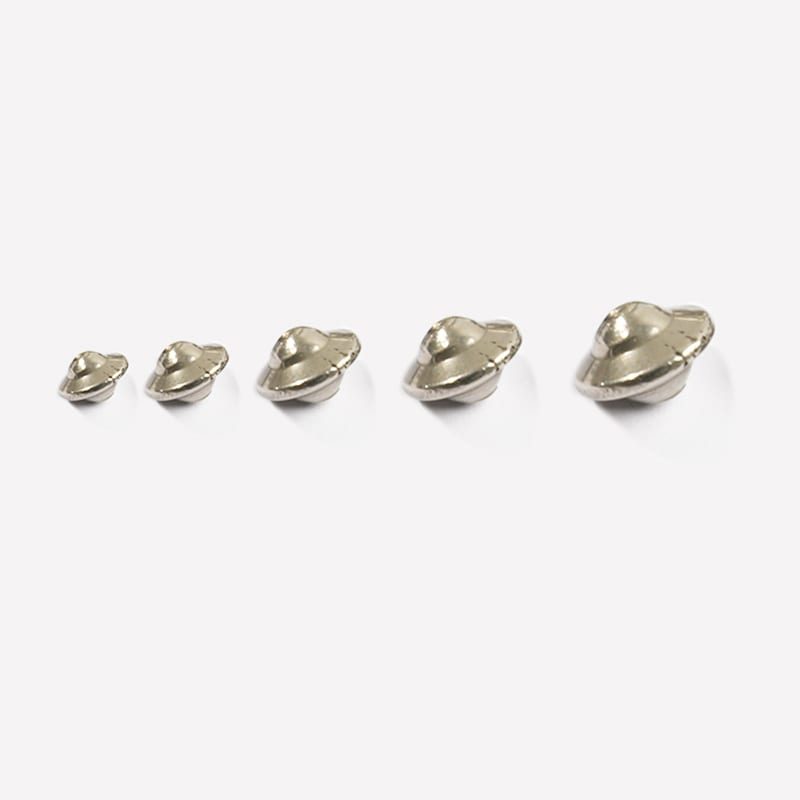
Zero Material Removal—Pure Plastic Peak Compression
Preformed ceramic and resin-bonded plastic media contain sharp abrasive grains (aluminum oxide, silicon carbide, quartz) that shear burrs off and scratch away surface valleys. Smooth hardened stainless steel tumbler media contains zero abrasive grit: thousands of dense steel contacts peen and flatten microscopic surface peaks cleanly without generating abrasive mud.
Why Rough Scratches and Burrs Still Need Stage 1 Ceramic First
Because stainless steel shot cannot cut away deep die draw marks, laser oxide scale, or sharp stamping burrs, running raw parts straight in steel media merely polishes the rough peaks and burrs bright—leaving sharp edges intact. Always level rough marks during Stage 1 ceramic or plastic cutting (LC10/MC8) before transferring clean parts into steel burnishing.
Cold-Working Surface Density and Corrosion Resistance
On 304 stainless steel, brass, copper, and silver, gentle high-pressure ball burnishing closes microscopic surface pores and compresses a denser outer skin—improving both visual reflectivity and resistance to handling tarnish.
| Media Family | Primary Physical Action | Removes Heavy Burrs? | Surface Finish Produced | Best Machine Match |
|---|---|---|---|---|
| Preformed Ceramic Media | Abrasive shear & grinding | Yes | Uniform matte satin | Vibratory bowl, barrel, centrifugal disc |
| Resin-Bonded Plastic Media | Gentle soft-alloy cutting | Light burrs only | Fine smooth pre-polish matte | Vibratory bowl, divided trough, drag |
304 Stainless Steel Balls / Cones |
High-mass cold-working burnish | No (peens flat only) | Dense bright mirror luster | Heavy-duty vibratory bowl, rotary barrel |
304 Stainless Magnetic Pins |
High-speed magnetic micro-peening | Feather burrs only | Bright internal bores & crevices | Wide-table OBD magnetic tumbler |
[DESIGN: Four-panel comparison of raw stamped burr, ceramic-cut matte satin, steel-ball mirror burnish, and orange-peel dimpling from dry/over-heavy steel]
Choosing the Right Shape: Balls, Pins, Cones, and Satellites
Pure round steel balls roll smoothly over broad curved surfaces yet miss every 90-degree corner fillet and recessed lug pocket.

Round Balls for Broad Curved Faces and Domed Hardware
Spherical steel balls carry maximum rolling contact area, flattening broad stainless spoon bowls, brass valve bonnets, and domed hardware into uniform distortion-free reflectivity.
Cones, Satellites, and Diagonal Cylinders for Corners and Grooves
Blending angled steel cones, oval satellites, or diagonal-cut cylinders with round balls ensures narrow edges reach straight into 90-degree weld fillets, embossed logos, and stamped decorative grooves where spheres bridge over empty air.
Fine 304 Magnetic Pins for Internal Cross-Holes and Filigree
Unlike tumbling balls, straight 304 stainless steel pins are engineered for rotating magnetic-field tumblers—spinning rapidly inside tight hydraulic cross-bores, heatsink fins, and jewelry prongs on non-ferrous and 304 stainless parts.
Non-Lodging Sizing Rules Across Slots and Threads
Measure the narrowest slot, louver, and tapped hole on your part before ordering stainless steel tumbler media. Keep balls and cones strictly larger than every vulnerable opening (or use fine magnetic pins small enough to pass straight through freely) so steel pieces never jam inside bores.
Alloy Compatibility: Where Stainless Media Shines vs. Where It Fails
Steel density is roughly three times higher than ceramic and nearly four times higher than aluminum—making alloy hardness critical.
[DESIGN: Alloy compatibility chart comparing 304 stainless, brass/copper, carbon steel, and soft 6061 aluminum in steel media]
Austenitic 304 Stainless Steel, Brass, Copper, and Bronze
These alloys pair naturally with 304 stainless steel media (PL10 burnishing compound). Stainless cutlery, wheel trim rings, brass cartridge cases, and bronze fittings compress rapidly to showroom brightness.
Why Soft 6061 / 7075 Aluminum Bruises Under Heavy Steel Balls
Because aluminum has far lower yield strength and one-third the density of steel, heavy steel balls hammer dimples ("orange peel") into flat aluminum housings and bend thin tabs—while risking trace iron transfer if any carbon-steel dust enters the charge. Stick to resin-bonded plastic cones and high-alumina porcelain spheres for aluminum polishing.
Magnetic Carbon Steel in OBD Pin Tumblers vs. Vibratory Bowls
In wet vibratory bowls and rotary barrels, sturdy carbon-steel hardware can be burnished with 304 steel balls provided rust-inhibiting JTJ50/PL10 chemistry and immediate heated spin-drying prevent flash rust. In magnetic pin tumblers, however, strongly ferromagnetic carbon steel distorts the magnetic field—pins clamp onto the part instead of tumbling. Reserve magnetic pin tumblers strictly for non-ferrous alloys and non-magnetic 304 stainless.
| Workpiece Alloy | Vibratory / Barrel Steel Balls? | OBD Magnetic Pin Tumbler? | Key Risk to Prevent |
|---|---|---|---|
304 Stainless Steel |
Excellent (Stage 2 after ceramic) | Excellent (internal bores & bright) | Stray Stage 1 ceramic grit scratching mirror |
| Brass / Copper / Bronze | Excellent (with PL10) |
Excellent (fast crevice brightening) | Ammonia soaps or slow hard-water drying |
| Carbon / Mild Steel | Good (requires rust inhibitor + spin-dry) | Poor (part magnetizes & pins clump) | Orange flash rust between unload and dry |
6061 / 7075 Aluminum |
Avoid heavy steel (use porcelain/plastic) | Light pin cycles only (watch bruising) | "Orange peel" dimpling & high-pH etching |
[DESIGN: Decision matrix mapping workpiece alloy to vibratory steel ball burnishing, OBD magnetic pin tumbling, or plastic/porcelain alternatives]
Machine Requirements: Can Your Tumbler Carry Heavy Steel Media?
Before dumping bags of stainless steel tumbler media into an existing machine, verify structural and drive ratings.
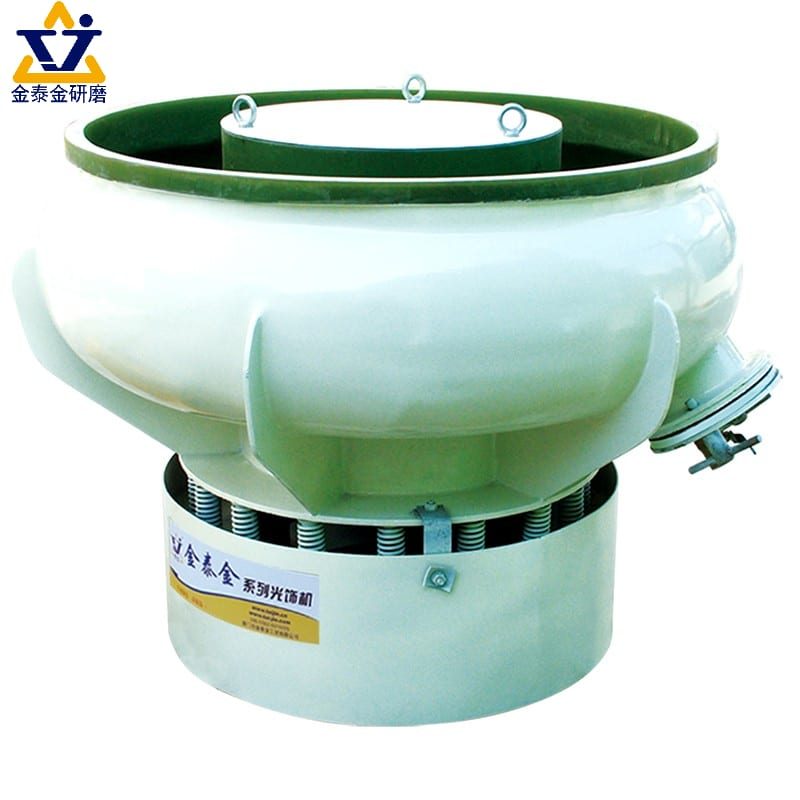
Drive Motor Torque and Spring Suspension for Dense Steel Loads
A full chamber of stainless steel balls weighs dramatically more than the exact same volume of plastic cones or ceramic triangles. Under-powered hobby tumblers and light-duty bowls stall, overheat drive windings, or bottom out suspension springs under steel shot. Industrial wide-channel vibratory grinders and heavy-duty rotary barrels must be rated for steel-media load capacity.
Thick Cast Polyurethane Lining Protects Parts and Reduces Noise
Steel balls tumbling inside bare steel drums create deafening noise and risk iron contamination. Thick poured-cast polyurethane chamber linings absorb heavy shot impacts quietly while keeping stainless media clean.
Compound Lubrication (PL10) and Water Cushioning Level
Never run stainless steel burnishing balls dry or with plain tap water. Generous PL10 burnishing compound creates a slick, foaming hydrodynamic cushion that keeps steel shot gliding across part faces without galling or peening orange-peel craters—while holding dark metallic wear fines in suspension until rinse-out.
Keeping Stainless Media Clean, Bright, and Rust-Free Between Campaigns
Well-maintained 304 stainless steel media lasts for years with minimal wear loss—provided you keep oil and ceramic grit out of the charge.
Stripping Oil Carryover Before Loading Steel Media
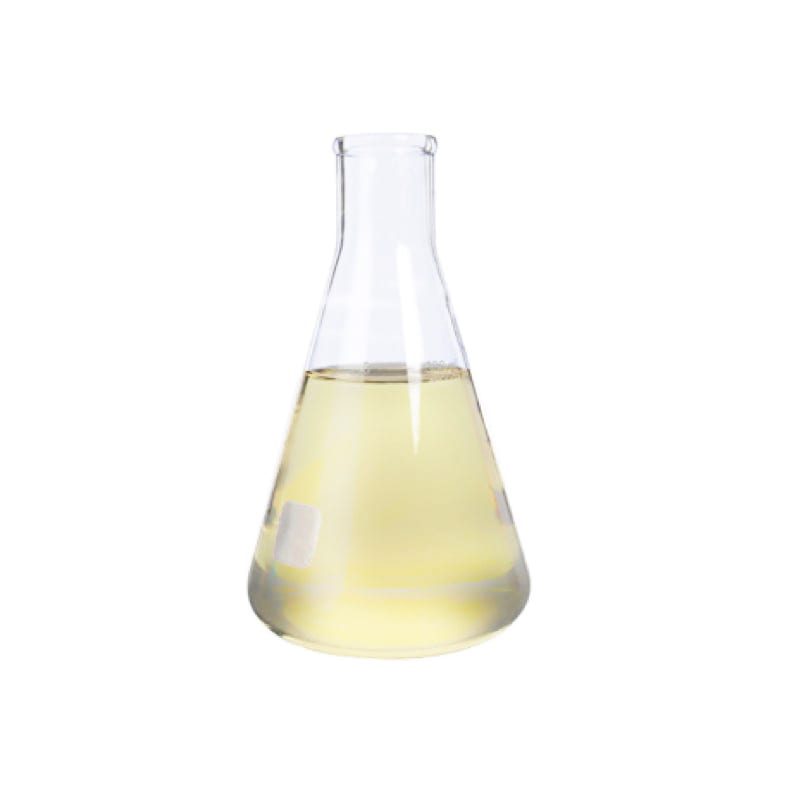
Stamping press lubricant and CNC cutting oil coat steel balls on contact, collapsing PL10 foam and turning bright parts dull gray. Always pre-degrease oily parts—or complete wet Stage 1 ceramic cutting with LC10—before loading parts into your burnishing charge.
Periodic Hot-Water Reconditioning With Fresh PL10
Whenever burnishing solution turns dark gray or parts emerge slightly hazy, drain the dirty water completely and run the empty steel media charge briefly in clean hot water with fresh PL10 until drain water runs clear.
Wet Submerged Storage vs. Dry Rust-Protected Storage
Even 304 stainless steel media can develop faint surface staining if left half-damp in dirty acidic sludge over long weekends. Either store steel media submerged in clean water charged with mild alkaline rust-inhibiting compound, or rinse clean and dry thoroughly before bagging.
Common Failure Modes When Using Stainless Steel Tumbler Media
Recognizing these four setup errors stops wasted cycles immediately.
[DESIGN: Troubleshooting gallery showing orange-peel peening, gray oil haze, lodged steel pins, and un-removed raw burrs]
"Orange Peel" Wavy Dimples on Thin Sheet Stampings
Using oversized steel balls with low PL10 lubrication hammers tiny craters into thin-gauge flat faces. Step down ball diameter, raise PL10 concentration, and raise chamber water level slightly to cushion impacts.
Hazy Gray Film Coating Mirror Stainless Parts
Dirty recirculated PL10 water or residual Stage 1 oil smeared metallic sludge back onto parts. Flush the steel media charge clean and run steady clean rinse water upon unload.
Steel Pins Wedged Inside Fine Blind Holes or Knurling
Magnetic pins sized too close to drilled hole diameters wedge sideways inside tight bores. Match pin diameter cleanly to bore geometry and inspect blind holes under bright task lighting after heated centrifugal drying.
Scratching From Stray Stage 1 Ceramic Fragments
A single chipped ceramic triangle carried inside a hollow part into the steel burnishing bowl scores fresh scratches across the entire mirror batch. Keep ceramic cutting and steel burnishing in strictly separated machines and wash transfer baskets thoroughly.
Mixing Stainless Steel Pins With Carbon Steel Parts Inside Magnetic Tumblers
Loading ferromagnetic carbon steel screws or brackets into an OBD magnetic tumbler causes the magnetic field to magnetize the workpiece itself—pulling 304 stainless pins into tight static clumps against the part instead of sweeping freely across bores. Reserve magnetic pin tumblers strictly for non-ferrous metals and non-magnetic 304 stainless steel.
[DESIGN: Diagram showing clean non-magnetic 304 pin circulation vs magnetic clamping failure on ferromagnetic carbon steel]
Honest Boundaries: What We Do and Do Not Supply
At Xiamen Jin Tai Jin Grinding Technology Co.,Ltd. (brand: Jings Polish), our workshop roots date back to 1996 and our company was formally established in 2009, delivering over 200,000+ sets of grinding and polishing solutions worldwide. Across our catalogue, we manufacture 21 machine platforms backed by 24 granted Chinese IP rights (1 invention patent, 15 utility model patents, and 8 design patents), under ISO 9001 certification 00726Q01571R001 (valid 2026-06-03 to 2029-06-02) and CE certifications M.2023.206.C88121 (Vertical, 8 models) and M.2023.206.C88120 (Horizontal, 13 models), valid until 2028-07-24.

Equipment, Media, and Compounds—Not Contract Burnishing Services
We manufacture and supply heavy-duty vibratory bowls, divided troughs, rotary barrels, wide-table OBD magnetic tumblers, heated dryers, 304 stainless steel balls/pins/cones/satellites, ceramic/plastic/porcelain media, and PL10/LC10/MC8/JTJ50 compounds. We do not run a contract job-shop polishing service. Standard machines ship in 25–35 days, while custom lines require 45–60 days.
No Shot Peening, Blasting Grit, or Chemical Acid Passivation
We do not supply dry shot-peening equipment, sandblasting steel grit, electroplating baths, or strong acid passivation lines. For rough burr removal and surface-roughness prep ahead of burnishing, see our metal edge finishing guide and superfinishing guide.
Engineering Review Before Recommending Media & Machines
Because alloy hardness, narrowest slot/hole width, part thickness, and existing machine drive ratings govern steel shot sizing, we do not promise free mail-in sample trials or guarantee cycle times before inspecting your workpiece—send clear photos of your parts and dimensions via our custom polishing solution page for an engineering assessment.
Buyer Checklist & FAQ for Stainless Steel Tumbler Media
Review these practical benchmarks before ordering steel burnishing media or upgrading your finishing bowl.
[DESIGN: Annotated stainless steel tumbler media enquiry checklist showing alloy, smallest hole/slot width, starting surface, and machine type]
Can I replace ceramic media with stainless steel tumbler media to avoid media wear?
Only if your parts already arrive completely burr-free and scratch-free. Steel media never wears down significantly, yet it cannot cut away stamping burrs or deep CNC ridges—it only burnishes already-leveled surfaces bright.
How do I separate finished non-magnetic 304 stainless parts from 304 stainless steel balls?
Because both 304 parts and 304 balls are non-magnetic, use an inclined vibrating separation screen deck sized cleanly between the part's shortest dimension and the steel ball diameter so balls drop through the screen back into the bowl while parts travel forward.
Why did my 304 stainless magnetic pins stick together in clumps?
Residual grease from unwashed parts or dried compound film glued pins together, or the magnetic tank lacked sufficient water/soap lubrication. Flush pins in clean hot water with fresh PL10 before starting the next cycle.
Should I use round steel balls or a blended mix of balls, cones, and pins?
For completely smooth domed hardware, round balls alone work well; for real production parts with 90-degree weld fillets, stamped logos, or lug recesses, a blended mix of balls, cones, and satellites reaches tight corners that round spheres bridge over.
Why do stainless steel burnishing balls require higher PL10 water levels than ceramic cutting?
Ceramic cutting relies on sharp abrasive grit rubbing directly against metal peaks under light soap lubrication, whereas steel ball burnishing relies on smooth hydrodynamic compression without galling or peening dimples. Raising the PL10 compound water level creates a buoyant foam cushion that keeps dense steel shot gliding smoothly across flat faces while carrying dark metallic wear residue into the drain flow.
Can stainless steel tumbler media remove heavy TIG weld heat tint on 304 fabrications?
No. Smooth 304 stainless balls, cones, and pins cannot strip brittle weld oxide scale or heat tint on their own. Run Stage 1 preformed ceramic cutting paired with MC8 descaling compound first to break away weld oxide and heat tint cleanly, then flush parts thoroughly and transfer them into steel ball burnishing (PL10) for bright uniform luster.
How does cast polyurethane lining protect stainless steel media charges over multi-year use?
Thick poured-cast polyurethane chamber linings absorb heavy metallic impacts quietly and prevent bare carbon-steel tank walls from rusting or shedding iron dust into your 304 stainless ball charge. Keeping the chamber lining intact preserves clean mirror brightness and eliminates rust staining across weekend shutdowns.
What happens if heavy forged parts are loaded into stainless steel media without enough cushioning volume?
When the steel media-to-part volume ratio drops too low, heavy workpieces collide directly against each other inside the bowl—denting corners and scuffing newly burnished faces. Always keep a generous blanket of steel shot surrounding every workpiece so parts float and roll inside the media bed rather than striking neighboring hardware.
Can 304 stainless steel pins in a magnetic tumbler polish cast zinc or pewter parts?
Yes, provided you keep cycle times short, use neutral PL10 or JTS5 lubrication, and choose fine pins rather than oversized heavy balls. Because cast zinc (Zamak) and pewter are soft, low-density alloys, gentle short magnetic pin cycles brighten recesses cleanly without battering thin edges.
How do I prevent stainless steel balls from rusting or staining during long weekend shutdowns?
Even 304 stainless steel burnishing media can pick up faint surface discoloration if left sitting half-submerged in dirty acidic sludge or iron-contaminated rinse water. At the end of the week, flush the media bed thoroughly with clean water and fresh alkaline PL10 compound, then either drain and spin-dry completely or keep the charge submerged in clean rust-inhibited compound water.
When should a factory choose high-alumina porcelain spheres instead of stainless steel tumbler media?
Choose smooth high-alumina porcelain spheres whenever your existing vibratory bowl's drive motor and springs are not rated for heavy steel shot density, or when running soft 6061 aluminum brackets and chemically accelerated steel isotropic gearsets that require gentle peak wiping rather than high-mass cold-worked ball burnishing.
Why do small stamped brass or stainless washers stick together inside steel ball burnishing?
Thin flat washers trap soapy PL10 water between mating faces and ride through the bowl as stacked pairs, leaving inner faces unburnished. Raise your steel media-to-part volume ratio, avoid overloading batch weight, and feed flat stampings evenly across the moving media bed so steel balls wedge between every piece.
How long does a charge of 304 stainless steel tumbler media typically last in daily production?
Unlike abrasive ceramic stones that wear down continuously as they grind metal, hardened 304 stainless steel balls, cones, and pins experience virtually negligible wear loss across years of proper wet lubricated operation—making ongoing cost mostly PL10 compound and occasional make-up replenishment for lost pieces during separation.
Can stainless steel tumbler media polish welded stainless steel brackets with dark heat tint?
No—not by itself. Smooth stainless steel balls and cones slide over hard TIG or MIG weld oxide scale without stripping the heat tint away. Always run Stage 1 preformed ceramic cutting paired with MC8 descaling compound first to remove weld discoloration and smooth weld transitions, then rinse thoroughly and transfer into PL10 steel ball burnishing for bright uniform luster.
What details should I share before requesting a quote for stainless steel tumbler media or burnishing machines?
Send clear photos of your parts showing raw burrs or target gloss, alloy grade, overall part dimensions and weight, narrowest hole or slot width, and existing machine model (if retrofitting) via our custom polishing solution page. Also note whether parts already arrive smooth from machining or still carry stamping burrs and scale requiring Stage 1 ceramic cutting, and your hourly batch volume. Our engineers will size the exact steel media shape blend, PL10 burnishing compound dosing, heated centrifugal or cob dryer, and heavy-duty vibratory or wide-table magnetic tumbler platform tailored reliably to your production line, floor footprint, and daily batch output.

 +86-592-2381506


 IPv6 network supported
