
Cutlery Polishing Machine in Production: Rotary Barrels, Vibratory Bowls, and Steel Burnishing for Flatware
Cutlery factories, commercial kitchenware OEMs, and hospitality flatware suppliers researching a cutlery polishing machine quickly discover that stamped 304, 410, and 430 stainless steel spoons, forks, and knife handles expose every shortcut in surface finishing: fork tines interlock like velcro inside the wrong bowl, thin spoon bowls bend under overloaded drums, and hard-water stains ruin mirror luster right at the unload chute.
The central thesis of this guide is clear: reliable industrial cutlery polishing separates edge-deburring and draw-line leveling from final mirror compression—pairing wide-channel vibratory bowls or cushioned rotary barrels with preformed ceramic media for stamping burrs, followed by blended stainless steel burnishing balls, pins, and satellites plus heated corncob drying. Running one dirty barrel for everything leaves nested fork tines dull and scratched. For related flatware and stainless workflows, see our flatware and pewter finishing guide, stainless steel polisher guide, and corncob drying media guide.
Why Stamped and Forged Cutlery Demands Specialized Mass Finishing
Flatware looks simple on a dining table, yet every fork, spoon, and table knife combines three geometric features that fight standard tumbling.

Sharp Blanking Burrs Along Fork Tines and Spoon Bowls
Sheet-metal blanking presses leave crisp shear burrs along spoon rims and narrow gaps between fork tines. If those edges are not radiused uniformly before final burnishing, the finished fork feels rough on the lip and snags polishing cloths.
Tine Tangling and Spoon Nesting Inside Under-Supported Bowls
Curved soup spoons stack tightly inside each other like nested shells whenever the media-to-part volume ratio drops too low, while four-tine forks hook onto neighboring fork handles and travel through the entire cycle as locked clumps. Once pieces nest, inner bowl faces receive zero media contact.
Ferritic vs. Austenitic Stainless Alloy Response
Commercial cutlery spans non-magnetic austenitic 304 (18/8 / 18/10) stainless steel and magnetic ferritic 430 / martensitic 410 knife-blade stainless. Austenitic 304 work-hardens quickly under aggressive friction, whereas 410/430 requires strict rust-inhibited rinse control so damp blanks do not spot between stages.
| Cutlery Geometry Challenge | Common Failure Symptom | Machine & Media Fix |
|---|---|---|
| Nested curved soup spoons | Unpolished matte centers inside bowls | Raise media-to-part ratio; maintain buoyant PL10 water level |
| Interlocked fork tines | Bent tines & uneven slot deburring | Use tapered ceramic/steel pins + controlled batch feed |
| Thin knife-blade edges | Rolled or blunted cutting edge | Isolate hollow-handle burnishing or protect precision edges |
| Hard-water drying streaks | Milky spots on mirror spoon backs | Heated corncob media drying bowl + softened rinse |
[DESIGN: Four-panel comparison of nested spoons, tangled fork tines, hard-water streaks, and clean mirror-burnished flatware]
Selecting the Right Cutlery Polishing Machine Platform
No single chamber suits every cutlery step from raw press blanking to final showroom luster.
Wide-Channel Circular Vibratory Bowls for Continuous Deburring and Burnishing
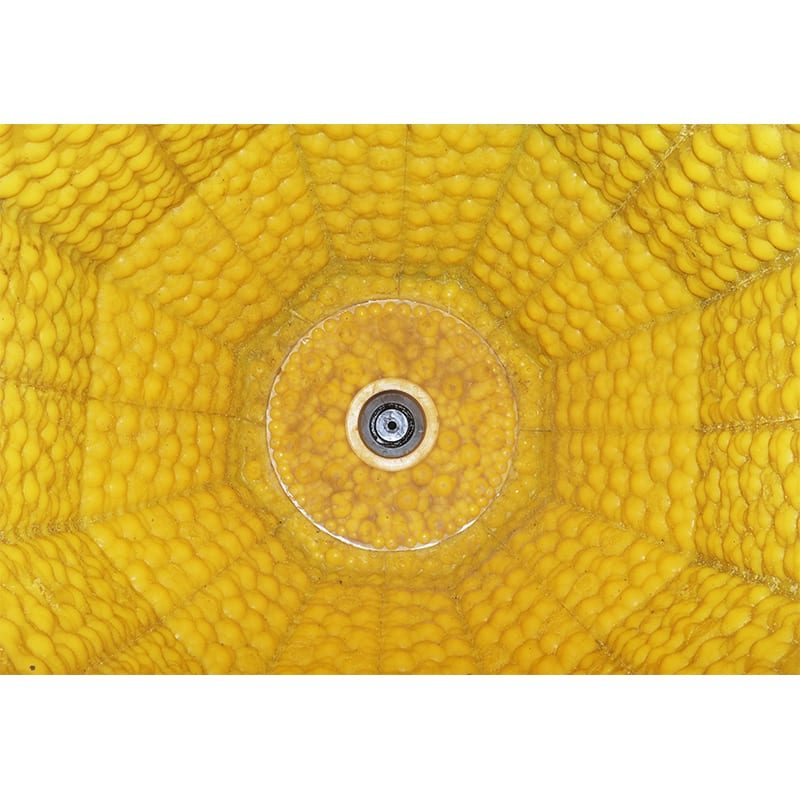
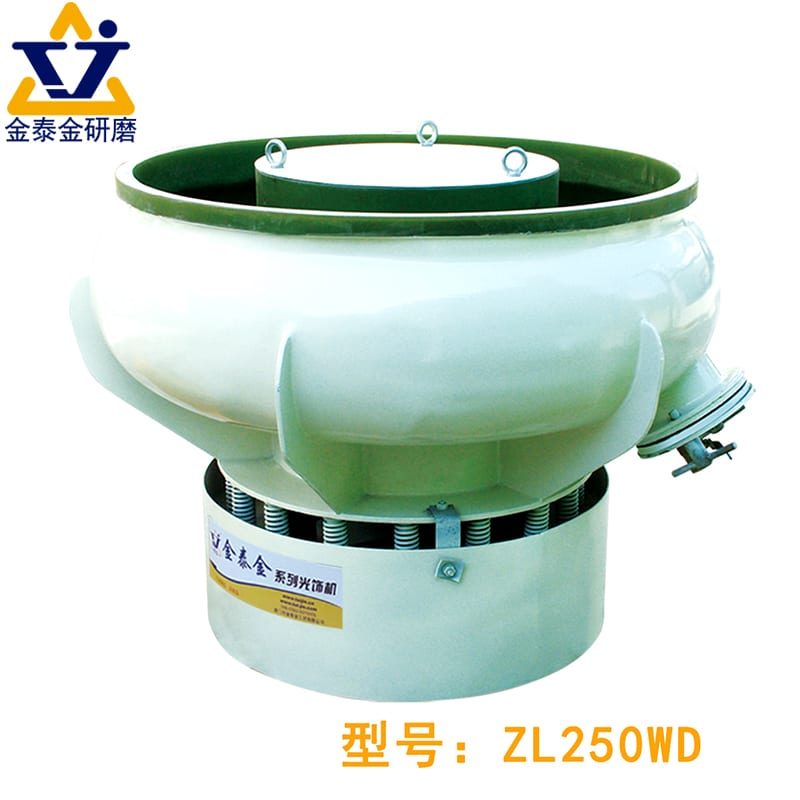
For high-throughput stamped spoons and forks, a heavy-duty polyurethane-lined vibratory grinder with a wide processing channel keeps flatware separated inside a vigorous toroidal media roll. Built-in pneumatic separation flaps and vibrating screen decks discharge finished cutlery cleanly while retaining ceramic or steel media inside the bowl.
Divided Rectangular Vibratory Troughs for Long Steak Knives and Carving Sets
Long forged carving knives, serving ladles, and oversized tongs bridge across narrow circular bowls and hammer neighboring handles. A rectangular vibratory trough with removable polyurethane-lined dividers supports long handles straight along the trough axis—delivering uniform edge smoothing without handle dents.
Octagonal Rotary Barrels for Heavy Batch Deburring and Dry Cob Polishing
When budgets favor rugged batch simplicity for sturdy forged handles or post-rinse dry polishing, an octagonal rotary barrel tumbles flatware smoothly at controlled rotation speed. Keep batch fill levels balanced so heavy cutlery pieces cascade inside the media blanket rather than crashing against bare barrel ribs.
Why Magnetic Tumblers Only Suit Non-Magnetic 304 Trim—Not 410/430 Blades
Compact magnetic tumblers work well for small 304 austenitic stainless accents, bolster caps, and hollow-ware fittings, because magnetic flux passes through 304 cleanly. However, magnetic 410 and 430 cutlery alloys stick straight to the spinning magnet pins instead of tumbling freely—making vibratory bowls and rotary barrels essential for mixed-alloy flatware plants.
| Machine Platform | Best Cutlery Stage | Part-Separation Risk | Throughput Fit |
|---|---|---|---|
| Wide-Channel Vibratory Bowl | Stage 1 ceramic cut & Stage 2 steel burnish | Low (integrated screen deck) | High-volume spoons & forks |
| Divided Rectangular Trough | Long knives, ladles, serving spoons | Zero collision (compartmentalized) | Oversized & long-handle cutlery |
| Octagonal Rotary Barrel | Heavy handle smoothing & dry cob polish | Manual screen unload | Rugged batch production |
| Heated Corncob Vibratory Dryer | Final moisture wipe & streak-free gloss | Automatic screen separation | Mandatory final step on mirror lines |
[DESIGN: Production line diagram linking Stage 1 ceramic cut bowl, clean rinse, Stage 2 steel ball burnishing bowl, and Stage 3 heated cob dryer]
Two-Stage Wet Processing: Ceramic Cutting vs. Steel Ball Burnishing
Expecting shiny steel balls alone to remove sharp blanking burrs on raw stainless cutlery wastes hours and leaves orange-peel bumps over rough edges.
Stage 1: Preformed Ceramic Media and LC10 to Radius Blanking Edges
Load stamped blanks into a vibratory bowl or rotary barrel with dense preformed ceramic triangles or angle-cut cylinders paired with LC10 cleaning and grinding compound. Sharp ceramic corners shear away blanking burrs along fork tine slots and spoon edges while blending fine press-die scratches into a uniform satin surface.
Stage 2: Blended Stainless Steel Shot (304) and PL10 for Mirror Compression
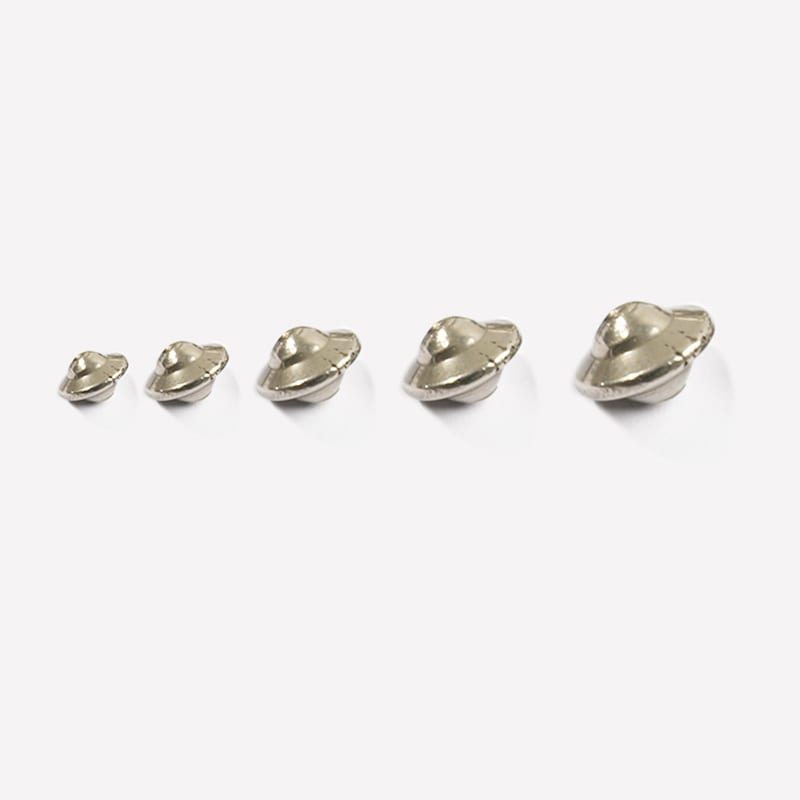
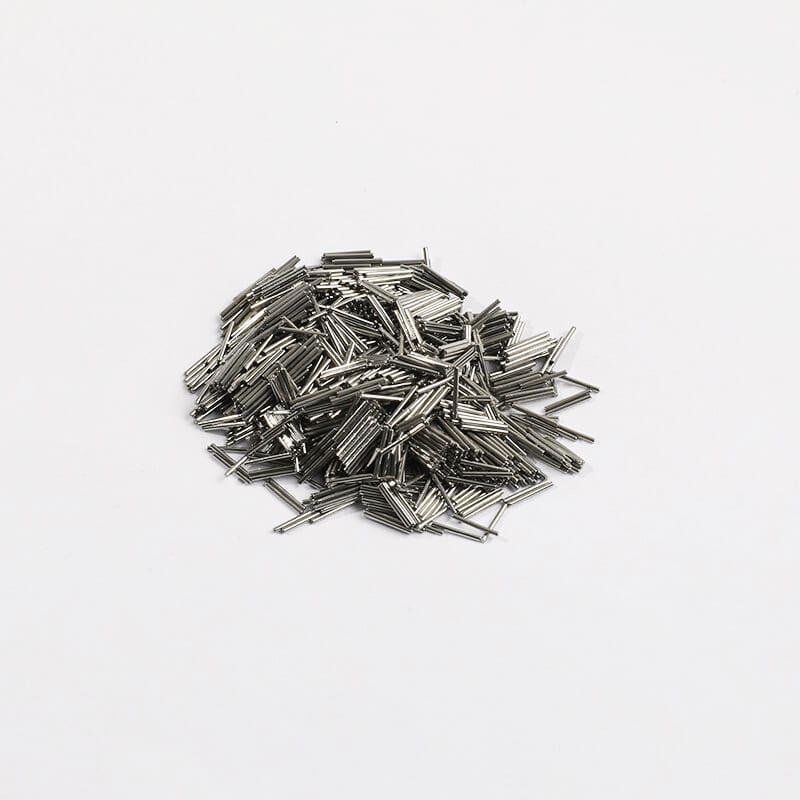
Once edges are smoothly radiused, rinse the cutlery completely free of ceramic grit and load parts into stainless steel burnishing media—a blended charge of round balls, tapered pins, and satellite shapes—with high-lubricity PL10 burnishing compound. Round balls compress broad curved spoon bowls into a dense mirror skin, while tapered pins and satellites reach cleanly between narrow fork tines.
Why Porcelain Spheres Are a Secondary Option Only
Where motor capacity cannot carry a full charge of dense steel shot, high-alumina porcelain spheres can brighten clean stainless cutlery gently, though stainless steel ball burnishing achieves noticeably higher cold-worked mirror depth and resists surface smearing better on commercial flatware.
Preventing Ceramic Grit Carryover Into the Steel Burnishing Bowl
Even a tiny handful of broken Stage 1 ceramic chips carried inside a spoon bowl into the Stage 2 steel burnishing bowl will scratch newly compressed mirror faces across the entire batch. Always use separate dedicated chambers—or thoroughly flush parts and baskets—between cutting and burnishing.
Managing Steel Media Volume and Bowl Water Level for Flatware
Steel burnishing balls weigh several times more per liter than ceramic stones. Before loading a full batch of 304 spoons or forks, verify that your vibratory bowl's drive motor and heavy-duty suspension springs are rated for stainless steel shot, and keep PL10 water flow balanced so parts float cleanly inside the rolling media bed without hammering against the polyurethane floor. For broader media density comparisons, see our tumbler media guide.
Spot-Free Drying and Dry Cob Polishing for Mirror Cutlery
Commercial restaurant and retail buyers inspect flatware under bright showroom lights; a single dried water ring on a soup spoon triggers inspection rejection.
Flushing PL10 Foam Immediately Upon Unload
PL10 burnishing compound keeps fine metallic wear debris suspended in foam. Always spray-rinse cutlery immediately as it exits the burnishing screen deck using clean softened or deionized water before foam dries onto concave spoon bowls.
Heated Corncob Media Bowls for Absorption and Final Wipe
Rather than letting parts air-dry in wire baskets, feed wet rinsed cutlery directly into a heated vibratory dryer filled with clean dry corncob media. Warm cob granules wick trapped water droplets from between fork tines and buff away faint mineral film, discharging bone-dry, spotless flatware ready for automated packaging.
Heated Centrifugal Spin-Drying for Compact Handles and Bolsters
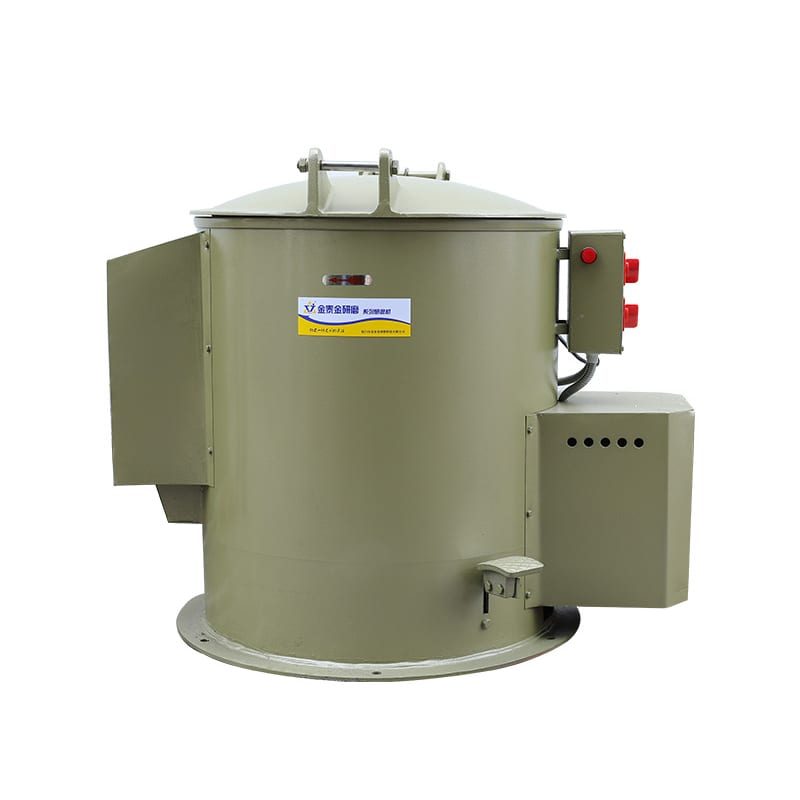
For thick forged bolsters, small dessert forks, and heavy steak-knife ferrules that do not nest, a heated centrifugal dryer spins off bulk water rapidly in heated airflow before final inspection.
Handling Knife Blades, Hollow Handles, and Mixed Cutlery Batches
Not every piece in a flatware set tolerates aggressive bulk tumbling equally.
Protecting Pre-Sharpened or Serrated Knife Edges
Never tumble pre-sharpened bevels or fine serrated steak-knife teeth inside heavy ceramic cutting media—aggressive media rounds cutting edges and dulls serrations. Perform all heavy mass finishing on blanks before final blade grinding and edge sharpening, or process assembled knives inside divided fixtures that isolate handles.
Hollow-Handle Brazed Seams and Weighted Knife Bolsters
Hollow-handle table knives carry thin-walled stainless shells brazed or welded to solid blades. Overloading a deep barrel dents hollow handles easily; run hollow-handle cutlery in cushioned high-ratio vibratory channels or divided troughs, and verify brazed seams are watertight so compound water never leaks inside the handle cavity.
Preserving Deep Stamped Crests and Embossed Handle Patterns
Hotel flatware often features raised crests or fine recessed floral embossing along the handle. Choose non-abrasive steel burnishing balls and mild ceramic grades carefully so high relief edges brighten cleanly without erasing crisp pattern detail.
Common Failure Modes in Cutlery Polishing Lines
Most flatware quality complaints trace directly to four controllable process variables.
[DESIGN: Defect troubleshooting chart covering orange-peel dimples, dark gray steel shot haze, nested spoon shadows, and rusted 410 blades]
Orange-Peel Dimpling on Thin Spoon Bowls
Oversized heavy steel balls combined with low PL10 compound lubrication hammer microscopic dents across thin-gauge stamped spoon backs. Switch to smaller blended ball-and-pin media, raise PL10 concentration, and keep water level sufficient to cushion impacts.
Dark Gray Haze When Steel Burnishing Media Turns Dirty
Residual stamping press oil on raw blanks coats steel burnishing balls and turns PL10 solution into dark metallic mud, leaving flatware dull and smoky. Pre-degrease oily stamped blanks before Stage 1, and flush the steel media charge periodically in hot clean water with fresh PL10.
Rust Spotting on 410 / 430 Martensitic and Ferritic Cutlery
Unlike 304 stainless, 410 and 430 knife alloys rust quickly if left damp in open baskets between wet stages. Keep wet staging times minimal, use rust-inhibiting compound rinses, and dry immediately in heated cob media.
Fork Tine Tangling During Uncontrolled Bowl Loading
Dumping tangled piles of forks straight from stamping bins into a vibratory bowl locks tines together before media can separate them. Feed forks steadily across the moving media crest so each piece enters cushioned individually.
Honest Boundaries: What We Do and Do Not Supply
At Xiamen Jin Tai Jin Grinding Technology Co.,Ltd. (brand: Jings Polish), our workshop roots date back to 1996 and our company was formally established in 2009, delivering over 200,000+ sets of grinding and polishing solutions worldwide. Across our catalogue, we manufacture 21 machine platforms backed by 24 granted Chinese IP rights (1 invention patent, 15 utility model patents, and 8 design patents), under ISO 9001 certification 00726Q01571R001 (valid 2026-06-03 to 2029-06-02) and CE certifications M.2023.206.C88121 (Vertical, 8 models) and M.2023.206.C88120 (Horizontal, 13 models), valid until 2028-07-24.
Equipment, Media, and Compounds—Not Contract Cutlery Polishing
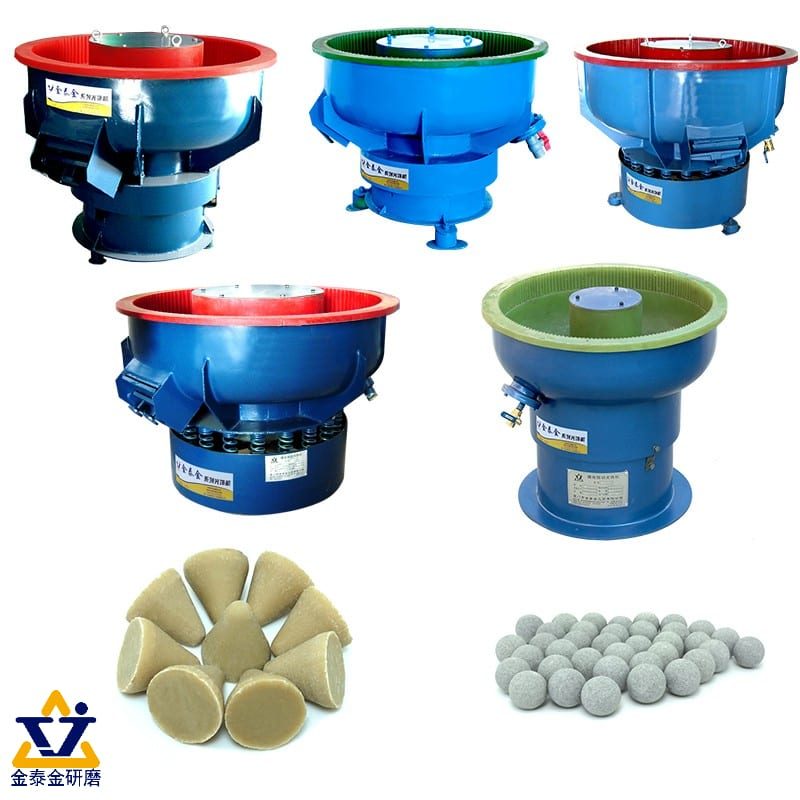
We build and supply vibratory bowls, divided rectangular troughs, octagonal rotary barrels, heated corncob dryers, centrifugal dryers, ceramic/plastic/steel media, and finishing compounds for cutlery factories and OEMs. We do not run a contract job-shop polishing service for customer flatware. Standard machines ship in 25–35 days, while custom divided troughs and automated lines require 45–60 days.
No Manual Cloth Buffing Lathes, Silver Electroplating, or Blade Sharpening Grinders
We do not supply manual cotton-wheel buffing lathes, silver or gold electroplating baths, PVD vacuum coaters, or CNC knife-edge sharpening grinders. Mass finishing automates edge deburring, surface smoothing, and mirror ball burnishing inside enclosed chambers—complementing upstream blanking presses and downstream blade grinding. For related stainless workflows, see our metal edge finishing guide and superfinishing guide.
Candid Engineering Review Before Machine Sizing
Because cutlery alloy (304 vs. 410/430), spoon bowl depth, fork tine spacing, and hourly piece count dictate chamber volume and media blend, we do not promise free mail-in sample trials or guarantee cycle times before inspecting your flatware—send clear photos of your spoons, forks, and knives along with alloy and hourly output via our custom polishing solution page for an engineering assessment.
Buyer Checklist & FAQ for Cutlery Polishing Machines
Review these benchmarks when planning or upgrading a flatware finishing cell.
[DESIGN: Annotated cutlery polishing enquiry checklist showing alloy grade, tine spacing, spoon dimensions, and hourly piece target]
Can one cutlery polishing machine handle both ceramic deburring and steel ball burnishing?
Physically yes if the drive motor and spring suspension are rated for heavy steel media density, but running two dedicated machines—one for ceramic cutting and one for steel ball burnishing—eliminates daily media swaps and prevents abrasive ceramic chips from scratching mirror cutlery.
What is the best way to keep soup spoons from nesting together in a vibratory bowl?
Maintain a generous media-to-part volume ratio, keep PL10 water flow properly balanced so the media bed stays buoyant, avoid overloading batch weight, and feed spoons gradually onto the moving media crest rather than dumping stacked piles.
Should knife blades be polished before or after edge sharpening?
Always complete mass deburring and surface burnishing before final precision edge grinding or serration sharpening so ceramic and steel media never dull or roll the finished cutting edge.
Why do I still see water rings on mirror spoons after air-drying?
Ambient air drying lets dissolved minerals in rinse water evaporate slowly inside concave spoon bowls. Pairing a clean softened-water rinse with a heated vibratory corncob dryer eliminates mineral spotting completely.
Can 304 stainless spoons and 430 stainless forks be burnished together in the same batch?
Keep 304 and 410/430 batches separate whenever possible so you can apply stronger rust-inhibiting rinse protection to ferritic/martensitic 410/430 pieces without contaminating 304 runs or risking galvanic spotting on damp storage racks.
How do I prevent stainless steel burnishing pins from jamming between narrow fork tines?
Measure the exact gap width between fork tines at both the tip and the root before ordering steel burnishing media. Select tapered steel pins and satellite shapes that are either small enough to pass cleanly through the tine slot without wedging, or pair larger round balls with angled steel cones whose shortest cross-section stays comfortably wider than the tine opening.
What wastewater and sludge-handling setup does a cutlery polishing line need?
Stage 1 ceramic cutting generates fine gray abrasive slurry and metallic fines, while Stage 2 steel ball burnishing discharges soapy PL10 rinse water. Route floor drains from both vibratory bowls through a simple multi-baffle settling tank so heavy ceramic sediment drops out cleanly before water enters shop drains or recirculating tanks.
How often does stainless steel burnishing media need cleaning in a busy flatware plant?
Whenever PL10 foam turns dark gray or freshly unloaded spoons show faint cloudy streaks instead of crisp mirror clarity, drain the dirty solution completely and run the steel shot empty with clean hot water and a fresh dose of brightening compound until drain water runs clear. Clean steel balls restore full mirror reflectivity immediately.
Can a vibratory bowl remove deep forging die flash on heavy forged knife bolsters?
Light parting-line burrs and fine forging flash blend smoothly with dense ceramic triangles and LC10, whereas thick primary forging flash left by worn dies must be trimmed or belt-ground upstream first. Expecting mass finishing to grind away heavy flash slows production and over-rounds handle contours.
Why do hospitality flatware plants prefer heated corncob dryers over hot-air tunnels alone?
Hot-air tunnels evaporate droplets slowly on nested spoon curves, leaving visible white calcium rings wherever hard rinse water pooled. A heated vibratory bowl filled with dry corncob media physically wipes every wet tine and concave bowl while absorbing moisture simultaneously—producing spotless showroom-ready flatware in one pass.
How can a cutlery plant speed up changeover when running spoons, forks, and knives on one shift?
Keep dedicated stainless steel burnishing media inside the finishing bowl rather than swapping media between flatware shapes—because the exact same blended ball, pin, and satellite charge handles spoons, forks, and butter knives cleanly. Simply adjust batch load weight for concave spoon bowls, and use the integrated pneumatic separation flap to discharge one style completely before feeding the next stamping batch.
What happens when stamped stainless cutlery enters the burnishing bowl with residual rolling oil?
Stamping lubricant and blanking oil coat steel burnishing balls immediately, suppressing PL10 foam cushioning and turning mirror surfaces cloudy. Pre-washing oily blanks in warm alkaline degreasing cleaner—or running a brief Stage 1 ceramic wash with LC10 flow-through—keeps the Stage 2 steel ball charge clean, bright, and consistent across back-to-back shifts.
When is a divided rectangular trough better than a circular bowl for flatware?
Standard spoons, forks, and dessert knives run most economically in wide-channel circular vibratory bowls with automatic screen separation. Step up to a divided rectangular vibratory trough only for oversized carving knives, long serving ladles, and heavy slotted spatulas that would bridge across a circular channel and collide handle-to-handle.
What details should I send to get an accurate cutlery polishing machine quote?
Share clear photos of your spoons, forks, and knives (showing raw blanking burrs and target finish), alloy grades (304, 410, 430), overall piece length and tine spacing, and target pieces per hour. Also note whether any hollow-handle brazed joints, embossed crests, or serrated blades require gentler handling. Our engineers will size the right vibratory bowl, divided trough, steel burnishing media blend, and heated corncob dryer for your commercial flatware production line.

 +86-592-2381506


 IPv6 network supported
