
Connecting Rod Polishing in Production: Divided Vibratory Troughs, Drag Fixtures, and Fatigue Stress-Riser Removal
Engine builders, forged-billet drivetrain suppliers, and high-performance machine shops researching connecting rod polishing are not looking for cosmetic chrome—they are trying to erase longitudinal forging flash, CNC step-over ridges, and sharp H-beam or I-beam transitions that act as fatigue crack starters under tens of thousands of violent tensile and compressive combustion cycles.
The central thesis of this guide is clear: production-grade connecting rod polishing replaces inconsistent hand belt-grinding with fixtured drag finishing or divided rectangular vibratory troughs—pairing fine ceramic or resin-bonded plastic pre-smoothing with non-abrasive high-alumina porcelain plateauing while strictly isolating precision honed big-end and wrist-pin bores. Dropping heavy forged rods loose into an open circular bowl hammers bearing caps and ruins bore roundness, whereas hand grinding leaves transverse scratches that actually weaken fatigue resistance. For related drivetrain workflows, see our motorsport isotropic finishing guide, gear and crankshaft polishing guide, and isotropic finishing guide.
Why Forged and Billet Connecting Rods Fail at Surface Micro-Notches
A connecting rod survives brutal alternating tension at TDC exhaust overlap and peak compression at combustion ignition; every surface scratch along its beam concentrates stress.
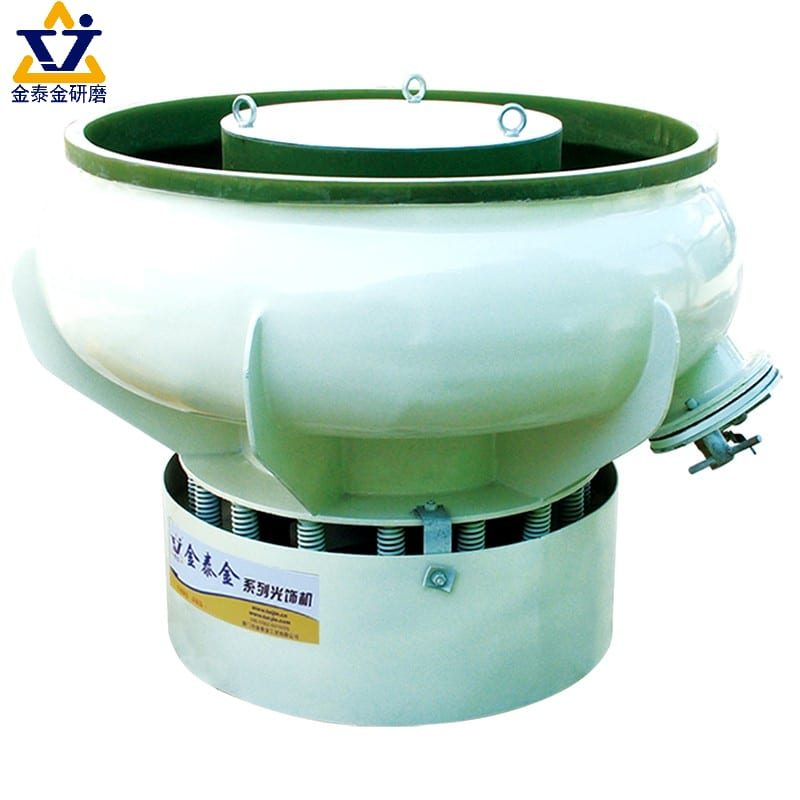
Forging Parting-Line Flash vs. CNC Milling Step-Over Cusps
Drop-forged 4340 chromoly rods arrive with subtle flash lines along the neutral beam axis and coarse forging scale, whereas billet 4340, titanium, and forged aluminum rods carry parallel CNC ball-mill cusps across H-beam pockets and bolt-boss transitions. Both defects create uneven surface stress if left untreated.
Why Transverse Hand-Sanding Can Worsen Fatigue Life
When technicians polish connecting rod beams by hand using emery belts or abrasive flap wheels, they frequently leave tiny scratches running across the beam width rather than strictly along the longitudinal axis. Transverse scratches perpendicular to tensile load act as microscopic crack-initiation notches. Mechanical mass finishing produces a uniform, non-directional surface texture with zero directional cross-scratches.
Precision Big-End and Pin-End Bearing Bores Cannot Tolerate Aggressive Cutting
While the forged beam and cap shoulders need smooth radiusing, the honed big-end journal bore, wrist-pin bushing, and parting-line dowel faces hold tight clearances. Aggressive abrasive media circulating unchecked through unmasked bores erodes critical press-fit and oil-film geometry.
| Connecting Rod Type | Primary Alloy | Key Surface Defect | Recommended Mass Finishing Route |
|---|---|---|---|
| Drop-forged H-beam / I-beam | 4340 / forged alloy steel |
Forging scale, parting flash, rough fillets | MC8/ceramic pre-clean + porcelain isotropic plateau |
| Billet CNC-milled performance rod | Billet steel or titanium | Parallel CNC ball-mill step-over cusps | Fixtured drag finishing or divided trough |
| Forged aluminum sprint/drag rod | 7075 / forged aluminum |
Soft milling ridges & sharp bolt-boss edges | Neutral LC10 + resin plastic cones + porcelain spheres |
| High-volume OEM powder-metal rod | Sintered alloy steel | Sharp parting edges & light surface burrs | Cushioned vibratory deburring with fine ceramic |
[DESIGN: Four-panel comparison of forged parting-line flash, transverse hand-sanding scratches, CNC beam cusps, and uniform isotropic rod beam]
Equipment Platforms for Connecting Rod Polishing
Because connecting rods combine concentrated mass at the big end with slender beam webs, chamber selection revolves around zero-collision support.
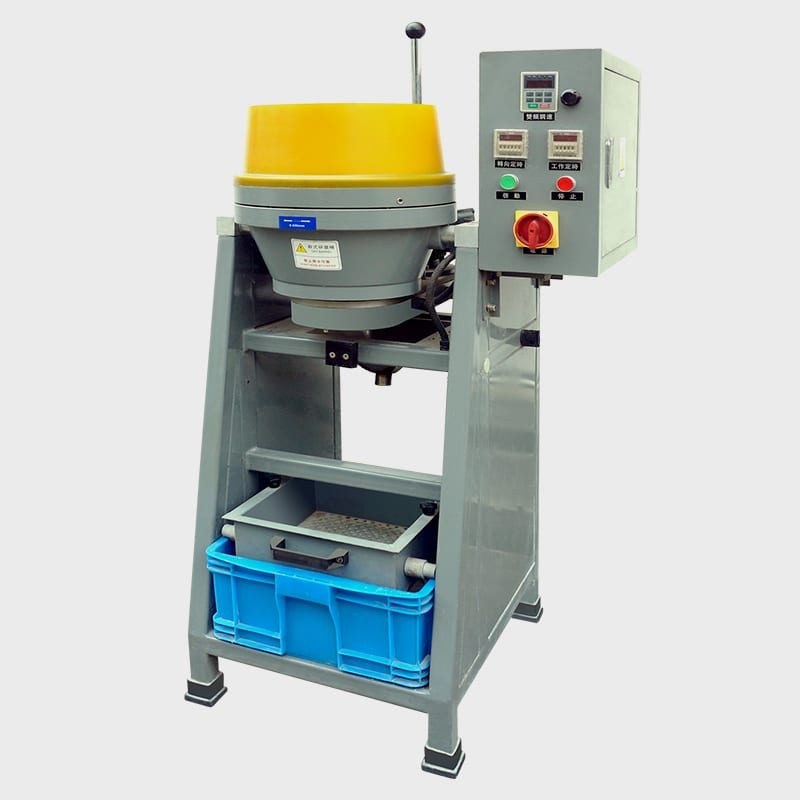
Divided Rectangular Vibratory Troughs for Forged and Billet Rod Sets
Throwing eight heavy forged steel rods into a standard circular bowl guarantees violent cap-to-beam denting. A rectangular vibratory trough equipped with removable polyurethane-lined dividers isolates one connecting rod per compartment—allowing dense ceramic or non-abrasive porcelain media to scrub every H-beam pocket and bolt shoulder uniformly without a single part-on-part collision.
Fixtured Drag Finishing for Precision Billet and Titanium Rods
For high-value CNC billet steel or titanium rods where cycle speed and absolute zero-nick protection justify dedicated tooling, drag finishing clamps each rod securely by its big-end bore onto a rotating planetary spindle. Sweeping the clamped rods through stationary ceramic and porcelain media delivers intense beam smoothing while automatically shielding the clamped bore wall.
Why Open Rotary Barrels and Light Magnetic Tumblers Do Not Fit
Standard octagonal rotary barrels drop heavy steel rods repeatedly onto each other, bruising machined cap mating surfaces and bending slender beams. Likewise, magnetic tumblers lack both the abrasive cutting energy for tough 4340 steel and the ability to process ferromagnetic steel rods cleanly without pins clamping to the metal.
| Machine Platform | Rod Collision Protection | Bearing Bore Safety | Best Production Fit |
|---|---|---|---|
| Divided Rectangular Vibratory Trough | High (one rod per PU bay) | High (with fitted bore plugs) | Matched engine sets & flexible shop batches |
| Fixtured Drag Finisher | Maximum (spindle-clamped) | Maximum (fixture shields bore) | High-volume billet & titanium motorsport rods |
| Circular Vibratory Bowl | Medium-Low (risk of heavy hits) | Moderate | Small compact sintered rods only (high media ratio) |
| Octagonal Rotary Barrel | Low (heavy cascade impact) | Poor | Not recommended for finished forged/billet rods |
[DESIGN: Decision matrix matching connecting rod material, batch size, and bore protection needs across divided troughs and drag finishers]
Protecting Big-End Bores, Wrist-Pin Bushings, and Cap Threads
Successful connecting rod polishing depends as much on what you keep media out of as what you polish.
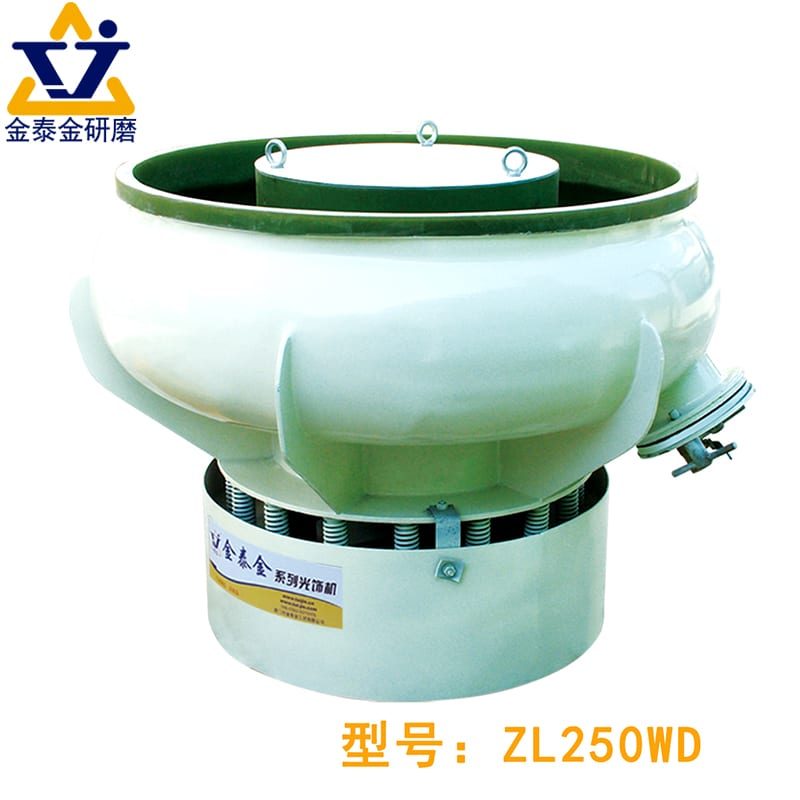
Fitted Polyurethane or Delrin Bore Plugs for Honed Journals
Before loading pre-honed rods into aggressive Stage 1 ceramic cutting media, cap the big-end crankpin bore and small-end wrist-pin hole with snug reusable plugs—or clamp rods directly on drag-finisher mandrels that seal bore faces naturally. Even better, schedule bulk beam deburring and smoothing before final precision bore honing whenever your shop controls the full machining sequence.
Thread Protection on Rod-Bolt Holes
Open tapped threads in the big-end cap can suffer edge chipping or trap broken ceramic tips during heavy cutting. Use reusable silicone or polymer thread plugs on finished bolt holes, and keep media dimensions strictly larger than oil-squirt holes and pin-oilers so zero stones wedge inside lubrication passages.
Leaving Cap-to-Beam Fracture-Split or Ground Faces Untouched
Assembled rods should keep their cap bolts torqued lightly with protective sleeves, or remain bolted together during beam smoothing so precision ground parting faces (or fracture-split mating surfaces) stay tightly mated and completely shielded from abrasive media.
Two-Stage Media and Compound Sequence for Steel, Titanium, and Aluminum Rods
Matching media hardness and chemical reactivity to the rod alloy avoids slow cycles and metallurgical surface damage.

Stage 1: Fine Ceramic or Plastic Pre-Smoothing to Erase Forging Lines and Cusps
On tough forged 4340 steel or titanium rods carrying visible parting lines or CNC ball-mill tracks, begin with fine preformed ceramic triangles or angle-cut cylinders paired with LC10 (or MC8 if heavy heat-treat forging scale is present). For soft 7075 forged aluminum rods, skip heavy ceramic completely and start with lightweight resin-bonded plastic cones and neutral chemistry (JTS5 or neutral LC10) to erase milling cusps without "orange peel" bruising.
Stage 2: High-Alumina Porcelain Plateauing for Isotropic Fatigue Reduction
Once coarse tool tracks and flash lines are uniformly leveled, flush the chamber thoroughly and switch to smooth non-abrasive high-alumina porcelain spheres or cylinders. On hardened 4340 steel rods, pairing porcelain with controlled isotropic conversion chemistry followed by alkaline neutralization yields a smooth, stress-free plateau finish across every H-beam fillet—while aluminum rods simply transition into clean neutral porcelain burnishing for a bright satin luster.
Why Stainless Steel Burnishing Balls Are Rarely Used on Billet Aluminum Rods
Dropping dense stainless steel burnishing balls onto aluminum connecting rods creates microscopic impact dimples across flat beam webs and risks embedding trace iron particles. Stick to plastic cones and clean porcelain for aluminum, and reserve steel shot strictly for non-critical bulk stainless hardware.
Controlling Media Cushioning and Flow-Through Inside Divided Troughs
Inside each polyurethane-lined bay of a divided rectangular vibratory trough, keep the media-to-part volume ratio generous so heavy ceramic or porcelain stones completely surround the connecting rod's beam and big-end shoulders. Steady LC10 fresh-water flow-through flushes microscopic metallic wear fines out of the drain screen immediately so dark grinding sludge never loads the porcelain surface or stains forged steel webs.
[DESIGN: Flow-through compound dosing and media-cushioning diagram inside a divided rectangular vibratory trough bay]
Post-Finish Rinsing, Oil-Passage Inspection, and Rust Prevention
Freshly finished connecting rods emerge from wet vibratory chambers completely bare and susceptible to rapid oxidation.
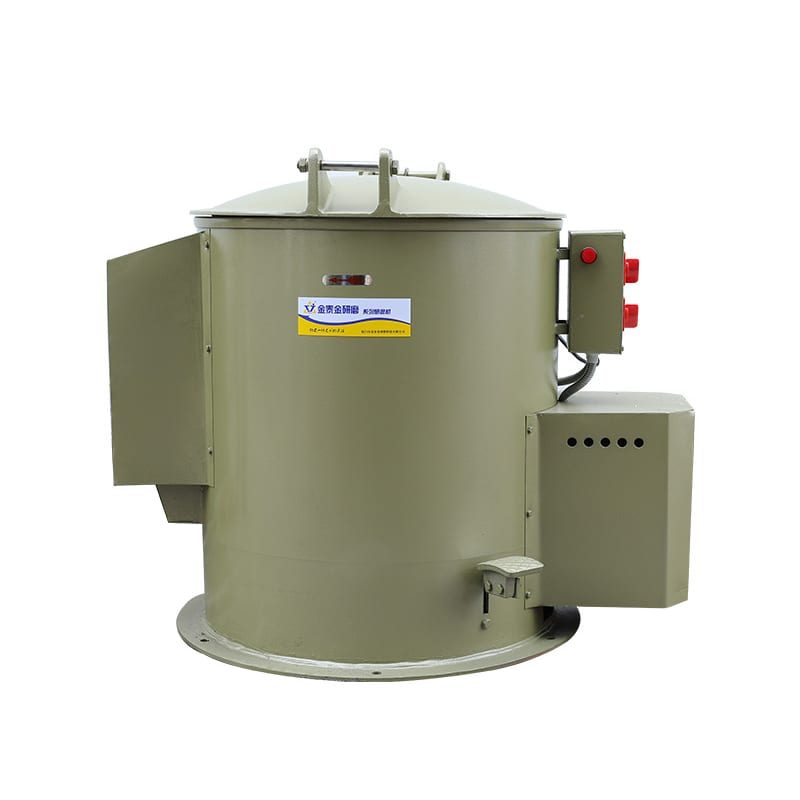
Immediate Neutralization and Rust-Inhibited Rinse on Steel Rods
Right after porcelain plateauing on 4340 or 4130 steel rods, flush away all process foam with clean water and apply a dedicated rust-inhibiting rinse immediately. Leaving wet, hyper-clean alloy steel sitting in shop air invites orange flash rust inside beam pockets within an hour.
Heated Drying and Bright-Light Oil-Hole Inspection
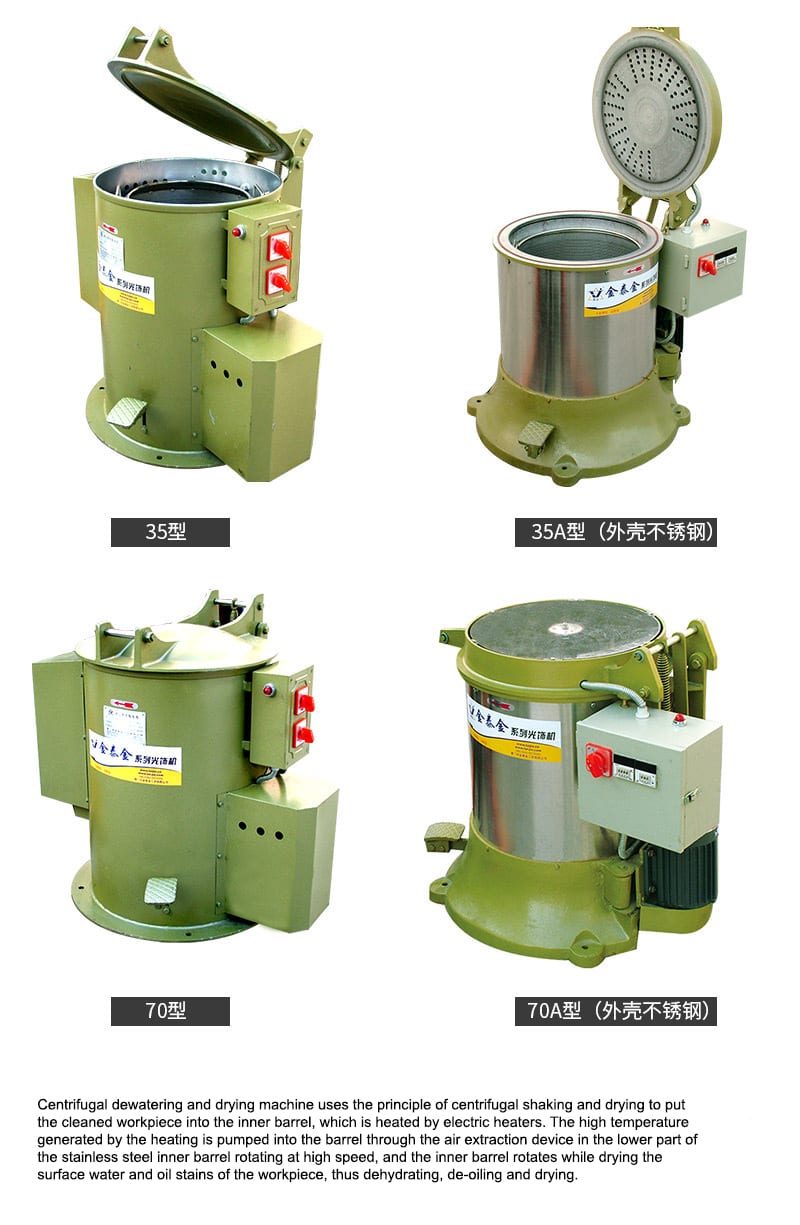
Dry small-to-medium rods in a heated centrifugal dryer or warm forced-air cabinet, then inspect every wrist-pin oiler hole, cap-bolt recess, and H-beam pocket under bright task lighting to confirm zero lodged media fragments before applying protective assembly oil.
Coordinating Mass Finishing With Downstream Shot Peening
Many high-output racing rods undergo compressive fatigue shot peening after rough beam polishing. If your build spec calls for shot peening, perform Stage 1 beam smoothing and parting-line blending before shot peening so peening impacts a clean, notch-free metal skin—then optionally run a very light non-abrasive porcelain wipe afterward if your engine builder specifies a smoother outer profile.
Common Failure Modes in Connecting Rod Polishing
Avoiding these four shop-floor traps keeps expensive forged and billet rods within blueprint tolerances.
[DESIGN: Defect comparison gallery showing bruised bearing caps, rusted pin bores, dark un-neutralized beams, and lodged ceramic tips]
Cap Mating-Face Rounding When Bolts Are Left Loose
Tumbling unbolted rod caps separately in ceramic media rounds the sharp parting edges where cap meets beam—destroying critical bearing crush and parting-line alignment. Always keep rod caps bolted securely with protective bore plugs, or process beams prior to final cap parting and bore honing.
Lodged Ceramic Tips Inside Wrist-Pin Oil Holes
Pin-oiler holes drilled through the small end match the exact tip width of small triangular media. Always plug pin-oiler bores before loading or size ceramic/porcelain shapes strictly larger than the oil hole diameter.
Dark Charcoal Smut From Un-Neutralized Steel Isotropic Runs
If 4340 steel rods emerge dull dark gray after chemically accelerated porcelain finishing, the soft conversion film was never wiped clean and neutralized at the end of the cycle. Run a brief final flush with fresh alkaline neutralizing compound (LC10/PL10) until bright silver luster returns.
Heavy Ceramic Bruising on Forged 7075 Aluminum Rods
Trying to cut aluminum rods faster using dense ceramic triangles hammers uneven dimples onto flat H-beam ribs. Switch to low-density plastic cones and gentle neutral flow-through.
Honest Boundaries: What We Do and Do Not Supply
At Xiamen Jin Tai Jin Grinding Technology Co.,Ltd. (brand: Jings Polish), our workshop roots date back to 1996 and our company was formally established in 2009, delivering over 200,000+ sets of grinding and polishing solutions worldwide. Across our catalogue, we manufacture 21 machine platforms backed by 24 granted Chinese IP rights (1 invention patent, 15 utility model patents, and 8 design patents), under ISO 9001 certification 00726Q01571R001 (valid 2026-06-03 to 2029-06-02) and CE certifications M.2023.206.C88121 (Vertical, 8 models) and M.2023.206.C88120 (Horizontal, 13 models), valid until 2028-07-24.

Equipment, Media, and Compounds—Not Contract Connecting Rod Polishing
We manufacture and supply divided rectangular vibratory troughs, fixtured drag finishers, circular vibratory bowls, heated centrifugal dryers, ceramic/plastic/porcelain media, and finishing compounds for engine manufacturers and performance machine shops. We do not run a contract job-shop polishing service for customer connecting rods. Standard machines ship in 25–35 days, while custom drag-finishing fixtures and divided troughs require 45–60 days.
No Shot Peening, CNC Bore Honing, or Magnetic Particle Inspection
We do not supply shot-peening cabinets, precision cylinder/rod bore honing machines, CNC machining centers, or magnetic-particle crack-inspection benches. Mechanical mass finishing prepares smooth, stress-riser-free beam surfaces inside enclosed chambers—working cleanly alongside upstream forging/CNC machining and downstream bore honing or shot peening. For related engine workflows, see our pistons and manifolds polishing guide and superfinishing guide.
Engineering Review Before Equipment Recommendation
Because connecting rod alloy (4340 steel vs. titanium vs. 7075 aluminum), beam pocket geometry, oil-hole size, and bore-masking stage dictate fixture and media design, we do not promise free mail-in sample trials or guarantee cycle times before inspecting your workpiece—send clear photos of your connecting rods along with alloy, length, and weekly batch target via our custom polishing solution page for an engineering assessment.
Buyer Checklist & FAQ for Connecting Rod Polishing
Use these benchmarks when planning an automated connecting rod finishing cell.
[DESIGN: Annotated connecting rod polishing enquiry checklist showing rod length, alloy grade, oil-hole width, and weekly batch volume]
Does connecting rod polishing change rod weight or balance?
Uniform mechanical smoothing removes only microscopic surface peaks and light parting-line flash uniformly around the beam—making weight change negligible across matched sets, though engine builders always perform final end-for-end precision balancing after all beam polishing and honing are complete.
Should connecting rods be polished before or after final big-end bore honing?
Whenever your manufacturing routing allows, perform aggressive Stage 1 beam smoothing before final precision honing of the crankpin and wrist-pin bores so honed tolerances never face abrasive media exposure. If pre-honed aftermarket rods must be finished, clamp them on drag-finishing mandrels or seal bores with snug plugs.
Can one divided vibratory trough handle both forged steel and forged aluminum rods?
Only if you maintain completely separate labeled media charges (ceramic/porcelain for steel vs. plastic/porcelain for aluminum), clean the polyurethane trough bays thoroughly between runs, and never mix steel conversion chemistry with neutral aluminum compounds.
How does drag finishing compare to divided vibratory troughs for connecting rods?
Divided rectangular troughs offer lower tooling cost and quick flexibility across varied rod lengths using removable dividers, while fixtured drag finishers clamp each rod on a planetary spindle for faster cycle times and absolute bore-clamping protection on high-volume CNC billet production.
Can connecting rod polishing remove deep forging die seam steps or heavy flash?
Light parting-line flash and surface scale blend smoothly with preformed ceramic media and MC8 or LC10, whereas thick forging die mismatch or heavy protruding flash must be trimmed or blended cleanly upstream before loading rods into the finishing chamber. Leaving oversized flash forces excessive cycle times that risk over-rounding critical bolt-boss shoulders.
How do I protect titanium connecting rods from iron contamination during mass finishing?
Titanium alloys tolerate zero embedded carbon-steel iron particles without risking stress-corrosion embrittlement under extreme combustion heat. Dedicate separate labeled ceramic/plastic and porcelain media bins exclusively for titanium connecting rods inside a thick polyurethane-lined divided trough or drag fixture, and never run titanium inside media previously used on 4340 or carbon steel.
What happens if 4340 forged rods are left wet in baskets after Stage 1 ceramic cutting?
Freshly abraded alloy steel flashes bright orange rust rapidly when exposed to damp shop air. Always keep wet staging brief, flush away cutting slurry thoroughly, apply a dedicated rust-inhibiting rinse immediately after the final porcelain plateau stage, and spin-dry or force-dry parts completely before oiling and bagging.
Why do some engine builders still prefer a satin isotropic beam over a bright mirror finish?
A uniform non-directional satin plateau achieved through non-abrasive porcelain wiping already eliminates directional grinding notches and forging stress risers—delivering maximum fatigue durability without wasting unnecessary hours chasing cosmetic showroom shine on a hidden internal engine part.
Can small-batch performance shops run matched V8 connecting rod sets in one cycle?
Yes. An eight-bay divided rectangular vibratory trough processes a complete matched V8 connecting rod set simultaneously—keeping every rod isolated inside its own polyurethane-lined compartment so all eight beams receive identical media flow and surface finish with zero cap-to-cap impact.
How does cast polyurethane chamber lining protect heavy forged connecting rods?
Heavy forged steel connecting rods strike chamber walls with substantial kinetic momentum. Thick poured-cast polyurethane lining absorbs impact energy across every trough wall and divider—preventing sharp metallic denting on H-beam edges, suppressing shop noise, and protecting bare steel surfaces from rusty bare-tank contamination.
Can connecting rod polishing smooth internal lightening holes or I-beam pockets without hand blending?
Yes, provided you size ceramic or plastic media shapes smaller than the pocket width yet larger than any neighboring wrist-pin oil hole so media flows cleanly into every beam fillet without wedging. Deeply recessed sharp-cornered pockets benefit from angle-cut ceramic cylinders or tapered plastic cones that reach into corner radii evenly.
What inspection checks confirm a connecting rod batch is ready for engine assembly?
Inspect every beam fillet, cap shoulder, and bolt-boss transition under bright low-angle task lighting to verify uniform non-directional satin or plateau texture with zero transverse scratches, verify zero lodged media fragments inside oilers or bolt threads, and confirm protective assembly oil coats bare steel immediately after drying.
Can fractured-split powder-metal OEM rods be tumbled safely without damaging the split joint?
Fracture-split powder-metal connecting rods rely on microscopic crystalline mating surfaces between cap and beam to lock alignment under torque. Always keep fracture-split rods bolted snugly together with protective bore sleeves before loading into a divided trough so abrasive ceramic media never touches or rounds the exposed split line.
What details should I share before requesting a quote for connecting rod finishing equipment?
Share clear photos of your forged or billet connecting rods showing beam pockets, parting flash, and oil holes, along with alloy grade, center-to-center length, single-rod weight, and weekly or monthly batch volume. Also note whether bores are already finish-honed or still require final machining downstream, and whether fatigue shot peening follows beam polishing. Our engineers will recommend the exact divided rectangular trough or fixtured drag finisher setup along with non-lodging ceramic, plastic, or porcelain media, bore plugs, and neutral or conversion compound grades for your shop floor.
 +86-592-2381506


 IPv6 network supported
