
SS Polisher Equipment Guide: Selecting the Right Stainless Polisher for Batch Production
Searching for an ss polisher turns up two completely different categories of equipment: handheld rotary tools for single-piece fabrication, and automated mass-finishing chambers built to process hundreds of stamped, turned, or cast stainless parts at once. Choosing between them—and picking the right chamber motion—decides whether your finishing department runs unattended batches or bottlenecks behind manual stainless steel buffing.
This guide focuses strictly on industrial stainless polisher equipment selection, matching machine architecture to part weight, geometry, and target finish. If you are looking for step-by-step process parameters rather than machine selection, see our stainless steel finishes and buffing stainless steel guides.
What "SS Polisher" Means on a Production Floor
On a factory floor, an ss polisher is defined by how it moves the workpiece relative to the abrasive. Before comparing machine quotes, separate single-piece manual tools from batch mass-finishing systems.

Handheld tools versus batch mass-finishing chambers
Angle grinders, belt sanders, and pedestal cloth buffers rely on an operator moving a tool across one stationary stainless part at a time. Batch mass-finishing machines—vibratory bowls, rotary barrels, centrifugal units, and drag finishers—place loose parts inside a moving chamber filled with media and compound. Handheld tools polish one surface line at a time, whereas chamber machines finish every accessible face across an entire batch simultaneously.
Why stainless steel punishes undersized equipment
Austenitic and martensitic stainless alloys work-harden rapidly and resist cutting compared with mild steel or aluminium. Light-duty hobby tumblers lack the drive torque, liner durability, and media mass needed to shear off stainless burrs or level machining marks. An industrial stainless polisher must generate enough media pressure and continuous compound flushing to cut hard stainless without stalling or glazing.
Matching machine motion to part value and geometry
Small stamped brackets can tumble freely in an open vibratory bowl, while heavy precision valve bodies or turbine shafts will nick each other if allowed to collide. High-value stainless parts require either compartmented rotary drums, individual fixture arms on a drag finisher, or dedicated vibratory finishing troughs. Part fragility and collision tolerance decide the machine family before media selection even begins.
Why one machine rarely handles every stainless job
A shop running tiny surgical pins alongside heavy laser-cut hinges cannot optimize one chamber for both. Tiny parts need high-frequency or magnetic pin action, while heavy plates need large tub volume or barrel drop height. Planning equipment around your core part families avoids forcing one ss polisher to compromise on cycle quality.
Five Industrial Stainless Polisher Machine Families
Across our machines portfolio, five distinct chamber architectures handle batch stainless steel finishing. Each moves media and parts differently, trading off cycle speed, collision risk, and floor footprint.
| Machine Architecture | How Parts & Media Move | Best Stainless Part Types | Key Operational Advantage |
|---|---|---|---|
| Vibratory Bowl / Tub (ZL & L Series) | Spiral or linear vibration in an open polyurethane-lined chamber | Stamped brackets, hinges, valve sleeves, flatware | Open inspection during cycle; easy automated separation |
| Rotary Barrel Tumbler | Slow cascading slide inside a rotating octagonal or double drum | Heavy castings, fasteners, flat stamped plates | High surface pressure with zero high-speed impact |
| Centrifugal Disc / Barrel (LLF / LX) | High-G rotational force inside a sealed drum or spinning disc | Small precision gears, chains, buckles, connectors | Rapid deburring and brightening on compact parts |
| High-Speed Drag Finisher | Parts clamped on rotating spindles dragged through stationary media | Turbine blades, medical implants, heavy shafts | Zero part-on-part contact; repeatable high-pressure cut |
| Magnetic Precision Polisher (OBD) | Rotating magnetic field drives stainless pins inside a stationary bowl | Rivets, switch assemblies, internal bores, blind slots | Reaches internal threads and pockets without rounding edges |
[DESIGN: Five-panel equipment diagram illustrating media flow paths inside a vibratory bowl, rotary barrel, centrifugal disc, drag finisher, and magnetic bowl]
Vibratory bowls and troughs for continuous batch flow
A vibratory finishing machine uses an eccentric motor to vibrate a spring-mounted, polyurethane-lined bowl or long trough. Media and stainless parts roll in a steady spiral or helical path, keeping parts separated while rubbing every outer face. Models with built-in discharge gates and separation screens—such as our ZL100C, ZL200C, ZL300C, ZL600C, and ZL900C—let operators unload batches without manual sorting.
Rotary barrel tumblers for heavy pressure and quiet finish
A drum from our barrel finishing machines line rotates smoothly so the top layer of media and stainless parts slides downward in a continuous cascade. Because there is no high-frequency vibration, rotary barrels produce tight, uniform edge radii and deep burnished lustre with minimal surface peening. Double-barrel and double-deck tumblers also let shops run two separate stainless media stages side by side.
Centrifugal disc and barrel machines for small parts
Small stainless hardware—like belt buckles, connector pins, chain links, and spark plug terminals—often lacks the mass to cut quickly in a standard vibratory bowl. Centrifugal disc units (such as our LLF120) and centrifugal barrel machines multiply effective media weight through controlled rotation. They compress long deburring and brightening cycles into compact batch runs while keeping small parts evenly mixed.
High-speed drag finishers for zero-collision precision
When a stainless steel gear, medical bone nail, or aerospace bracket cannot tolerate a single nick against a neighbour, loose batch tumbling is out of the question. A high-speed drag finishing machine clamps each part onto an individual rotating spindle and drags it through a stationary tub of media. Drag finishing delivers intense, uniform cut and mirror-brightening while guaranteeing zero part-to-part contact.

Magnetic polishers for internal bores and intricate slots
A magnetic precision polisher—such as our OBD-30, OBD-35, OBD-60, OBD-70, OBD-90, OBD-100, and OBD-HBPG / HBPG-01 / HBPG-02 series—uses a rotating magnetic plate beneath a non-magnetic bowl filled with fine stainless steel pins and water-based compound. The pins spin rapidly inside blind holes, cross-bores, and threads where ceramic or plastic chips cannot enter. Magnetic machines excel at post-machining burr removal and brightening on intricate stainless assemblies without altering outer tolerances.
Selecting an SS Polisher by Stainless Part Geometry
Even the best ss polisher fails if matched to the wrong part shape. Use your part's weakest feature—thin tabs, blind threads, or wide flat faces—to rule out unsuitable machines first.
Flat stampings, hinges, and brackets
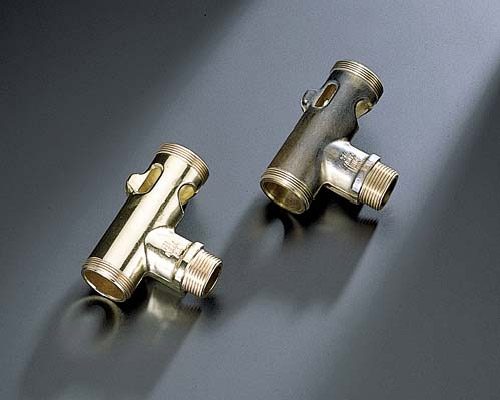
Laser-cut plates and stamped stainless hinges often stick together flat-to-flat inside a slow rotary barrel, leaving unpolished shadows or bent tabs. Open vibratory bowls with high-density ceramic or plastic media keep flat parts separated and moving along the spiral bed. For thin stampings that still tend to nest, adjusting media shape and compound lubrication prevents part-on-part sticking.
Long shafts, bars, and tubular stainless frames
Long stainless shafts or welded brackets cannot turn cleanly inside a circular bowl without bridging across the inner wall. Rectangular trough vibratory machines—such as our L1300, L1500, and L1800 long-tub models—handle elongated parts easily, and compartmented dividers keep heavy bars from colliding. Never force long stainless parts into a circular bowl where they can jam against the centre column.
Small fasteners, springs, and electrical contacts
Helical springs, electrical contacts, and miniature rivets tangle easily in slow-rolling troughs if the media bed does not support them. Centrifugal disc machines and compact magnetic bowls process tiny batches quickly, while careful media sizing prevents pins or chips from lodging inside spring coils. See our finishing machine names guide for distinguishing disc, barrel, and magnetic chambers.
Deep cavities, threads, and valve sleeves
Stainless steel valve sleeves, medical fittings, and threaded housings carry internal burrs that exterior tumbling never touches. Magnetic pin polishers drive fine pins directly into internal threads and cross-holes, leaving outer edges crisp. When internal passages need brightening alongside external smoothing, shops often pair a vibratory cut-down stage with a brief magnetic pin cycle.

Matching Compounds, Media, and Dryers to Your Machine
An ss polisher is a system made of four parts: the chamber, the media, the liquid or dry compound, and the downstream drying unit. Changing one without checking the others leads to stained or dull stainless batches.

Ceramic, plastic, and steel media roles on stainless
Hard stainless burrs and deep milling marks call for ceramic triangles or angle-cut cylinders from our grinding media range, which cut aggressively without breaking down too fast. Lighter pre-polish smoothing uses resin-bonded plastic cones, while high-alumina ceramic balls and hardened steel media deliver bright burnishing by compressing surface peaks. Selecting media shape by the smallest hole or slot on your stainless part stops media from jamming inside features.
True compound codes for stainless deburring and brightening
Running stainless steel in plain water quickly rusts mild fixtures, fouls media pores, and leaves dull grey parts. Our verified chemical line covers every stage: compound-LC10 for deburring, compound-MC8 for rust and oxide removal, compound-JTJ20 for coarse stainless steel cutting, compound-JTJ25 for general metal coarse work, compound-JTJ50 for stainless steel brightening, compound-JTJ60 for fine metal polishing, compound-JTS5 for thin-sheet brightening, and compound-HM3 for final polishing. We supply these liquid compounds for wet media systems and pastes for dry tumbling, while never designing custom chemical cleaning formulas.
Dry polishing routes with walnut shell and corn cob
For stainless spoons, knives, and decorative hardware aiming for a warm, dry-burnished lustre after wet smoothing, dry barrel tumbling uses treated walnut shell or corn cob from our dry finishing media line dressed with polishing paste. Dry media absorbs trace moisture and produces a clean, streak-free shine across batches. Never transfer wet parts straight into dry organic media, or the charge will clump and stain the steel.
Why centrifugal spin dryers prevent water spotting
Stainless steel parts pulled wet from a vibratory bowl or magnetic bath develop mineral water spots and flash tarnish if left to air-dry in baskets. A dedicated heat centrifugal spin dryer—such as our 35, 35A, 70, or 70A models—flings off residual compound water and dries the load evenly with warm air. For layout planning, read our guide on post-finishing separate wash and dry.

How to Polish Stainless: Mass Finishing vs Wheel Buffing
Buyers searching how to polish stainless or stainless steel buffing often wonder whether a wheel or a tumbler reaches mirror gloss faster. The answer depends on whether you are finishing one large sheet or a basket of machined hardware.
| Comparison Factor | Automated Mass-Finishing SS Polisher | Stationary / Handheld Cloth Wheel Buffing |
|---|---|---|
| Contact Geometry | Full-surface, non-directional media contact | Linear, directional wheel contact |
| Labour Requirement | Load, set timer, unload batch | Continuous operator handling per piece |
| Internal Features | Reaches slots, threads, and recessed pockets | Cannot enter blind bores or tight grooves |
| Uniformity Across Lot | Identical finish on every piece in the chamber | Varies with operator pressure and dwell |
| Peak Sheet Gloss | Uniform satin to bright burnished lustre | Highest mirror clarity on large open flats |
Non-directional uniformity versus directional wheel streaks
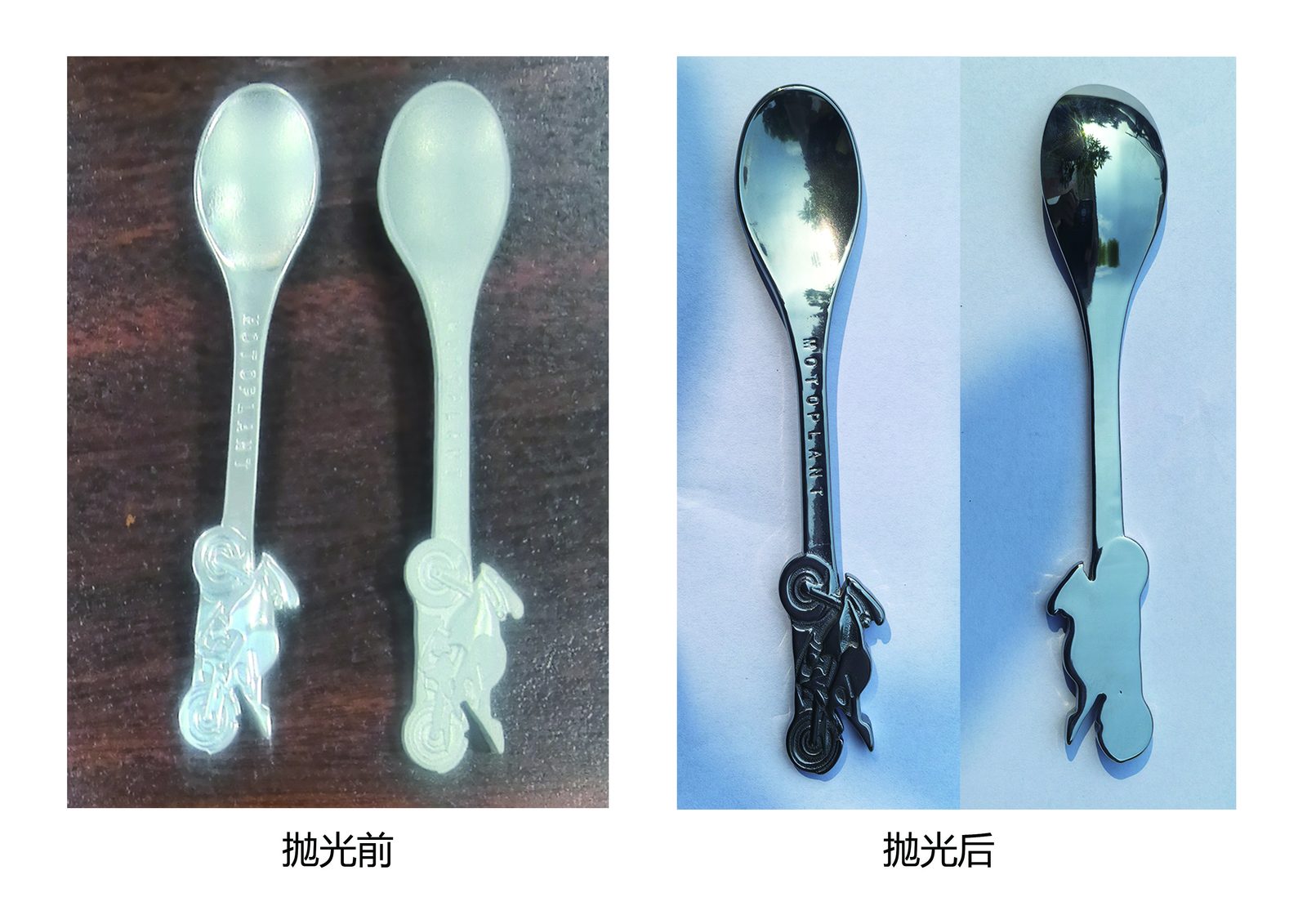
A spinning cloth wheel drags compound in one direction, which creates bright mirror streaks on open flats but leaves visible grain lines and uneven corners. Mass finishing tumbles parts in loose media or magnetic pins, producing a uniform, non-directional finish across complex contours. When a print specifies uniform satin or batch brightness on multi-face parts, a wheel cannot match a chamber polisher.
Avoiding heat tint on slow-conducting stainless steel
Stainless steel conducts heat poorly compared with copper or aluminium. Pressing hard against a dry buffing wheel traps friction heat at the contact point, turning the steel yellow or blue with thermal oxidation. Wet vibratory, centrifugal, and magnetic polishing runs cool in water-based compound, eliminating heat tint completely.
Why preparation determines final brightness
Whether you run a drag finisher or a cloth wheel, bright compounds only polish the microscopic surface they touch—they never erase deep CNC tool marks or heavy belt scratches. Every how to polish stainless workflow must level incoming roughness in a cut-down stage before switching to brightening media. See our guide on grinding and sanding marks for why skipping prep stages wastes brightening time.
Honest limits of batch stainless steel buffing
We do not claim mass finishing replaces every cloth wheel on earth. Oversized architectural handrails, wide flat kitchen panels, and single-piece showpieces requiring distortion-free mirror reflection still belong on dedicated wheel buffers. We do not build cloth buffing wheels, handheld buffers, or solid wax bars for wheels—we build automated chamber machines for repeatable batch finishing.
Checking Machine Build Quality Before You Order
When comparing quotes for an ss polisher, specification sheets rarely show the wear points that decide machine uptime in year three. Inspect these four mechanical details before committing capital.
[DESIGN: Cutaway view of a polyurethane-lined vibratory bowl highlighting liner wall thickness, heavy coil springs, and motor mounting flange]
Polyurethane liner durability and drainage geometry
Steel-on-ceramic impact wears through thin or poorly bonded chamber linings quickly, exposing the steel shell to rust and denting parts. Look for thick, cast polyurethane linings on vibratory bowls and tubs, paired with clean, clog-free drain screens that flush stainless swarf continuously. Clean drainage keeps spent abrasive fines from recirculating and scratching finished stainless parts.
Drive stability, vibration balance, and bearing sealing
Stainless steel wet polishing runs with continuous water and chemical compound spray. Unsealed motor bearings or weak spring mounts fail prematurely under wet industrial loads. Verify sealed bearing housings, heavy-duty motor mounts, and balanced eccentric weights built for continuous wet duty.
Integrated separation and discharge options
Manually scooping hundreds of stainless fittings out of a bowl of ceramic triangles eats up every labour saving the machine promised. Built-in separation decks and pneumatic or manual discharge gates—standard on our ZL100C, ZL200C, ZL300C, ZL600C, and ZL900C vibratory models—divide parts from media cleanly at the end of the cycle. Match screen opening logic to worn media size, not just brand-new media.
Safety certifications and electrical compliance
Before importing industrial finishing equipment into Europe or regulated plants, verify active safety and quality documentation rather than expired PDFs. Check current CE machinery compliance and ISO quality management records against exact model coverage. Never rely on unverified claims or outdated certificate numbers on generic trading brochures.
Common Mistakes When Buying an Industrial Stainless Polisher
Even experienced production engineers run into avoidable delays when buying their first batch stainless polisher. Watch for these four common purchasing errors.
[DESIGN: Troubleshooting matrix showing four stainless finishing issues: part-on-part nicking, media lodged in a valve bore, dull grey compound film, and water-spotted finish]
Ordering by chamber volume without checking part dimensions
A large bowl volume on paper does not guarantee your bracket fits cleanly between the bowl wall and the centre dome. Long or wide stainless parts need enough channel width to turn freely in the media flow without wedging. Always check chamber channel width and trough dimensions against your largest single part.
Skipping sample verification with real production photos
Every alloy grade—304, 316, 410, or precipitation-hardening stainless—cuts and brightens at a different pace depending on upstream stamping or CNC toolpaths. Never buy a machine line based solely on generic catalogue ratings without confirming your actual part geometry and incoming surface condition.
[DESIGN: Engineering review desk comparing customer-submitted stainless part photos against standard media and machine selection charts]
Ignoring downstream washing, drying, and media upkeep
Leaving finished stainless parts wet in compound water dulls the shine and invites flash rusting on lower-chromium grades or mild steel tooling fixtures. Budget floor space for a clean rinse station, a centrifugal spin dryer, and periodic media cleaning from day one. Clean media and fast drying protect the finish your ss polisher just worked to create.
Confusing job-shop outsourcing with in-house equipment
Some buyers ask equipment builders to run paid contract batches or provide lifetime free sample processing. Keeping equipment design separate from contract finishing ensures unbiased machine sizing. Remember that we do not run a contract job shop—we manufacture the equipment that job shops and OEM factories run on their own floors.
What Xiamen Jin Tai Jin Builds—and What We Do Not
At Xiamen Jin Tai Jin Grinding Technology Co.,Ltd. (brand: Jings Polish), our workshop roots go back to 1992 and our company was formally established in 2002, delivering over 200,000+ sets of grinding and polishing solutions to customers worldwide. Across our catalogue, we manufacture 21 machine platforms backed by 24 granted Chinese IP rights—including 1 invention patent, 17 utility model patents, and 6 design patents—under ISO 9001 certification 00726Q01571R001 (valid 2026-06-03 to 2029-06-02) and CE certifications M.2023.206.C88121 (Vertical, 8 models) and M.2023.206.C88120 (Horizontal, 13 models), valid until 2028-07-24.

Stainless finishing equipment and consumables we manufacture
We build vibratory bowls and troughs (ZL and L series), rotary barrels, centrifugal disc and barrel units (LLF120, LX series), high-speed drag finishers, magnetic precision polishers (OBD and HBPG series), heat centrifugal spin dryers (35, 35A, 70, 70A), and media cleaners. We also manufacture ceramic, plastic, high-alumina, steel, walnut shell, and corn cob media alongside our verified HM3, JTJ20, JTJ25, JTJ50, JTJ60, JTS5, LC10, and MC8 compounds.
Processes and products we explicitly do not offer
In line with our choosing a mass finishing supplier checklist, we state clearly what falls outside our scope. We do not build handheld grinders, belt sanders, cloth buffing wheels, or solid wax bars for wheels; we do not supply sandblasting or shot-peening equipment or blasting abrasives; we do not offer electropolishing, chemical polishing, plating, passivation, PVD coating, or heat treatment; and we do not operate a contract job-shop polishing service.
Standard and custom build lead times
Standard ss polisher configurations ship within a 25 to 35 day production lead time. Custom-engineered troughs, specialized separation decks, and multi-stage automated lines carry a 45 to 60 day build lead time, confirmed when your order specification is finalized.
How to request an initial engineering assessment
We do not promise free mail-in sample trials or guarantee cycle times before inspecting your part geometry. Instead, send clear photos of your stainless parts, material grade, incoming burr or tool-mark condition, and target finish via our custom polishing solution page—our engineers can provide an initial process assessment from photos and drawings, and also advise on multi-metal workflows alongside copper alloy finishing or job shop finishing.
Frequently Asked Questions
What is the best ss polisher for small stainless steel batches?
For small stamped brackets, hinges, or fasteners, a vibratory bowl with a built-in separation deck or a centrifugal disc machine provides fast, uniform batch finishing. If parts have tight blind holes or internal threads, a magnetic precision polisher drives fine stainless pins inside features that loose media cannot reach.
How do I choose between a vibratory bowl and a rotary barrel for stainless steel?
Choose a vibratory bowl when you need faster cycle times, open visual inspection during the run, and built-in separation screens. Choose a rotary barrel when you want quiet, heavy-pressure cascading action for gentle edge rounding or multi-stage dry organic tumbling.
Why do my stainless steel parts turn dull or spotted after tumbling?
Dullness usually comes from spent compound, recirculated abrasive fines from blocked drains, or skipping downstream drying. Flush parts with clean water immediately after unloading and dry them rapidly in a heat centrifugal spin dryer to prevent mineral water spots.
Do I need different compounds for coarse cutting and brightening stainless steel?
Yes. Coarse deburring and cutting require dedicated cutting compounds such as LC10 or JTJ20, while final brightening uses JTJ50 or JTJ60 to lubricate the media bed and lift surface lustre. Running brightening compound on raw burrs wastes chemical and stalls cut rate.
 +86-592-2381506


 IPv6 network supported
