Vibratory finishing can be discussed for certain equipment brackets and housings, but semiconductor-related use is controlled by the particular cleanliness and particle specification. A standard machine image says nothing about an acceptable residue limit.
Check whether part-on-part contact and media access are acceptable. Separate burr treatment from cleaning, particle limits and any downstream coating or assembly step.
Trial only on a representative material and geometry. Map small holes, threads and no-touch zones; record media retention, edge change and the post-process cleaning method.
A trial should report burr condition, dimensional change, visible impact marks, media retention and the agreed cleaning result separately. If particle or residue validation cannot be completed, the page should not imply semiconductor-process acceptance.
Use a feature map for the exact equipment component under review. A burr-removal decision, a geometry reading and a retained-media observation answer different questions. None establishes particle or residue acceptance for the downstream assembly.
Identify the drawing feature, datum and inspection location before testing. Record one comparable before-and-after dimension using the same method, then enter the buyer's limits in the same-feature dimensional change calculator. A reading inside numeric limits is still subject to the agreed uncertainty and release rule.
Name the point in the separation and cleaning route where inspection occurs. Count each inspected component with retained media once and keep the feature location with the observation. The media lodging inspection calculator reports affected-part fraction and recorded removal effort. A zero observed count does not demonstrate detection coverage of every internal feature.
Specify the cleanliness method independently. Include that inspection and any rework in the batch accounting boundary before using the cost per accepted part calculator. Do not call a mechanically finished part accepted while a required particle or residue decision is still pending.
Method context: Jintaijin feature and measurement guidance, checked 3 October 2026. The records above are a review workflow, not a semiconductor customer case, cleanliness limit or compliance certification.
No brochure image establishes semiconductor-grade cleanliness. Particle and residue requirements must come from the buyer specification and be checked independently.
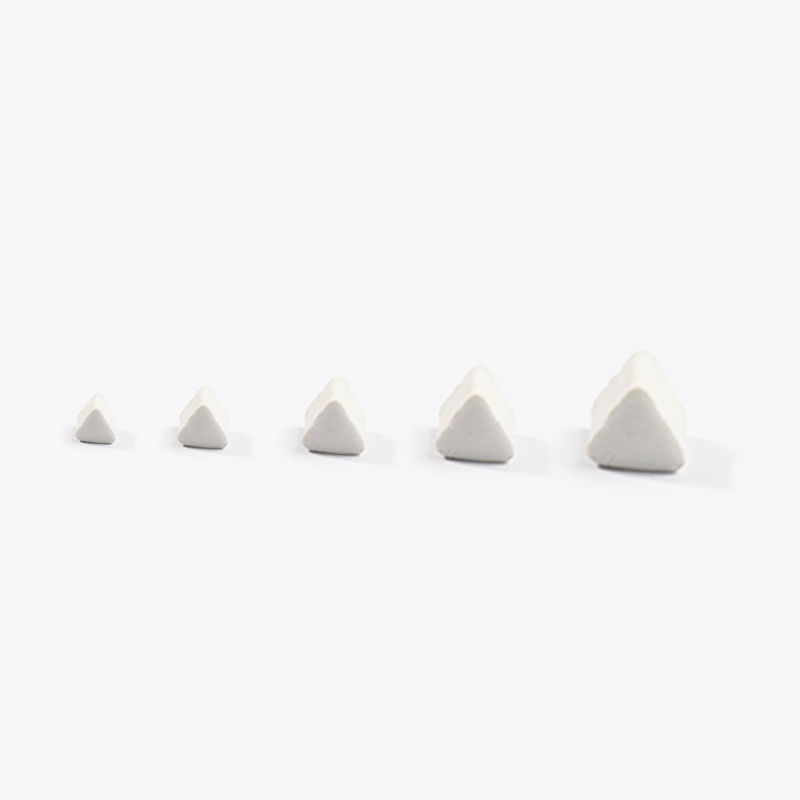

Can the part tolerate vibratory contact, and how will trapped media and particles be detected and removed?
Share the actual component drawing and cleanliness specification; ask first whether a vibratory route should be screened out before requesting equipment pricing.
A vibratory machine or ceramic medium does not demonstrate semiconductor-grade particle control. Treat burr treatment, trapped media, cleaning and downstream inspection as separate acceptance steps.
Send the part material, dimensions, starting condition, target result, quantity and photographs or a drawing. Identify protected features and an acceptance method. This link carries source reference GUIDE-1005; include it in your message if you also want a manual reference.
Open the SurfacePolish enquiry form Email this guide reference
SurfacePolish will confirm whether its equipment, media or sample-review route fits the supplied part. No fixed price or result is promised.
After a representative trial establishes usable loading and complete cycle time, use the capacity and media load calculator to estimate complete batches and shift output. It does not predict cleanliness, roughness or semiconductor process suitability.
Use this checklist to record your own part scope, protected features, inspection definitions and responsible acceptance owner. No values are prefilled. The record does not select a process, quote a capacity, submit an inquiry or approve a part.
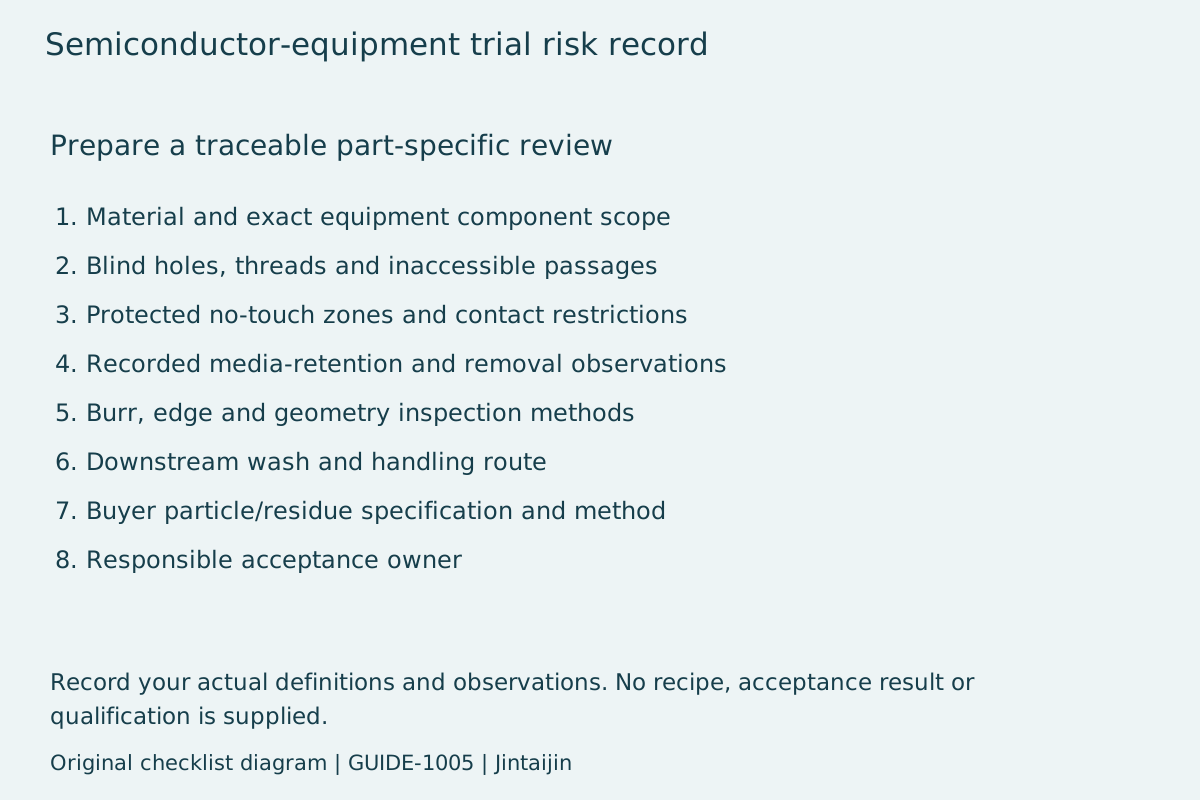
Blank fields remain unrecorded in the export. The record labels are taken from this guide; any limits, settings or results must come from your actual drawing, specification or trial. Confirm the next decision with the responsible owner.
Email : info@surface-polish.com


 IPv6 network supported


 +86-592-2381506