'Mirror finish' is a visual target that must be tied to a reference material, viewing condition and permitted residual defects. It should not be assumed to describe roughness, corrosion behavior, flatness or fitness for a sliding or sealing surface.
Define what 'mirror' means using an approved visual reference and viewing conditions. Keep cosmetic zones distinct from sealing, sliding or coated interfaces.
Send material grade, starting scratches or welds, accessible geometry and a target reference. Inspect reflection, remaining defects and material removal on the same part.
A representative part may reveal inaccessible corners, edge changes or different reflection across the geometry. Record both the visible result and any functional dimensions; do not infer a production result from an equipment photograph.
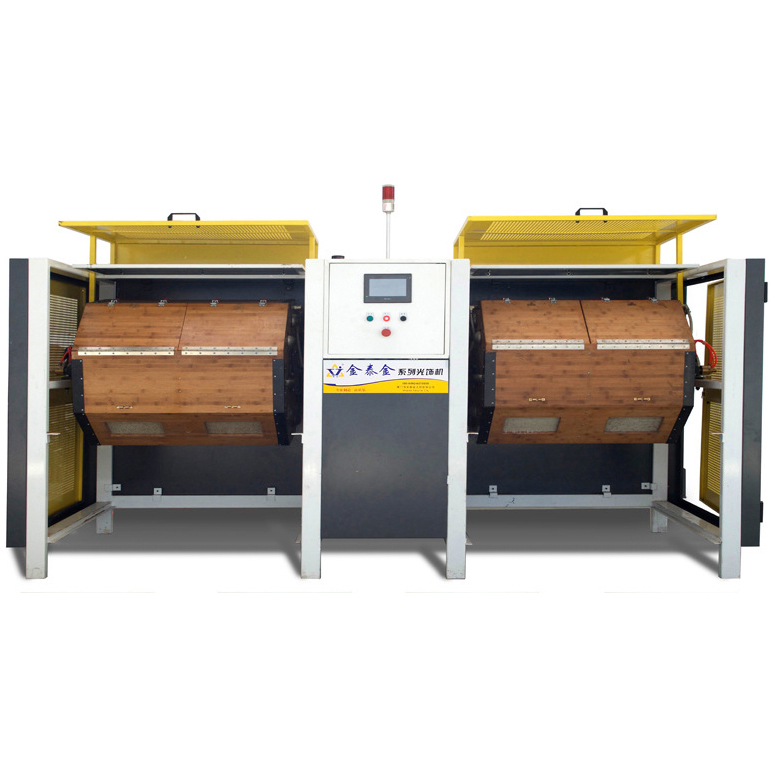
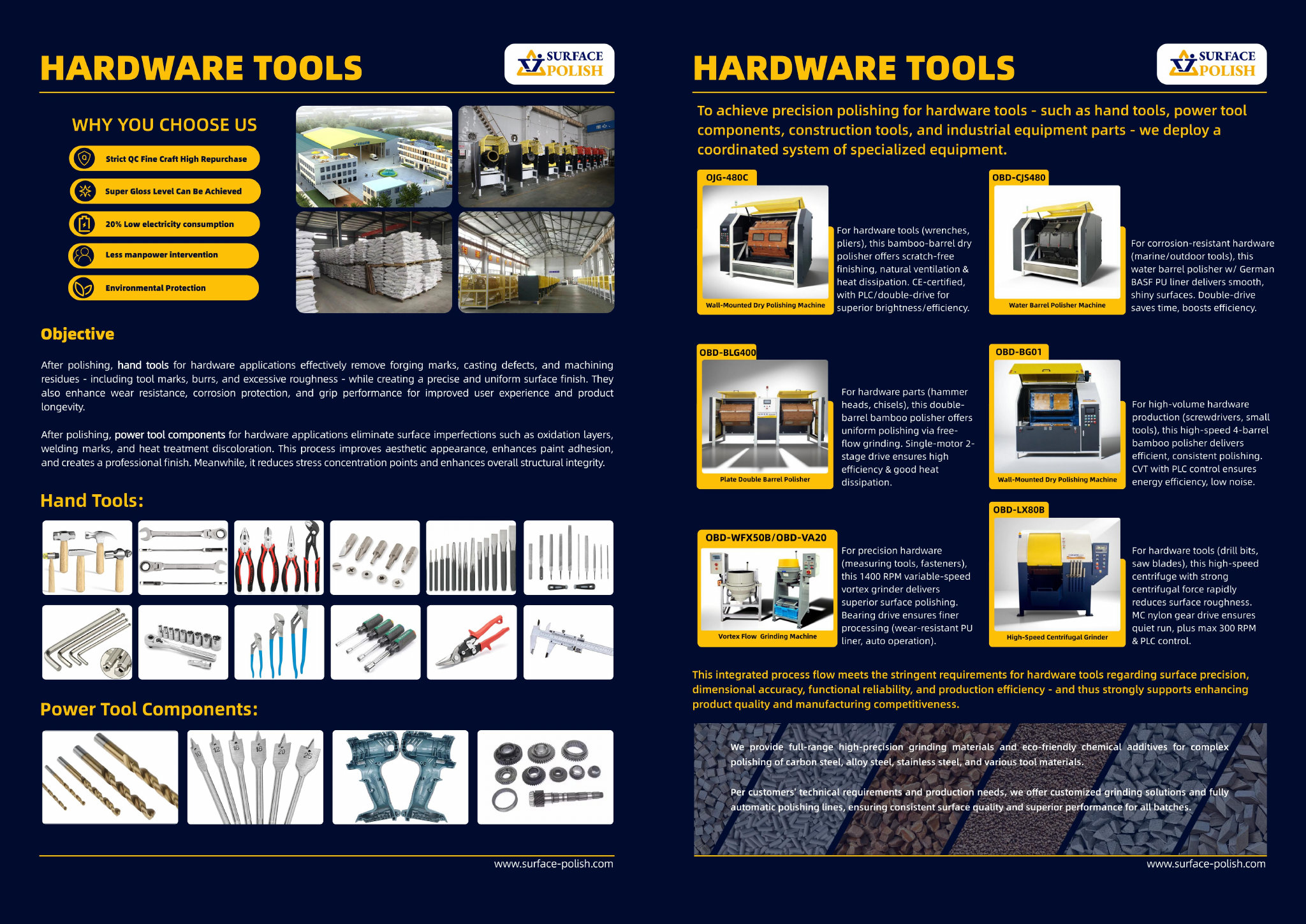
A product photograph cannot promise a mirror result across different alloys or geometries. Specify acceptable scratches and edge change before process selection.
Which faces are cosmetic, which are functional, and how will each be accepted?
Supply a reference image alongside the actual part photos, then request an appearance-focused sample discussion rather than an unconditional mirror-finish promise.
A visually bright archive sample does not prove a defined mirror finish on industrial machinery. Agree on viewing conditions, reference sample and any measurable texture or geometry limits before a process trial.
Send the part material, dimensions, starting condition, target result, quantity and photographs or a drawing. Identify protected features and an acceptance method. This link carries source reference GUIDE-1009; include it in your message if you also want a manual reference.
Open the SurfacePolish enquiry form Email this guide reference
SurfacePolish will confirm whether its equipment, media or sample-review route fits the supplied part. No fixed price or result is promised.
Use this checklist to record your own part scope, protected features, inspection definitions and responsible acceptance owner. No values are prefilled. The record does not select a process, quote a capacity, submit an inquiry or approve a part.
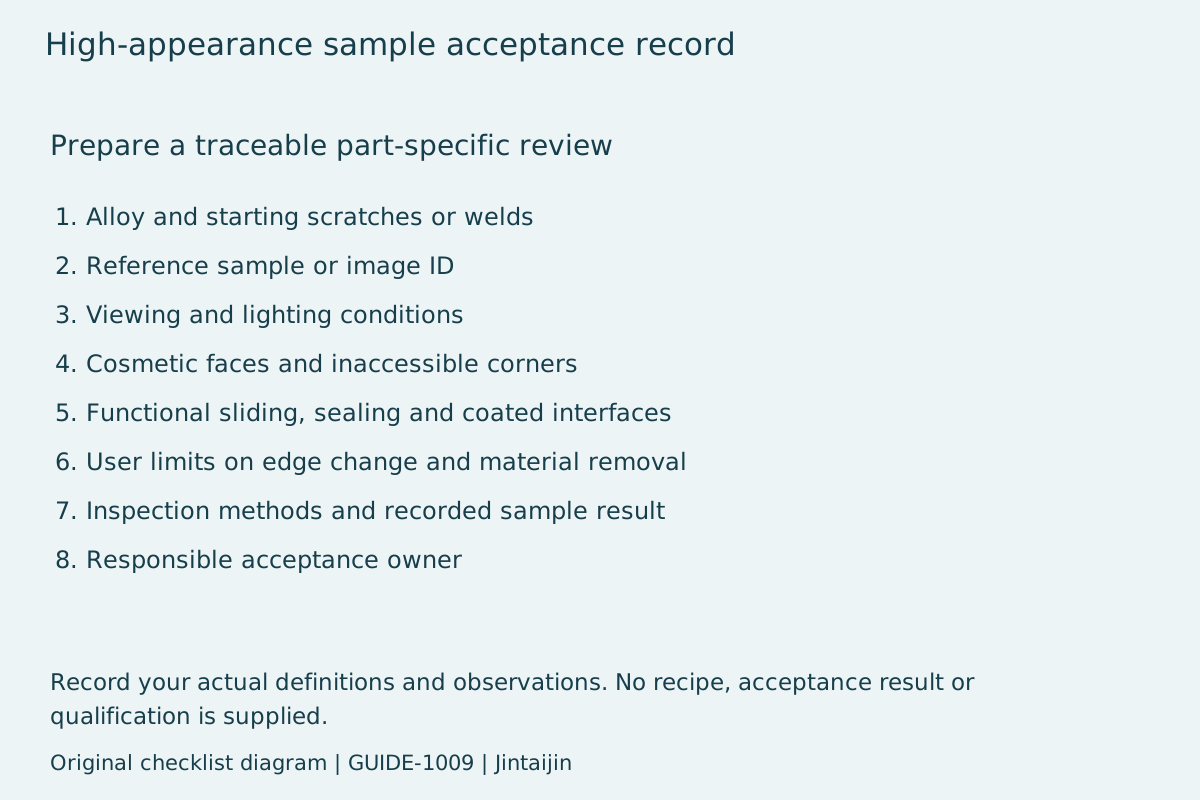
Blank fields remain unrecorded in the export. The record labels are taken from this guide; any limits, settings or results must come from your actual drawing, specification or trial. Confirm the next decision with the responsible owner.
Email : info@surface-polish.com


 IPv6 network supported


 +86-592-2381506